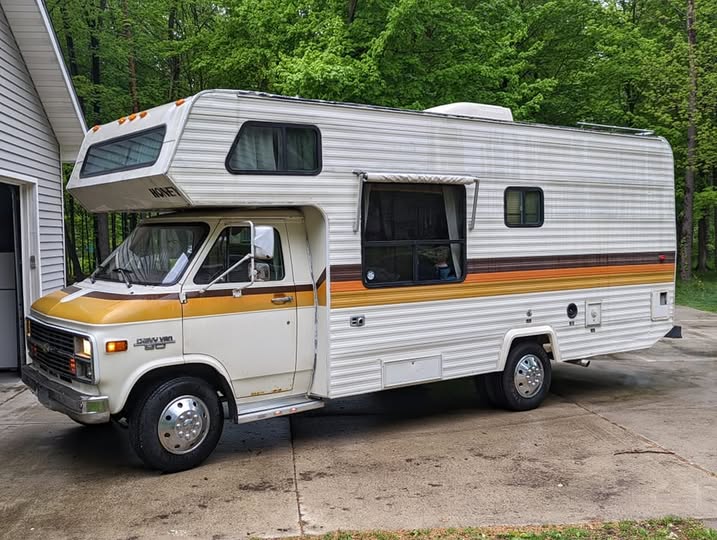
Phoenix is known for sunshine, road trips, outdoor recreation, and access to some of the most scenic destinations in the Southwest. Those lifestyle advantages do more than inspire weekend travel. They also help support a meaningful local RV economy. From vehicle sales and service jobs to campground spending, financing, insurance, parts, storage, and tourism, RV sales create activity across many connected industries. As more Arizona families, retirees, snowbirds, and outdoor enthusiasts invest in recreational vehicles, Phoenix continues to benefit from a market that supports both local businesses and regional travel. Phoenix RV dealerships play a central role in this activity by connecting buyers with new and used RVs, providing maintenance, supporting trade-ins, and helping customers prepare for trips throughout Arizona and beyond.
Why RV Sales Matter to the Phoenix Economy
RV sales are not isolated transactions. When someone buys an RV, that purchase often triggers a long chain of local spending. Buyers may finance the vehicle through a lender, purchase insurance, add accessories, schedule service, pay for storage, visit campgrounds, buy fuel, and spend money on food, equipment, and entertainment during trips. This makes the RV industry part of a broader economic ecosystem. In Phoenix, that ecosystem is especially important because outdoor travel is closely tied to the region’s identity. The city’s location makes it a launch point for trips to northern Arizona, southern Utah, New Mexico, California, Nevada, and Mexico. RV ownership supports both local mobility and regional tourism. A customer may buy an RV in Phoenix, service it locally, store it nearby, and use it to visit Arizona campgrounds throughout the year. Each step contributes to local or regional business activity.
Dealerships Support Local Employment
One of the clearest economic effects of RV sales is job creation. Dealerships need people to sell, service, finance, inspect, clean, transport, and manage inventory. These roles can include:
- Sales consultants
- Finance and insurance specialists
- Service technicians
- Parts department staff
- Warranty administrators
- Detailers
- Lot attendants
- Customer service representatives
- Marketing professionals
- Administrative and accounting staff
RV service jobs are especially important because RVs combine automotive, residential, electrical, plumbing, appliance, and climate control systems. Technicians must understand many different components, from slide-outs and generators to water heaters, air conditioners, awnings, and propane systems. As RV ownership grows, the need for trained service professionals also increases. This creates ongoing employment beyond the initial sale. A dealership that sells RVs also needs a reliable service department, parts supply, and customer support team to keep owners on the road.
Sales Generate Tax Revenue and Business Activity
RV purchases can be significant transactions, which means they can generate meaningful tax revenue and related business income. Sales taxes, registration fees, title fees, and licensing costs all contribute to public revenue streams. These funds can help support local and state services, infrastructure, and administrative operations. Beyond direct taxes and fees, RV sales also generate revenue for connected businesses. Lenders earn interest and fees on financed purchases. Insurance agencies write policies. Repair shops sell labor and parts. Storage facilities collect monthly payments. Fuel stations benefit from RV travel. Campgrounds, parks, and tourism businesses gain visitors. The economic impact expands outward from the dealership and continues through the full ownership experience.
The Used RV Market Keeps Money Moving Locally
The used RV market is an important part of the Phoenix economy because it gives buyers more affordable entry points into ownership and keeps inventory circulating. Not every customer wants or needs a brand-new RV. Many families, first-time buyers, and budget-conscious shoppers start with pre-owned models. Trade-ins also help dealerships serve a wider range of customers. When a buyer trades in an RV, the dealership may inspect it, repair it, detail it, market it, and resell it. Each step creates work for local employees and vendors. Used RV sales can also make ownership more accessible, which may lead to additional spending on accessories, upgrades, storage, maintenance, and travel. A strong used market helps sustain economic activity even when new vehicle prices or interest rates make shoppers more cautious.
RV Service and Maintenance Create Ongoing Revenue
Unlike some purchases that end at the point of sale, RV ownership creates recurring service needs. Owners may return for seasonal maintenance, tire inspections, roof checks, appliance repairs, battery replacements, air conditioning service, plumbing repairs, generator work, and warranty claims. In Phoenix, heat and sun exposure can make maintenance especially important. Roof seals, tires, batteries, cooling systems, and exterior materials may require regular attention. This ongoing service demand supports dealership service departments, mobile RV technicians, parts suppliers, and specialty repair businesses. It also creates opportunities for customers to invest in upgrades such as:
- Solar panels
- Lithium batteries
- Improved air conditioning
- Backup cameras
- Towing equipment
- Outdoor kitchens
- Satellite or internet systems
- Suspension enhancements
- Storage solutions
These upgrades add value for owners while generating revenue for local businesses.
RV Sales Strengthen Tourism and Travel Spending
Phoenix is both a destination and a departure point. Snowbirds arrive for the winter, families use the city as a home base, and travelers pass through on their way to other Southwest destinations. RV sales support this movement by putting more travelers on the road. RV owners often spend money at campgrounds, state parks, national parks, restaurants, grocery stores, sporting goods stores, fuel stations, repair shops, and local attractions. Even when RV owners leave Phoenix for a trip, they may begin their spending locally by stocking up on supplies, filling fuel tanks, and servicing their vehicle before departure. When out-of-town RV travelers visit Phoenix, they contribute to the local economy through campground stays, dining, shopping, entertainment, and vehicle services. This two-way travel flow strengthens the area’s tourism economy.
Campgrounds and RV Parks Benefit from Ownership Growth
As RV sales grow, demand for places to stay also grows. Phoenix and the surrounding region have RV parks, resort communities, seasonal sites, and campgrounds that serve both local owners and visiting travelers. These businesses benefit when more people own RVs and travel frequently. RV parks often support additional employment in management, maintenance, landscaping, hospitality, security, and guest services. Many also partner with nearby businesses or encourage guests to spend locally. Snowbird season can be especially important. Winter visitors may stay for weeks or months, bringing consistent spending to grocery stores, restaurants, medical offices, entertainment venues, golf courses, and service providers. RV ownership helps support this seasonal economic pattern.
Phoenix’s Climate Creates a Year-Round RV Market
Phoenix has a unique advantage in the RV industry because travel patterns can extend across much of the year. While summer heat may reduce local desert camping, many owners simply shift to cooler destinations such as Flagstaff, Payson, Prescott, Show Low, or the White Mountains. Winter, spring, and fall are ideal for desert travel, lake trips, and regional camping. This flexible travel calendar helps sustain demand for RVs, service, and accessories. Dealerships may see different types of shoppers throughout the year, including families preparing for summer road trips, retirees planning seasonal travel, and visitors interested in long-term RV living. The year-round nature of Arizona travel helps stabilize the local RV economy compared with markets that are more limited by long winters.
Financing and Insurance Expand the Economic Reach
Most large RV purchases involve financing or insurance, which brings financial service providers into the economic picture. RV loans, extended service contracts, insurance policies, roadside assistance plans, and protection products can all be part of the ownership process. These services create revenue for lenders, insurers, agencies, and dealership finance departments. Financing also makes RV ownership possible for more buyers by spreading payments over time. When more households can access RV ownership, the related spending ecosystem grows. Insurance is equally important because RVs represent a major investment and often include personal belongings, travel equipment, and living systems. The need for specialized coverage creates another local business opportunity.
RV Storage Is a Growing Support Industry
Many Phoenix area homeowners cannot or do not want to store an RV at home. Homeowners associations, space limitations, security concerns, and vehicle size can make off-site storage necessary. As a result, RV sales often support demand for storage facilities. These facilities may offer covered parking, uncovered spaces, climate-controlled options, security cameras, gated access, wash stations, dump stations, battery charging, and valet services. Storage businesses benefit from monthly recurring revenue and may employ staff for operations, maintenance, and customer service. In a sunny climate like Phoenix, covered RV storage can be especially attractive because it helps protect vehicles from heat and UV exposure.
Local Vendors and Suppliers Benefit Too
The RV economy reaches beyond dealerships and campgrounds. Many local vendors support the industry with products and services. These can include:
- Sign companies
- Digital marketing agencies
- Cleaning and detailing businesses
- Upholstery repair shops
- Tire suppliers
- Battery retailers
- Propane providers
- Towing equipment installers
- Glass repair companies
- Mobile mechanics
- Transportation and logistics providers
- Local media and advertising outlets
When RV sales are strong, these support businesses often benefit. Dealerships may rely on outside vendors for reconditioning, marketing, facility services, parts delivery, and specialty repairs. Owners also spend directly with local businesses as they customize and maintain their RVs.
The Broader Community Impact
RV sales contribute to the Phoenix economy in both direct and indirect ways. Direct impacts include dealership sales, jobs, taxes, service revenue, and parts sales. Indirect impacts include tourism spending, campground use, fuel purchases, retail sales, and support for local vendors. There are also lifestyle benefits that can influence the local economy. Families who own RVs may travel more within Arizona, support rural communities, and spend weekends exploring state parks, lakes, and mountain towns. Retirees and snowbirds may choose Phoenix because the region supports RV living and seasonal travel. This helps connect the urban economy of Phoenix with outdoor recreation economies across the state.
Challenges That Shape the RV Market
The economic impact of RV sales is strong, but the market can also face challenges. Interest rates, fuel prices, inventory availability, consumer confidence, insurance costs, and maintenance expenses can affect buying decisions. Extreme summer heat may influence how and when people use their RVs. Storage availability and homeowners’ association rules can also shape ownership. For dealerships and related businesses, adapting to these factors is important. Flexible financing, strong service departments, transparent pricing, and helpful education can make buyers feel more confident. Businesses that support RV owners after the sale are often better positioned for long-term success.
Why Phoenix Remains a Strong RV Hub
Phoenix remains a strong RV market because it combines population growth, tourism, outdoor recreation, seasonal visitors, and access to regional destinations. The city is large enough to support a wide range of dealerships and services, yet close enough to nature to make RV ownership feel practical. Residents can use RVs for family vacations, weekend camping, retirement travel, remote work adventures, and seasonal escapes. Visitors can use Phoenix as a base for exploring the Southwest. This mix keeps RV sales connected to the area’s lifestyle and economy. As long as people value flexible travel and outdoor experiences, RV sales will continue to play an important role in Phoenix’s local business landscape.
FAQ
How do RV sales affect the Phoenix economy?
RV sales support jobs, tax revenue, dealership income, service work, financing, insurance, storage, tourism, and spending at local businesses.
Why are Phoenix RV dealerships important to the local market?
Phoenix RV dealerships help buyers compare models, purchase new or used RVs, arrange financing, trade in vehicles, schedule service, and access parts or accessories.
Do RV owners support businesses after the purchase?
Yes. RV owners often spend money on maintenance, storage, fuel, campground stays, upgrades, insurance, supplies, and travel-related services.
How does tourism connect to RV sales?
RV owners travel to campgrounds, parks, attractions, restaurants, and retail stores. Visiting RV travelers also spend money in Phoenix when they stay, shop, dine, or service their vehicles.
What industries benefit from RV ownership?
Industries that benefit include dealerships, repair shops, lenders, insurers, campgrounds, storage facilities, fuel stations, parts suppliers, tourism businesses, and local vendors.
Is the used RV market important in Phoenix?
Yes. Used RV sales make ownership more accessible, support trade-in activity, and create additional work for inspection, repair, detailing, marketing, and resale.
What challenges affect RV sales in Phoenix?
Interest rates, fuel costs, insurance prices, storage availability, consumer confidence, and maintenance expenses can all influence RV buying decisions.