Many startup ideas begin with a founder noticing a problem that people outside an industry rarely see.
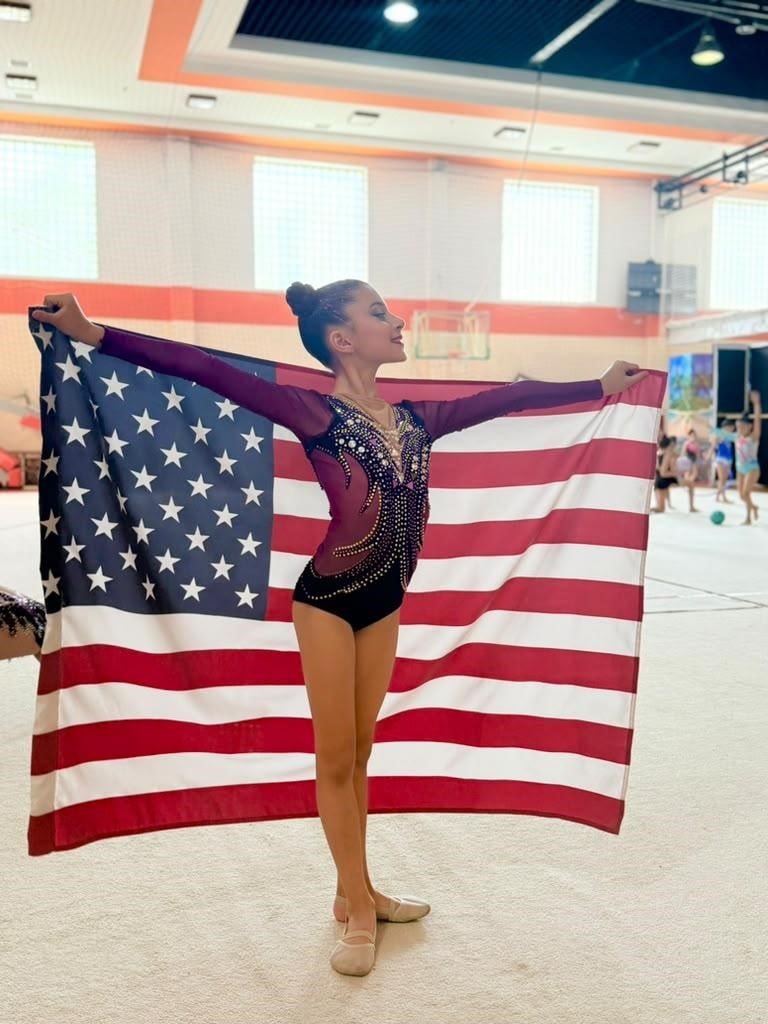
For nine-year-old competitive gymnast Yasmin Yusifli, that problem is how rhythmic gymnastics routines are created, adjusted, and evaluated.
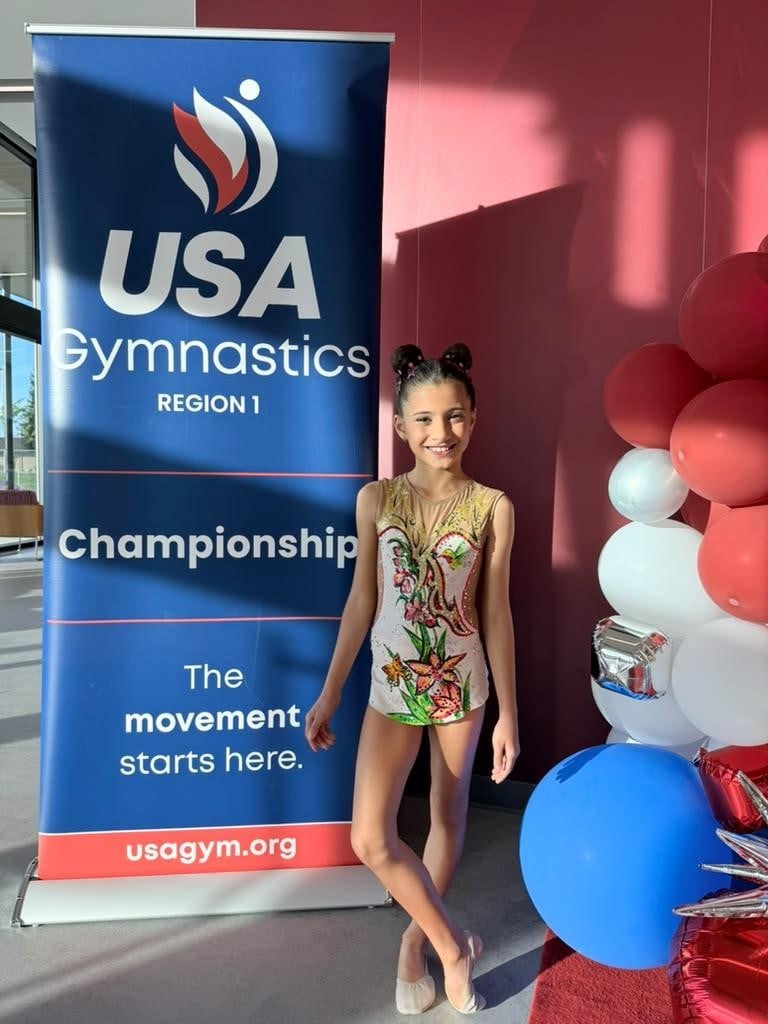
Yusifli, a USA Gymnastics member who has consistently placed among the leading competitors at events in California, is working on an AI-powered platform designed to help rhythmic gymnastics coaches develop more personalized routines and analyze performances more efficiently.
The product is still at an early stage, with an initial minimum viable product planned for pilot testing by the end of 2026. But the concept follows a familiar startup pattern: a user experiences a complex, time-consuming workflow firsthand and begins exploring how technology could improve it.
In rhythmic gymnastics, building a competitive routine involves much more than combining technically difficult elements.
Coaches must consider an athlete’s flexibility, balance, coordination, apparatus-handling skills, confidence, musicality, personality and stage presence. They must also ensure that each routine aligns with current competition rules, difficulty requirements and scoring standards.
The process often depends heavily on coaching experience and requires repeated manual review, adjustment and testing.
Yusifli’s proposed platform would function as an AI assistant for coaches, helping them organize athlete-specific information, explore routine structures and identify combinations that may be better suited to an individual gymnast.
A gymnast whose primary strength is flexibility may require a different composition from one who excels in balance, speed, expression or apparatus control. Personality may also influence whether a routine should feel dramatic, elegant, playful or highly technical.
The objective is not to generate identical, machine-produced performances. Instead, the platform would help coaches evaluate more options while keeping the athlete’s abilities and individuality at the center of the routine-design process.
Solving the Rules Problem
One of the platform’s core functions would be helping coaches respond to changes in gymnastics regulations and scoring frameworks.
As rules evolve, routines often need to be reviewed and redesigned. Difficulty structures, execution requirements, apparatus criteria and potential penalties can all affect how a performance is constructed.
For coaches managing multiple athletes, staying current with those changes and manually reviewing every routine can require considerable time.
The proposed system would incorporate updated rules, identify possible compliance issues and flag elements or combinations that may create scoring risks.
It could also support preliminary performance analysis, giving coaches an additional tool for identifying weaknesses before competition.
The technology would not produce an official score or replace the judgment of coaches and judges. Rhythmic gymnastics includes technical, artistic and interpretive dimensions that cannot be reduced entirely to automated analysis.
A more realistic role for the platform is as a decision-support system: part routine-planning assistant, part rules and compliance checker, and part early performance-analysis tool.
Keeping the Coach in Control
The project is designed around a human-in-the-loop model.
Coaches would remain responsible for choreography, artistic direction, athlete development and final decisions. The software would support the more analytical parts of the workflow, including organizing athlete data, reviewing technical requirements and identifying potential issues.
The project’s largest challenge may not be building the AI itself, but translating specialized coaching knowledge into a system that professionals trust.
That process will require input from rhythmic gymnastics coaches, judges and technical experts. It will also require the team to distinguish clearly between elements that can be assessed through structured rules and those that depend on experience, creativity and human interpretation.
The platform is therefore being positioned as a tool that strengthens coaching expertise rather than replacing it.
By reducing repetitive analytical work, the system could allow coaches to spend more time mentoring athletes, refining technique and improving the quality of the overall performance.
An Athlete as the First User
Yusifli’s advantage is that she is approaching the problem from inside the sport.
She experiences routine preparation as an athlete and sees how frequently coaches adjust choreography, difficulty and apparatus work to fit both the gymnast and the rules.
That firsthand exposure gives the project a level of user insight that many early-stage founders attempt to develop through months of customer interviews.
Yusifli is simultaneously the problem observer, an intended user and the young founder shaping the original product vision.
“I want to use what I am learning in school and gymnastics to build something that can genuinely help coaches and athletes,” Yusifli said.
The project will require support from adult technical specialists, coaches and industry advisers as it moves from concept to product. Yusifli is expected to remain involved in defining the problem, evaluating proposed features and representing the athlete’s perspective throughout development.
Starting With Azerbaijan
Rather than attempting to launch across the entire international gymnastics market, the team plans to begin with a focused pilot involving a small group of coaches and a structured gymnastics ecosystem.
Azerbaijan has been selected as the initial market because Yusifli was born there and sees contributing to her country of origin as an important part of the project’s mission, while Baku’s role as a host of major international rhythmic gymnastics events and Azerbaijan’s position within the European gymnastics ecosystem could provide a strategic pathway toward broader European market entry.
The team intends to explore potential pilot opportunities with coaches and organizations connected to the country’s gymnastics community.
Starting with a focused market could allow the startup to collect detailed feedback, refine its recommendation logic and determine which parts of the coaching workflow provide the strongest opportunity for automation.
The pilot would also help answer an important product question: how willing are coaches to integrate AI into a sport where creativity, intuition and personal relationships remain central?
Coaches may ultimately find the greatest value in a rules-checking feature. Others may prefer athlete-specific routine planning, performance analysis or video-based feedback.
The purpose of the MVP is to test those assumptions in a real training environment.
The early objective is not to prove that AI can replace existing gymnastics expertise. It is to discover where the technology can provide coaches with the most useful and reliable support.
A Niche Entry Point Into Sports AI
AI is already being used across professional sports for performance tracking, injury prevention, scouting, training analysis and video review.
Rhythmic gymnastics, however, remains a specialized field with relatively limited purpose-built technology.
That creates both an opportunity and a constraint.
A niche market can be easier to understand and serve, particularly when the founder is already part of the user community. At the same time, building a scalable business may eventually require expansion into adjacent disciplines.
The platform could potentially be adapted in the future for artistic gymnastics, figure skating, dance or other judged sports where performance design combines technical requirements with artistic interpretation.
For now, the project is focused on one clearly defined user: the rhythmic gymnastics coach.
Building a credible product will require a reliable rules engine, structured athlete data, coach validation, technical expertise, video-analysis capabilities and extensive real-world testing.
Still, the project begins with a clear founder insight.
Routine creation is complex. Rules change. Coaches spend significant time reviewing combinations and correcting potential problems. Every athlete is different.
Yusifli believes AI can help bring those variables together.
At nine years old, she may be younger than the average startup founder. But the question behind the project is the same one that drives many technology companies:
Can software turn a complicated expert workflow into a better decision-making tool?