Television has spent most of its history under the control of broadcasters. Networks decided what aired, when it aired, and viewers arranged their evenings around that fixed schedule. That relationship has quietly reversed. Today, viewers expect to be the ones in control, choosing what to watch, when to watch it, and how it’s presented to them and many are comparing IPTV pricing as part of that decision.
IPTV, or Internet Protocol Television, sits right at the center of this transition. By delivering content over the internet rather than through traditional broadcast infrastructure, it opens the door to a far more flexible and individualized viewing experience than cable or satellite ever could.
Personalization matters because entertainment is no longer a one-size-fits-all experience. Different households, and even different members of the same household, want different content, delivered in different ways, on different devices. This article explores what personalized television actually means, how IPTV enables it, and where this trend might be headed next.
What Is Personalized Television?
To understand where television is going, it helps to look at where it started.
Traditional scheduled programming offered the same lineup to every viewer at the same time, regardless of individual preference. Personalization simply wasn’t part of the design.
On-demand viewing changed that by letting viewers select content from a library rather than accepting whatever happened to be airing. This was the first real step toward a more personal viewing experience.
From there, platforms began incorporating user preferences, tracking what viewers watched and how they interacted with content to better understand individual taste.
That data now powers personalized recommendations of the suggested shows, curated rows, and tailored home screens that have become a standard feature of modern streaming and IPTV platforms.
How IPTV Enables a More Flexible Viewing Experience
IPTV’s flexibility comes directly from how it delivers content.
Because it relies on internet-based delivery, IPTV isn’t bound by the physical infrastructure limitations of cable or satellite, allowing for more dynamic and adaptable content delivery.
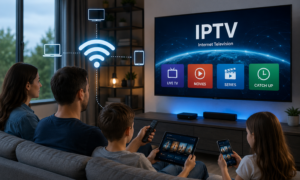
It typically supports live television, giving viewers real-time access to news, sports, and events, just as they would expect from a traditional broadcast service.
Alongside live content, IPTV offers video on demand, letting viewers pull up movies and shows from an extensive library whenever they choose.
Many services also include catch-up programming, allowing viewers to watch a live broadcast after it originally aired if they missed it the first time.
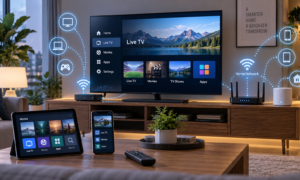
All of this is tied together by multi-device access, which lets viewers move seamlessly between their television, phone, tablet, or computer without losing their place or preferences.
A well-designed IPTV platform brings all of these pieces together in one place, and most providers offer a monthly IPTV plan so viewers can experience the flexibility firsthand before choosing a longer-term package.
From “What’s On?” to “What Do I Want to Watch?”
This shift represents a fundamental change in how people think about watching television.
Traditional TV schedules trained viewers to ask “what’s on right now?” a question limited entirely by whatever a broadcaster chose to air at that moment.
Search-based discovery flips that question around. Instead of scanning a channel guide, viewers can simply search for a title, actor, or genre and get an immediate result.
This is only possible because of on-demand libraries, which store vast amounts of content ready to be accessed instantly rather than at a scheduled broadcast time.
The end result is a move toward genuinely personalized content choices, where the viewing experience is shaped by individual interest rather than a broadcaster’s programming decisions.
The Role of Recommendations and Viewing Preferences
Recommendations are one of the most visible signs of personalization in modern television platforms.
Recommendation systems analyze viewing patterns to suggest content a viewer is likely to enjoy, often surfacing shows or movies they might never have found on their own.
These systems typically rely on watch history, using what a viewer has already watched as a foundation for predicting future interest.
They also take into account favorite genres, helping tailor suggestions toward the types of content a viewer consistently gravitates toward.
The overall goal is more effective personalized content discovery reducing the time spent searching and increasing the time spent actually watching something enjoyable.
Still, it’s worth acknowledging the potential benefits and limitations of this approach. Good recommendations can genuinely improve the viewing experience, but overly narrow suggestions can also limit exposure to new or different types of content.
IPTV and Multi-Device Television
Personalized television isn’t confined to a single screen, and IPTV is built with that in mind.
Smart TVs remain the primary viewing device for most households, often serving as the main hub for IPTV apps and content libraries.
Phones allow viewers to keep watching while away from home, making television a genuinely portable experience rather than one tied to a living room.
Tablets offer a comfortable middle ground for viewing in bed, in another room, or while traveling.
Computers provide another flexible access point, particularly useful for viewers who prefer larger screens without needing a dedicated television.
Streaming devices extend these same capabilities to televisions that don’t have built-in smart features, keeping the experience consistent across a household’s various screens.
A key advantage of this setup is continuing a program across devices starting a show on a television and picking up exactly where you left off on a phone or tablet later on.
Personalized Live TV
Personalization isn’t limited to on-demand content; it extends to live viewing as well.
Many IPTV platforms allow custom channel selections, letting viewers build a lineup based on what they actually want rather than accepting a fixed bundle.
This makes it easier to prioritize favorite channels, keeping frequently watched networks front and center instead of buried in a long, generic guide.
Regional programming can also be part of this personalization, giving viewers access to local content relevant to where they live or where they’re originally from.
For many, access to live events sports, award shows, breaking news remains one of the most valued parts of a television service, and IPTV delivers this alongside its on-demand offerings.
Over time, platforms increasingly adapt to individual personalized viewing habits, shaping the interface and content suggestions around how a specific household actually uses the service.
IPTV and International Content
One of IPTV’s most distinctive strengths is its ability to break past the geographic limitations of traditional broadcast television.
Access to international channels allows viewers to watch programming from countries and regions well beyond what a local cable provider could ever offer.
This often includes multilingual programming, an important feature for households that speak more than one language or want to stay connected to content from their country of origin.
Regional entertainment local news, cultural programming, and region-specific shows becomes far more accessible through IPTV than it typically would be through cable.
Altogether, this makes IPTV particularly valuable for global audiences, including immigrant communities and multicultural households who want a genuinely personalized mix of local and international content.
How AI Could Shape Personalized Television
Artificial intelligence is already influencing television personalization, and its role is likely to keep expanding.
Content recommendations are the most established use case, with AI models analyzing viewing behavior to predict what a viewer is likely to want next.
Voice-based discovery is becoming more common, allowing viewers to simply ask for a show, genre, or actor rather than typing or scrolling through menus.
Automated playlists may become more prevalent, curating a sequence of content based on mood, time of day, or past viewing patterns without requiring manual selection.
AI could also enable smarter search, understanding natural language queries and context rather than relying solely on exact title matches.
Ultimately, these capabilities point toward personalized interfaces, home screens and navigation menus that look different for every viewer, based on their individual habits and preferences.
Privacy and Personalization
Personalization depends on data, and that comes with real considerations for viewers.
Viewing data what’s watched, how often, and for how long is typically collected to power recommendations and personalized features.
This is often tied to account information, which platforms use to distinguish between different users and tailor the experience accordingly.
Recommendation systems rely on this combined data to function effectively, which is part of why personalization and data collection tend to go hand in hand.
Because of this, it’s worth understanding why users should understand privacy policies knowing what data is collected, how it’s used, and what control viewers have over it is an important part of using any personalized platform responsibly.
What Could Personalized Television Look Like in the Future?
The trajectory of personalized television suggests several directions worth watching.
More adaptive interfaces could adjust in real time based on who’s watching, what device they’re using, or even the time of day.
Interactive programming may become more common, allowing viewers to influence storylines, camera angles, or content format rather than simply watching passively.
Smarter recommendations will likely continue to improve, becoming more accurate and better able to balance familiar favorites with genuine discovery.
Cross-device experiences are likely to become even more seamless, with viewing history, preferences, and progress following a viewer effortlessly across every screen they use.
Above all, the overarching trend points toward greater viewer control an ongoing shift of decision-making power away from broadcasters and platforms, and further into the hands of the people actually watching.
FAQs
What does personalized television mean? Personalized television refers to a viewing experience tailored to individual preferences, including customized recommendations, content libraries, and interfaces based on personal viewing habits.
Does IPTV provide personalized content? Many IPTV services incorporate personalized features such as custom channel lists, viewing history, and recommendation systems, though the exact level of personalization varies by provider.
How do streaming platforms recommend programs? Most platforms use recommendation systems that analyze factors like watch history, genre preferences, and overall viewing behavior to suggest relevant content.
Will AI change television? AI is already shaping television through recommendation engines and voice search, and its role is expected to grow further in areas like personalized interfaces and smarter content discovery.
Conclusion
Television has moved a long way from fixed schedules and one-size-fits-all programming, and that shift shows no sign of slowing down. IPTV represents a meaningful piece of this broader movement, combining live TV, on-demand libraries, and multi-device access into a single, flexible experience. As personalization technology continues to advance, viewers can expect television to keep adapting to them, rather than the other way around.