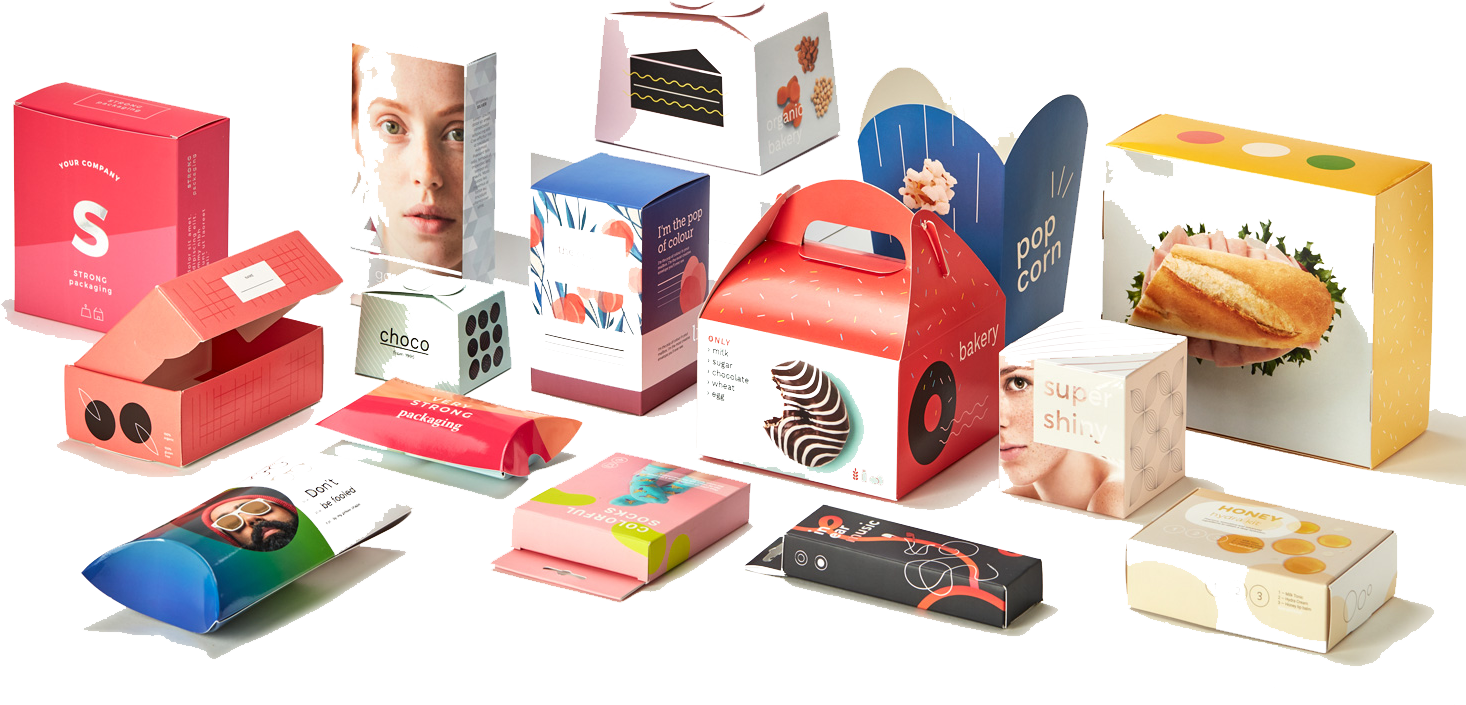
The direct-to-consumer (DTC) market has grown rapidly over the past several years, with global DTC e-commerce sales projected to surpass $200 billion by 2026. As more independent brands bypass traditional retail channels and sell directly to customers online, the demand for custom packaging that reflects brand identity has increased significantly. Yet for many small and mid-sized brands, accessing high-quality custom packaging has historically been a slow, expensive, and opaque process.
That dynamic is beginning to change. A new generation of packaging suppliers is leveraging technology to streamline the procurement experience, reduce minimum order quantities, and bring transparency to pricing. Among them is Dylign, a packaging company focused on helping growing brands access sustainable custom packaging without the traditional barriers of high minimums and lengthy quote cycles.
The Legacy Packaging Problem
For decades, custom packaging procurement followed a predictable pattern. Brands would contact a manufacturer, submit design specifications, wait days or weeks for a quote, and then commit to order quantities often starting at 5,000 or even 10,000 units. For early-stage brands testing new product lines or entering new markets, these minimums represented a significant financial risk.
The process was also deeply manual. Communication happened over email chains and phone calls, pricing was inconsistent across suppliers, and there was little visibility into production timelines or cost breakdowns. A brand launching a new skincare line or artisanal food product might spend weeks just getting comparable quotes from three different manufacturers before making a decision.
This created a structural gap in the market. While large consumer brands could negotiate favorable terms with established manufacturers through volume commitments and long-term contracts, smaller brands were left choosing between generic stock packaging or overcommitting capital to custom orders they could not yet justify.
Digital Tools Closing the Gap
Technology is now addressing these inefficiencies at multiple points in the packaging supply chain. Instant quoting systems allow brands to configure packaging specifications and receive pricing in seconds rather than days. Digital proof workflows enable faster design approval cycles, replacing the slow back-and-forth of physical samples. And automated production management systems help manufacturers maintain quality consistency even at lower volumes, where manual oversight previously made small runs uneconomical.
Dylign has built its operations around these principles. The company offers minimum order quantities starting at just 100 units, allowing brands to test packaging concepts with a real product run before committing to larger orders. Its instant quoting tool provides transparent pricing without the email exchanges that have long characterized the industry. Customers can upload artwork directly through the platform, receive digital proofs within 48 hours, and track their orders through a streamlined process from concept to delivery.
The result is a procurement cycle that more closely resembles the speed and transparency brands are accustomed to when purchasing digital services. What once took weeks of negotiation can now be completed in a matter of days.
Sustainability as a Technical Requirement
Beyond speed and cost, sustainability has emerged as a core technical consideration in packaging design. Consumers increasingly expect brands to minimize environmental impact, and regulatory pressure around packaging waste continues to grow across major markets including the European Union, the United Kingdom, and parts of North America. Meeting these expectations requires not just material substitution but a fundamental rethinking of how packaging is engineered, sourced, and produced.
Dylign addresses this by offering recyclable and compostable material options across most of its product categories. The company’s approach treats sustainability not as a premium add-on but as a default specification, integrating eco-friendly materials into its standard production workflows rather than charging extra for greener alternatives. This aligns with broader industry trends where sustainable packaging is projected to reach a market value of $475 billion by 2028, according to research from Smithers.
For growing brands, the ability to offer sustainable packaging from day one is increasingly a competitive requirement rather than a nice-to-have. Retailers evaluating new brands for shelf placement now routinely ask about packaging materials and recyclability, making sustainability a practical business consideration alongside cost and aesthetics.
Enabling the Next Generation of Consumer Brands
The convergence of low minimum orders, digital-first procurement tools, and built-in sustainability options reflects a broader shift in how physical product infrastructure is being modernized by technology. Just as cloud computing lowered the barrier to launching software companies, and platforms like Shopify reduced the complexity of setting up online stores, digital packaging platforms are reducing the capital and complexity required to bring physical products to market with professional-grade presentation.
For brands moving from kitchen-table prototypes to retail shelves, the ability to order 100 custom units with transparent pricing, fast turnaround, and sustainable materials represents a meaningful reduction in go-to-market risk. It allows founders to validate product-market fit with real packaging before scaling production, rather than gambling on large orders based on assumptions.
Companies like Dylign are positioned at this intersection of technology and physical commerce, applying digital efficiency to an industry that has traditionally operated on manual processes and high minimums. By removing friction from the packaging procurement process, these platforms are making it possible for more brands to compete on presentation and sustainability from their earliest stages.
As the DTC landscape continues to expand and consumer expectations around brand experience and environmental responsibility intensify, the role of technology-enabled packaging partners is likely to grow. The companies that succeed in this space will be those that combine deep manufacturing expertise with the kind of seamless, digital-first experience that modern brands have come to expect from every part of their supply chain.