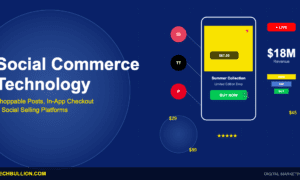
The convergence of social media and e-commerce has fundamentally transformed how brands sell directly to consumers. The social commerce market has reached a valuation of $18 billion in 2025, with a remarkable 73% of Gen Z consumers making purchases directly through social platforms. This shift represents far more than a fleeting trend; it reflects a permanent restructuring of the digital retail landscape where entertainment, community engagement, and purchasing seamlessly integrate into single platforms.
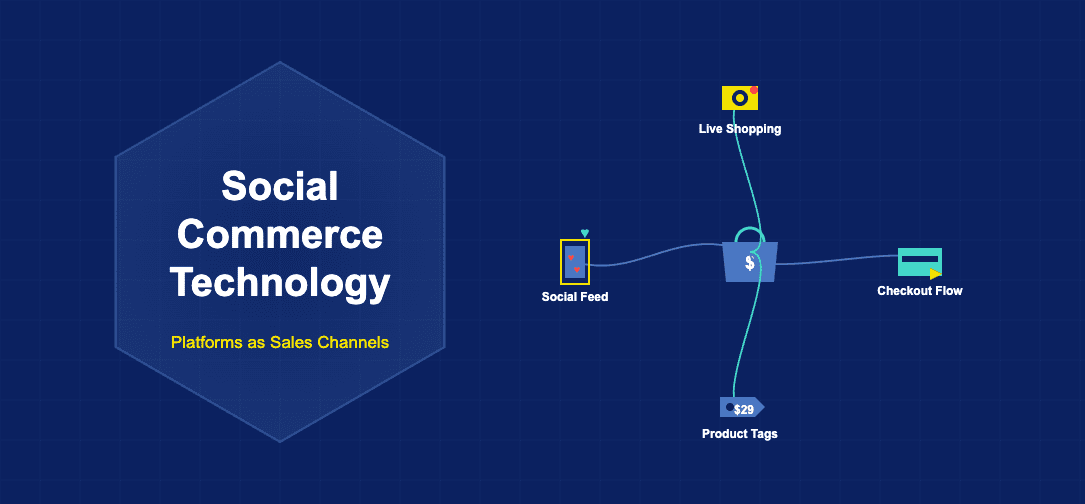
Social commerce technology has evolved from simple product tags to sophisticated ecosystems that enable full transaction lifecycles without users leaving their preferred social apps. The technology stack supporting this transformation encompasses everything from shoppable video infrastructure to artificial intelligence driven product recommendations, inventory management systems integrated directly with social platforms, and advanced analytics that track consumer behaviour across multiple touchpoints.
Understanding the Social Commerce Ecosystem
Social commerce differs fundamentally from traditional e-commerce because it leverages the inherent social nature of these platforms. Instagram Shopping, TikTok Shop, Pinterest Shopping, and Facebook Shops represent the primary vehicles through which major platforms have monetised user engagement. Each platform has developed unique approaches to enable direct purchasing, reflecting their distinct user behaviours and content consumption patterns.
Instagram Shopping integrates product catalogues directly into the platform, allowing brands to tag products in feed posts, Stories, and Reels. When users interact with these tags, they can view product details and complete transactions without leaving Instagram. TikTok Shop takes this a step further by combining short-form video content with commerce, enabling creators to showcase products through authentic, entertaining demonstrations. This native integration of commerce into content creation has proven particularly effective for younger demographics who view traditional advertising with scepticism.
Pinterest Shopping operates as a visual discovery engine where products appear in search results and recommendations, driving highly intentional traffic to retailer websites. Facebook Shops, meanwhile, enable businesses to create dedicated storefronts within Facebook and Instagram, providing comprehensive shopping experiences across Meta’s advertising ecosystem. The effectiveness of each platform varies significantly based on product categories, audience demographics, and brand positioning.
Shoppable Video and Live Commerce Technologies
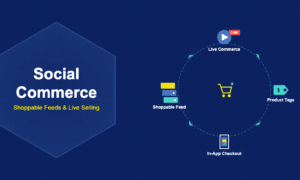
The emergence of shoppable video represents one of the most significant innovations in social commerce technology. These videos enable viewers to click on specific products featured within video content without pausing playback. This seamless integration of entertainment and commerce capitalises on the natural inclination of social media users to discover products organically through content rather than explicit advertising.
Live commerce, or livestream shopping, has become a dominant force particularly in Asian markets and is rapidly expanding globally. During livestreamed events, hosts demonstrate products in real time while viewers can purchase instantly, chat with hosts and other viewers, and benefit from exclusive deals. The interactive nature of live commerce creates urgency and community engagement that traditional e-commerce cannot replicate. Technology providers have developed sophisticated platforms that manage inventory updates in real time, handle multiple concurrent purchase transactions, and integrate with fulfillment systems automatically.
Shoppable video technology requires significant infrastructure investment including video hosting systems that support interactive elements, backend databases that track product inventory in real time, and payment processing systems that operate with minimal latency. The technology must also capture detailed analytics about which products are clicked, at what moment in the video interaction occurs, and whether viewers progress to purchase completion.
Social Proof and User Generated Content Integration
Social commerce technology has evolved to centralise social proof directly within the purchasing journey. User generated content, including customer reviews, photos, and videos, now appears prominently in product listings and checkout flows. This integration serves multiple purposes: it builds consumer confidence in purchasing decisions, provides authentic product demonstrations from real customers, and leverages the credibility of peer recommendations over brand messaging.
Technology platforms now automatically aggregate customer reviews from multiple sources, moderate content for authenticity and relevance, and display user generated content in algorithmically determined sequences designed to maximise conversion likelihood. Some platforms employ machine learning to identify which pieces of user generated content resonate most strongly with specific customer segments, personalising the presentation accordingly.
Creator affiliate commerce represents another evolution where social media creators and influencers earn commissions on sales generated through their unique links or discount codes. Technology platforms track these conversions with sophisticated attribution systems that assign credit appropriately and manage commission calculations across multiple creators and campaigns.
Checkout and Payment Innovation
One of the greatest friction points in traditional e-commerce stems from the necessity of leaving the platform to complete purchases on external websites. Social commerce technology has eliminated this obstacle by enabling checkout functionality directly within social applications. When combined with saved payment methods, one-click purchasing, and social authentication, conversion rates improve significantly compared to traditional e-commerce flows.
Modern social commerce checkout technology integrates with major payment providers including credit card processors, digital wallets, and emerging payment methods popular with younger consumers. The systems must handle currency conversion for international transactions, apply regional tax calculations, validate addresses, and communicate with inventory management systems to prevent overselling.
Security represents a critical concern in social commerce checkout systems. The technology must comply with payment card industry standards, encrypt sensitive data, and protect consumer information from fraudulent activity. Platforms implement advanced fraud detection systems that analyse purchase patterns, device information, and user behaviour to identify suspicious transactions before they complete.
Social Commerce Analytics and Measurement
The complexity of measuring social commerce effectiveness has given rise to sophisticated analytics platforms that track the complete journey from initial product discovery through purchase completion. These systems attribute revenue to the correct marketing channel even when customers interact with products across multiple touchpoints before purchasing.
Organisations utilise social commerce analytics to understand which content formats drive the most valuable customer acquisition, how long customers typically spend engaging with products before purchasing, and which customer segments demonstrate the highest lifetime value. The data informs content strategy decisions, influencer partner selection, and product assortment choices on each platform.
| Platform | Shopping Features | Checkout Experience | Best For |
|---|---|---|---|
| Instagram Shopping | Product tags in feed, Stories, Reels; product collections | In-app checkout with saved payment methods | Fashion, beauty, lifestyle brands targeting 18-40 demographic |
| TikTok Shop | Shoppable video content; creator links; livestream shopping | In-app checkout; creator affiliate integration | Trending products; Gen Z audience; creator partnerships |
| Pinterest Shopping | Idea Pins with shopping; searchable product feeds; collections | Typically directs to retailer website | Home, fashion, DIY, and aspirational products |
| Facebook Shops | Dedicated storefronts; product catalogue integration; reviews | In-app or off-platform depending on configuration | Multi-category retailers; businesses seeking broad reach |
Inventory and Fulfillment Integration
The real time nature of social commerce creates significant complexity in inventory management. When products appear across multiple social platforms simultaneously, the technology infrastructure must ensure accurate stock levels across all channels. Overselling can occur rapidly when inventory is limited and demand spikes unexpectedly during livestream events or influencer promotions.
Modern social commerce technology integrates directly with enterprise resource planning systems and inventory management platforms. When a customer purchases through social commerce, the transaction immediately syncs with backend systems to update stock levels, trigger fulfillment processes, and generate shipping notifications. This integration ensures customers receive accurate expected delivery dates and reduces cancellations caused by out of stock notifications.
Fulfillment technology for social commerce has evolved to handle the complexity of managing inventory across multiple sales channels. Some retailers maintain dedicated inventory reserves for social commerce channels, while others implement first come, first served allocation systems. The most sophisticated approaches utilise predictive analytics to forecast demand on specific platforms and adjust inventory allocation accordingly.
| Metric | Definition | Benchmark | Why It Matters |
|---|---|---|---|
| Conversion Rate | Percentage of platform visitors who complete a purchase | 3-5% for social commerce; 2-3% for traditional e-commerce | Measures overall effectiveness of social shopping experience |
| Cost Per Acquisition | Marketing spend divided by number of new customers acquired | Platform-dependent; ranges £8-25 per customer | Indicates efficiency of customer acquisition spending |
| Average Order Value | Total revenue divided by number of orders completed | £35-80 depending on product category | Reflects effectiveness of product recommendations and upselling |
| Return On Ad Spend | Revenue generated divided by advertising spend | 4:1 to 6:1 for mature social commerce programmes | Demonstrates profitability of social commerce investment |
The Future of Social Commerce Technology
The trajectory of social commerce technology continues accelerating toward increasingly seamless integration of discovery, engagement, and transaction completion. Augmented reality try on features enable customers to visualise how products will look before purchasing, reducing return rates significantly. Artificial intelligence systems increasingly personalise product recommendations based on browsing history, purchase patterns, and engagement behaviour within the social platform.
The convergence of social commerce with other emerging technologies including voice commerce, blockchain based loyalty programmes, and decentralised marketplaces will further expand the possibilities for direct consumer engagement and sales. As social platforms continue competing for advertising dollars and e-commerce transaction volume, investment in commerce infrastructure will accelerate, driving innovation that benefits both retailers and consumers through improved shopping experiences.
Related reading: Influencer Marketing Technology: Measuring the $25 Billion Market
According to Deloitte’s industry outlook, more than 60 percent of large enterprises now allocate dedicated budgets to digital transformation initiatives, up from 35 percent in 2020.
Market analysis from Grand View Research projects that technology-driven market segments will continue expanding at compound annual growth rates between 15 and 25 percent through the end of the decade.
For more coverage on related topics, explore our dedicated section on technology news.