Land clearing has come a long way from the old image of pushing brush into a pile and calling it a day. Today, professional clearing is a planned site preparation service that uses better equipment, improved grading knowledge, safer workflows, and smarter material handling. For property owners in the Tulsa area, that matters because land clearing is often the first step before construction, driveway work, pond building, fencing, drainage improvements, or long-term property maintenance.
Modern land clearing is not just about removing what is in the way. It is about preparing the ground for what comes next. Trees, brush, stumps, rocks, debris, and access challenges all influence how a site can be used. When the clearing process is handled carefully, the next phase starts cleaner, safer, and with fewer surprises hiding under the weeds.
Better Machines Make Clearing More Precise
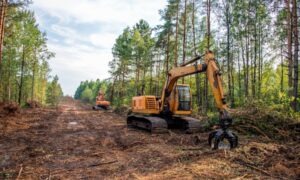
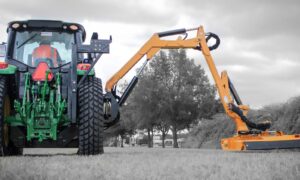
Technology in land clearing often starts with the equipment. Dozers, excavators, track loaders, skid steers, mulching attachments, and dump trucks each play different roles. The right machine can remove brush, shape the ground, manage slopes, and move material efficiently without disturbing more land than necessary.
Modern equipment gives operators better visibility, stronger hydraulic control, and more attachment options than older methods. That helps crews work around trees, protect access routes, and clear specific areas instead of treating the property like one giant eraser. Precision matters, especially near fences, utilities, driveways, ponds, buildings, or future home sites.
For land clearing, grading, dozer work, and related excavation services in the Tulsa area, customers can learn more from T&J Excavating.
Smarter Planning Helps Reduce Jobsite Surprises
Innovation is not always a gadget. Sometimes it is a better process. Before clearing begins, a professional team should evaluate access, slope, drainage, soil condition, debris type, and the intended use of the site. That review helps determine whether the project needs clearing, grading, stump removal, hauling, fill dirt, or additional dirt work.
A wooded lot for a future home site has different needs than overgrown acreage, a commercial pad, a pond area, or a driveway path. Planning also helps identify what should remain. Mature trees, drainage features, property boundaries, and usable topsoil may need protection. Good clearing removes obstacles without accidentally removing good opportunities.
This is where communication counts. Property owners should explain future plans before the first machine arrives. Is the cleared area for construction? Pasture? Access? A pond? A building pad? The answer changes the plan.
Land Clearing and Drainage Now Work Together
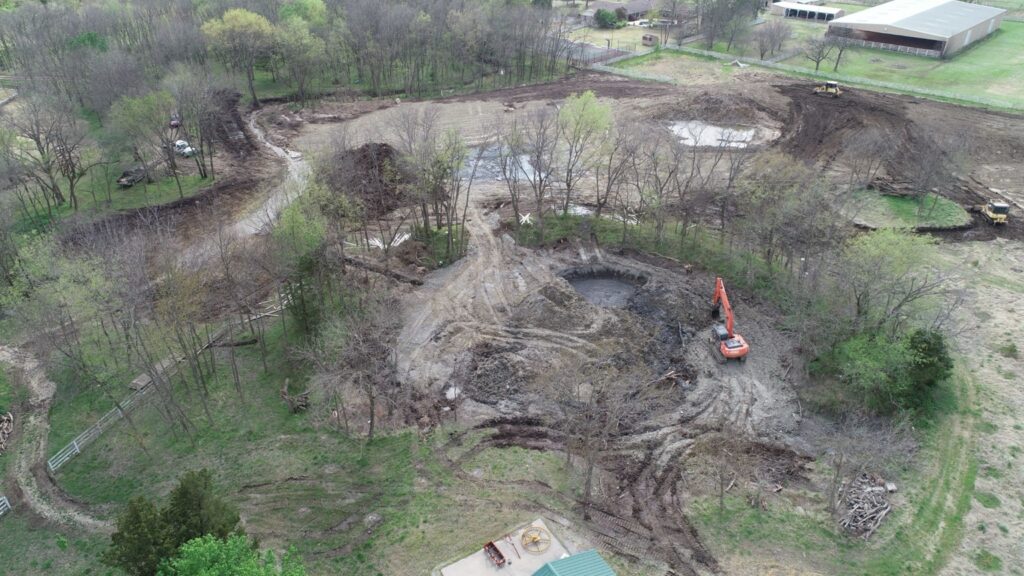
Water is always part of the conversation. Clearing brush and trees can change how runoff moves across a property. If slopes are exposed carelessly, erosion can become a problem. If low areas are ignored, the cleared site may still be too wet to use efficiently.
Modern land clearing often connects with grading, swales, access shaping, and soil stabilization. The goal is to help water move in a controlled way rather than letting it carve its own dramatic little adventure through the property. Drainage planning may include preserving natural flow paths, reshaping rough ground, or preparing areas for later improvements.
A clean site that drains poorly is not truly ready on any site. It is just easier to see the puddles.
Material Handling Is Becoming More Efficient
Clearing land creates material. Brush, trees, stumps, soil, rock, and debris all need a plan. Depending on the project, material may be hauled away, mulched, burned where permitted, separated, reused, or moved to another area of the property. Efficient handling saves time and helps keep the site manageable.
Dump trucking and dirt services can also support clearing projects when material must be removed or brought in. Fill dirt may be needed to smooth low areas, repair rough ground, improve access, or shape the site after clearing. The best approach depends on what the land will become after the work is complete.
For local dirt and material information connected to clearing and site preparation, visit the Tulsa Dirt Site.
Safety Technology and Operator Skill Still Matter
Land clearing can involve heavy equipment, falling limbs, unstable ground, hidden debris, underground utilities, and uneven terrain. Better machines help, but skilled operation and jobsite awareness remain essential. Operators must understand how soil, slopes, trees, and equipment interact.
Property owners can support safety by marking known utilities, identifying septic areas, moving vehicles or livestock, and keeping people away from active work zones. Overgrown land can hide old wire, concrete, wells, trash, metal, and holes. A careful clearing process treats the unknown with respect.
Safety also includes protecting the surrounding property. Controlled access, planned equipment routes, and clear communication can reduce unnecessary disturbance.
The Future of Land Clearing Is Cleaner and More Purposeful
The best land clearing projects are not judged only by what was removed. They are judged by how ready the property is afterward. Modern equipment, smarter planning, drainage awareness, and efficient material handling help turn rough land into usable space for building, access, ponds, landscaping, or maintenance.
For Tulsa-area customers, land clearing should be viewed as a foundation service. It creates the blank canvas, but it also shapes the first draft of the project. When done professionally, it can reduce delays, improve safety, support drainage, and make future work easier. In other words, smart land clearing is not just clearing the way. It is preparing the way.