Commercial real estate is on the verge of a revolutionary transformation in which intelligent building systems are changing the way they are valued and managed. Along with these changes in technology, security is also transforming, shifting from the margins to the center of operations. Today’s forward-thinking property owners realize that smart security is no longer optional, and it affects property value and tenant satisfaction.
The features of integrated systems to improve safety and operational transparency have become important tools for buyers and tenants to consider when looking at commercial properties in 2026. As smart technology is changing how properties are valued, the same principle applies equally to security infrastructure. Tenants prefer to work in spaces that have been integrated into a smart security system, and a smart company complex receives more value than a traditional building. Security is no longer a cost centre that’s all about prevention; it is now a strategic asset that enables operational intelligence and business continuity. Autonomous monitoring systems, AI-powered threat detection, and predictive maintenance technologies are becoming baseline infrastructure for modern commercial buildings.
Cybersecurity and Physical Security Convergence
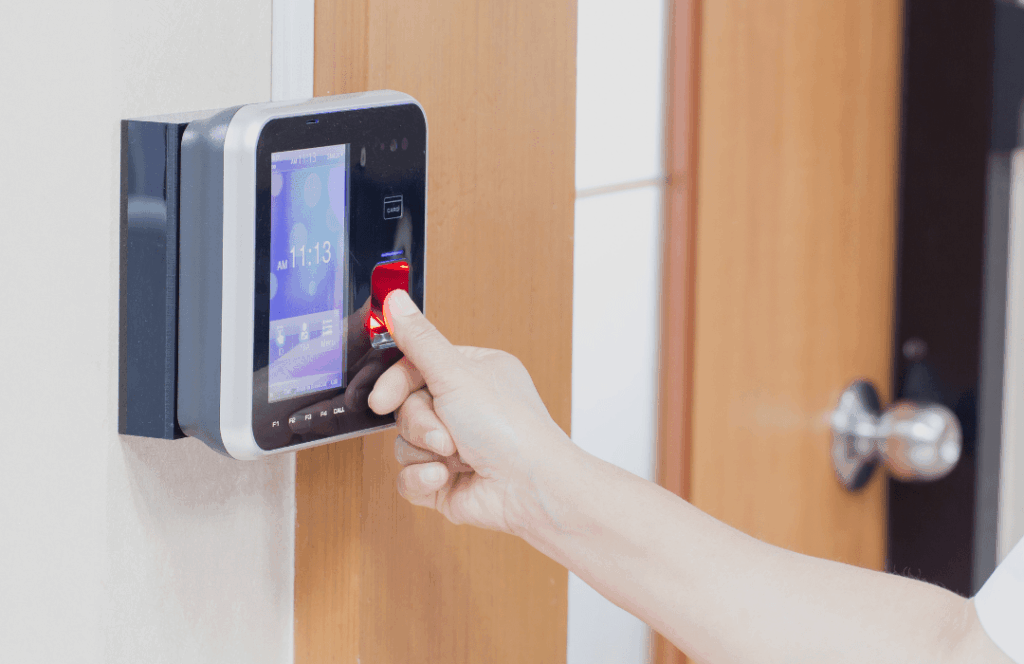
When it comes to security systems, the new reality is that cyber and physical threats are not separate and stand-alone. A computer user with a sophisticated attack could potentially use a software security hole in an access control system to get the keys to enter the building, but a physical breach could allow for much more destructive cyber attacks. If your property has separate cybersecurity and physical security teams that don’t communicate, there will be blind spots that attackers will exploit.
Smart property managers understand that the best security solutions are ones that actually integrate these areas, with AI-driven threat detection systems complementing experienced security guard services with a human touch and making intelligent decisions where technology cannot. Automation can be used to monitor and assess incidents on a continuous basis, but a skilled security team will be able to understand the alerts in the proper context and be able to react to more complex incidents. The safest commercial buildings in 2026 are those where IT teams and on-site security teams work hand-in-hand, where smart systems are seamlessly integrated with trained professionals, and where technology is used to supplement, not replace, human expertise. This is an integrated approach that breaks down dangerous silos to achieve resilience that is unmatched by a cybersecurity solution alone or by physical security alone.
From Reactive to Predictive: AI-Powered Threat Detection
Security was traditionally based on the very simple principle of monitoring and reacting to incidents. Such a reactive approach has inherent limits, as it can never prevent what it is not expecting, and systems are thus always vulnerable to new attack approaches. However, with the advent of the Internet, artificial intelligence has fundamentally changed this calculus by providing a truly predictive ability to analyze patterns of behavior as they happen.
Today, commercial buildings are using machine learning systems to monitor and detect anomalies before they become major issues, simultaneously analyzing video, access and environmental information with consistency and speed that outpaces what humans can achieve. These can detect abnormal activity levels, unauthorized accesses, and suspicious movements of assets with a level of accuracy comparable to that of human beings. According to a study from Cybersecurity Ventures, Cyber crimes around the world will cost $10.5 trillion a year by 2025, and a large share would be attributed to physical security breaches. With AI-driven detection, organizations have reported that incident response times have dropped from hours to minutes, and the time period for undetected breaches has decreased from weeks to days, directly impacting their liability and risk management capabilities.
According to NIST’s framework on detection and response capabilities, these functions serve as critical components of enterprise security posture. The difference between motion detection and modern AI technology are rooted in their sophistication. AI systems will provide a deeper understanding of the typical rhythm of a property, considering elements such as regular foot traffic and seasonal changes, and will only alert users to true alarms, which are otherwise overwhelmed by false alarms in conventional monitoring systems. This context awareness greatly mitigates today’s alert fatigue that makes traditional security monitoring increasingly ineffective.
IoT Integration and Building Nervous Systems
Smart buildings are more like ecosystems in which security is one important strand of the whole fabric of building intelligence. This infrastructure is interdependent and enables security systems to communicate with access control, environmental management, and facility operations in ways that were never possible before. Let’s look at a practical example: When an unauthorized attempt is made at a loading dock, it’s a coordinated response across multiple systems. The incident is recorded, security staff is informed, access to the elevator is limited, targeted lighting will be turned on, the facility manager will be alerted, and critical zone doors will automatically be locked.
This isn’t just about incident response, however, because the occupancy data also feeds back into heating and cooling systems, and access records feed into predictive analytics to determine when maintenance is required, based on usage intensity. This convergence of data streams creates operational intelligence impossible in fragmented systems. Recent analysis on smart buildings indicates that properties with the full range of IoT security measures experience an average of 20 to 25 percent greater efficiency when operating. The leading security implementation companies know that this orchestration is not something that could be done without careful planning and expertise in order to work well in different types of properties.
Autonomous Monitoring and the 24/7 Advantage
While human decision-making and judgment are still essential for situations that require contextual threat assessment, autonomous systems are now available to provide continuous surveillance and initial threat assessment, leaving trained security personnel free to engage in strategic decision-making instead of time-intensive, round-the-clock monitoring. This model radically rethinks the security staffing experience for property managers because it enables them to deploy smaller professional security teams supplemented by fully automated systems that never get tired and don’t suffer from attention span issues.
When security is a 24/7 presence on-site at multiple properties, a property manager can now access a unified dashboard that shows the real-time security status for all properties. Autonomous systems do not exhibit the same kind of lapses that humans do when monitoring, especially late at night when threats may be more active, and they log everything consistently, which results in full compliance audit trails and evidence for investigations. This mix of technologies with skilled security professionals who provide judgment and adaptability, maximizes the benefits of technology while preserving qualities that are distinctly human and technology can’t replicate.
Predictive Maintenance and Asset Protection
Smart security extends beyond threat detection to encompass comprehensive protection of physical assets and critical building systems themselves. IoT sensors integrated throughout properties continuously monitor critical infrastructure, identifying degradation patterns before they become critical problems, allowing fire suppression systems showing minor pressure fluctuations to be flagged for maintenance before failure and access control systems showing increased latency to receive updates before becoming unreliable.
This predictive approach dramatically reduces unplanned downtime that impacts operations, with properties implementing predictive security maintenance reporting reduction in unexpected failures by up to 30 percent, according to building operations analytics research. Software vulnerabilities in access control systems or IP cameras are identified and patched proactively before exploitation, preventing the unexpected failures that would trigger service level agreement violations.
Integration with Property Value and Tenant Expectations
Commercial tenants increasingly view security infrastructure as a critical operational requirement rather than a nice amenity. Properties demonstrating sophisticated, fully integrated security systems featuring AI-powered detection, real-time monitoring, and predictive maintenance attract premium tenants and command rental rates 8 to 12 percent higher than comparable properties with traditional approaches, according to recent real estate market analysis.
For property investors, this creates a clear business case, as upfront smart security investment typically recovers through improved tenant retention, higher lease rates, and reduced operational costs within 18 to 24 months. According to IFMA’s latest research on global facility management trends, integrated building systems significantly improve operational performance and tenant satisfaction. Properties featuring smart security have demonstrably shorter tenant acquisition cycles and fewer vacancy periods, while buildings without these systems risk appearing dated to sophisticated tenant profiles.
Frequently Asked Questions
Are smart security systems vulnerable to cyber attacks differently than traditional systems?
Modern smart security systems employ enterprise-grade encryption, regular updates, and network segmentation, providing stronger protection than isolated traditional systems and offering superior intrusion visibility compared to fragmented legacy approaches.
What is the typical implementation timeline for smart security infrastructure?
Modern properties integrate comprehensive smart security within 6-12 weeks; retrofitting older buildings takes 12-20 weeks. Many transition incrementally, beginning with AI-powered monitoring, then progressively adding components as budgets allow.
Do smart security systems require extensive staff retraining?
The time needed for integrated dashboards training is usually 2-3 days for security teams. There’s a mindset change from reactive incident response to monitoring AI insights, which takes more than just technical skill.
Final Thoughts
Smart security is no longer a speculative investment but a competitive necessity directly impacting property valuation and operational efficiency. For commercial property decision-makers in 2026, the question is not whether to implement these systems but how quickly to do so while ensuring implementation integrity and strategic alignment. Properties treating security as core operational infrastructure rather than compliance checkpoints will define competitiveness over the coming years. These integrated systems generate operational intelligence, protect valuable assets, and create secure environments attracting premium tenants. In today’s competitive commercial real estate market, smart security has evolved from optional sophistication to essential infrastructure. Professional security partners with expertise in complex properties can guide organizations through implementation challenges and ensure alignment with broader property operations.