
The modern smart home is evolving beyond convenience and automation into something more meaningful. Today, it is becoming a space designed to actively support health, recovery, and long-term performance. As Americans place greater emphasis on preventive wellness, the concept of at-home recovery solutions is rapidly gaining traction, especially among fitness-focused and tech-savvy homeowners.
Among these solutions, saunas are emerging as one of the most practical and scalable options. They bridge the gap between traditional wellness practices and modern smart home technology, offering a way to integrate recovery into daily routines without relying on external services. This shift reflects a broader trend where homes are no longer just places to live, but environments designed to optimize how people feel, perform, and recover.
The Shift Toward At-Home Recovery in U.S. Smart Living
Smart homes in the United States are no longer defined only by convenience features such as lighting automation or voice assistants. Increasingly, they are evolving into health-centered environments, where recovery, stress management, and long-term wellness are built into the home itself.
This shift is closely tied to broader lifestyle changes. According to Statista, the U.S. smart home market is projected to exceed $230 billion by 2028, with a growing portion driven by wellness and health-related technologies. At the same time, the Global Wellness Institute reports that the U.S. wellness economy is valued at over $1.8 trillion, reflecting strong consumer demand for preventive health solutions.
For many Americans, the appeal of at-home recovery solutions comes down to accessibility and consistency. Instead of scheduling time at spas or recovery centers, homeowners are investing in systems that allow daily use. This behavioral shift is what has positioned saunas as a key component in modern smart living.
Why Saunas Are Emerging as a Core Recovery Technology
Saunas are gaining traction not as luxury items, but as functional recovery tools. Their effectiveness is rooted in how the body responds to heat exposure. Elevated temperatures trigger vasodilation, increasing blood flow and helping transport oxygen and nutrients to muscle tissue.
Research published in the Journal of Applied Physiology shows that passive heat exposure can increase blood flow by up to 50 percent, directly supporting recovery processes. Additionally, studies indicate that heat therapy can reduce perceived muscle soreness and improve relaxation after physical activity.
Compared to other recovery tools, saunas offer a system-wide effect. Cold therapy primarily targets inflammation, while massage devices focus on localized relief. In contrast, heat exposure influences circulation, muscle relaxation, and cardiovascular response simultaneously. This makes saunas particularly effective for individuals who want a consistent, repeatable recovery method that fits into daily routines.
Integration of Saunas into the Smart Home Ecosystem
The role of saunas is expanding as they become integrated into the broader smart home ecosystem. Modern systems now include app-based controls, programmable timers, and compatibility with voice assistants, allowing users to automate sessions as part of a daily routine.
This integration becomes even more powerful when combined with wearable technology. Devices that track heart rate, sleep quality, and recovery metrics can be used alongside heat therapy to create a connected wellness loop. For example, a user might complete a workout, initiate a sauna session through a mobile app, and then track recovery indicators overnight.
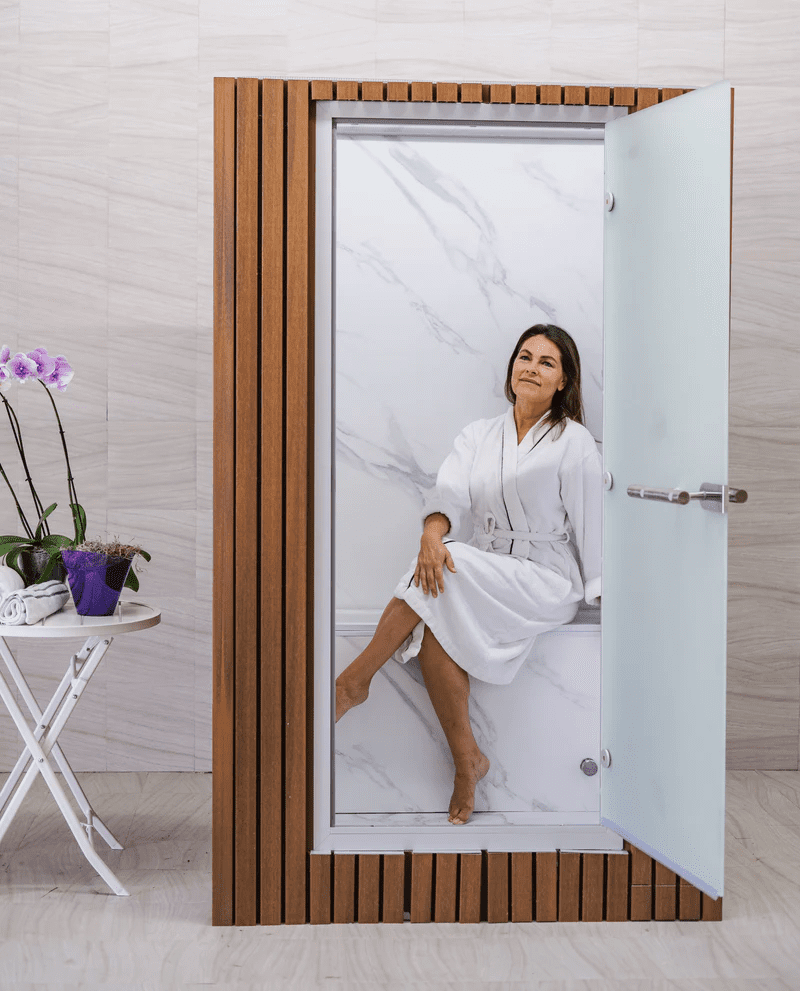
Within this ecosystem, both sauna and steam-based systems are being incorporated into residential design. Solutions such as a residential steam sauna are becoming part of this broader shift, with brands like GeyserSteam Room focusing on customized installations that align with modern smart home environments. These systems are designed not only for comfort, but also for consistency, which is a key factor in recovery outcomes.
U.S. Adoption Patterns: From Luxury Upgrade to Standard Feature
In the U.S., saunas are transitioning from niche luxury upgrades to mainstream home features. This trend is driven by a combination of fitness culture, biohacking communities, and growing awareness of recovery science.
According to the National Association of Home Builders, wellness-focused features such as home gyms and spa-like bathrooms are among the top priorities for new homebuyers. In parallel, the home improvement market in the U.S. surpassed $500 billion in annual spending, with a noticeable increase in health-related upgrades.
Design trends also reflect this shift. Indoor sauna installations are becoming more compact and space-efficient, while outdoor setups are being integrated into backyard environments alongside pools and fitness areas. Many homeowners are now considering options like a traditional sauna as part of a long-term investment in both lifestyle and property value.
Practical Considerations: Efficiency, Safety, and Long-Term Value
While adoption is growing, practical considerations remain essential. Installation requires attention to space, ventilation, and electrical capacity. Energy efficiency is also a key factor, particularly for systems intended for frequent use.
Frequency plays a central role in value. A sauna used several times per week provides significantly more benefit than one used occasionally, making convenience and accessibility critical.
Safety is equally important. The Mayo Clinic recommends limiting sauna sessions to 15 to 20 minutes and maintaining proper hydration to reduce the risk of overheating. These guidelines help ensure that heat therapy remains a safe and sustainable part of a wellness routine.
When compared to recurring costs of spa visits or recovery services, at-home systems often provide better long-term value, particularly for individuals who prioritize consistent use.
The Future of At-Home Recovery in Smart Homes
The future of smart homes is increasingly tied to continuous health optimization. Advances in artificial intelligence and connected devices are enabling more personalized wellness environments, where recovery methods adapt to individual data.
In this context, saunas are evolving from standalone features into foundational elements of wellness ecosystems. They complement other technologies such as sleep tracking, fitness monitoring, and climate control, creating a more integrated approach to health.
As American consumers continue to prioritize preventive care and daily recovery, at-home solutions will likely become standard rather than optional. The combination of technology, design, and wellness science is shaping a new generation of homes built not just for comfort, but for long-term health.
Conclusion
Saunas represent a unique intersection between traditional wellness practices and modern smart home innovation. Their ability to support recovery, improve circulation, and integrate into connected environments makes them a natural fit for today’s evolving residential landscape.
As the demand for at-home recovery solutions in U.S. smart homes continues to grow, saunas are no longer seen as luxury additions. Instead, they are becoming a core component of how homes are designed, experienced, and optimized for health.