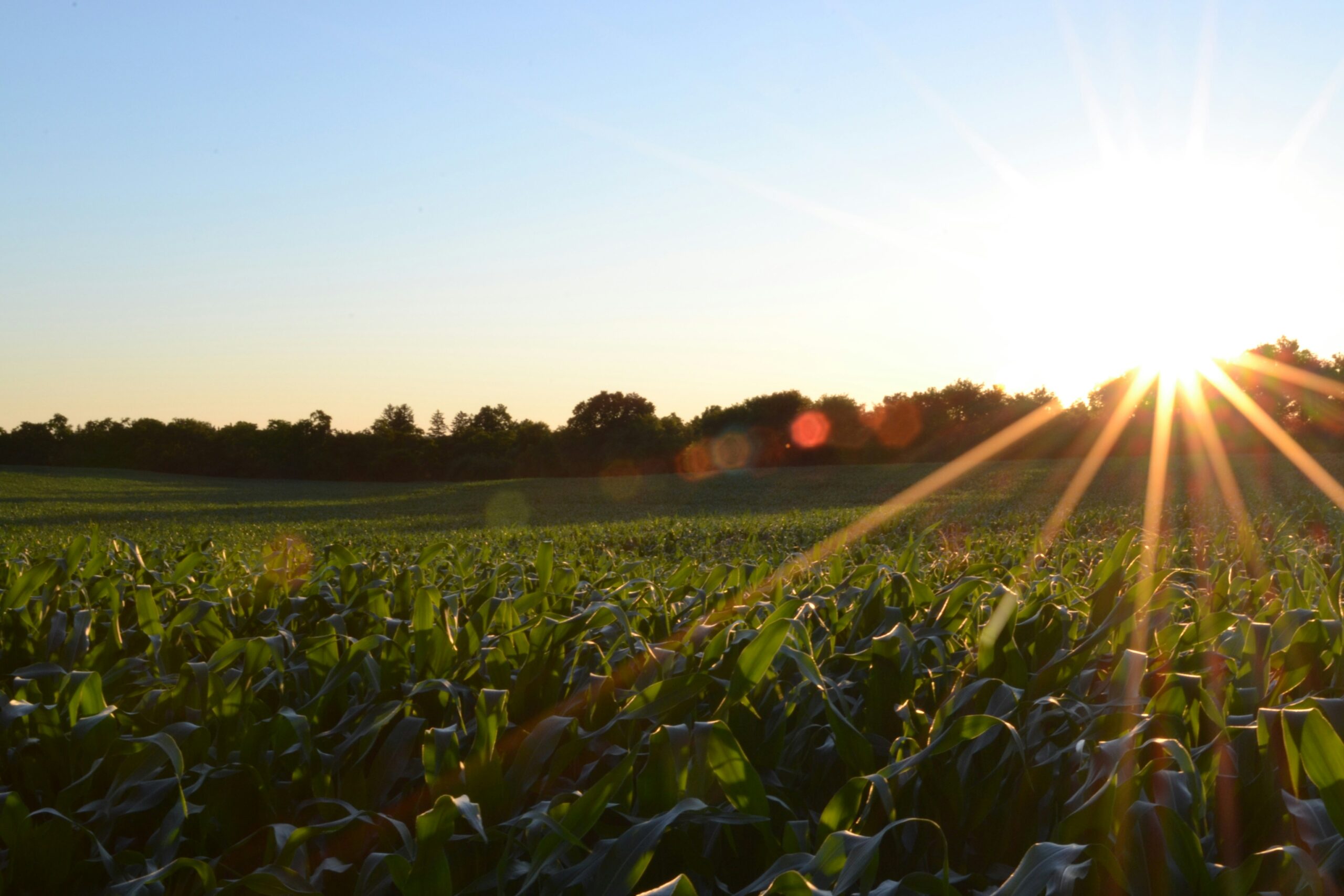
Farm operations today face an environment where uncertainty has become a consistent part of the business landscape. Weather patterns shift unpredictably, markets move quickly, and operational challenges can arise at any point in the production cycle. For both new and established farmers, implementing strong risk planning has become essential for maintaining stability and protecting long term viability. The goal is not to eliminate risk entirely but to build systems that help navigate unexpected events with fewer disruptions. Strategic preparation allows farmers to make informed decisions, preserve resources, and support the financial health of their operations regardless of external pressures.
Building a Strategic Framework for Operational Resilience
Effective risk planning begins with understanding the farm’s vulnerabilities. Farmers often start by evaluating field conditions, soil profiles, water access, and the local climate to identify factors that may create challenges. This assessment helps determine which crops are most suitable for the land and which management practices can reduce the likelihood of losses. Crop rotation, soil conservation practices, and diversified planting schedules all strengthen resilience by reducing reliance on a single crop or growing period.
Operational planning also includes forecasting input needs, maintaining equipment proactively, and mapping out alternative strategies when disruptions occur. Farmers who prepare for several possible scenarios often find it easier to pivot when unexpected issues arise. For example, a sudden delay in rainfall may require shifting irrigation schedules, while a market shift may prompt reallocation toward different buyers. The ability to adjust quickly is a defining characteristic of strong risk management, and it allows farms to continue functioning smoothly even when conditions are unpredictable.
Incorporating Technology for Better Tracking and Faster Response
Modern technology provides tools that make risk planning more precise and effective. Weather monitoring systems, forecasting apps, and climate analytics platforms offer detailed insights that help farmers anticipate upcoming challenges. These tools allow for timely adjustments in planting, irrigation, fertilization, and harvesting, which can significantly reduce the impact of environmental variability.
Digital crop monitoring tools are increasingly accessible and beneficial even for smaller operations. Soil moisture probes, nutrient sensors, and remote imaging help detect early signs of plant stress or pest presence. Identifying issues before they spread allows farmers to act quickly and maintain crop health. Farm management software systems also support risk planning by tracking data over multiple seasons, analyzing patterns, and helping farmers identify the most effective strategies for their operations. By combining traditional knowledge with real time data, farmers create a more responsive and resilient approach to day to day management.
Strengthening Financial Preparedness to Reduce Vulnerability
Financial stability is an integral component of strong farm risk planning. Unpredictable expenses can arise from machinery breakdowns, severe weather, or sudden changes in input costs. Maintaining detailed budgets and consistently tracking operational expenses provide farmers with clearer visibility into their financial standing. This awareness allows them to anticipate potential shortfalls and plan accordingly.
Many agricultural producers utilize tools offered through crop insurance, which provides financial compensation in the event of yield loss or weather related damage. Insurance plays a critical role in reducing vulnerability during difficult seasons and ensures that farms can recover without facing long term financial strain. In addition to insurance, emergency savings, structured debt management, and participation in local or federal support programs all contribute to a stronger financial foundation. Farmers who build these safeguards are better prepared to navigate unexpected challenges without significant disruption to their operations.
Relying on Community Support and Industry Expertise
Farmers do not face risk alone, and connecting with others in the agricultural community provides valuable support. Local extension offices, producer associations, and cooperative networks offer resources that help farmers stay informed about best practices, emerging threats, and regional trends. These organizations often host workshops and field days that share updates on pest pressures, climate shifts, soil health techniques, and financial planning strategies.
Peer collaboration is equally important. Farmers who regularly communicate with neighbors and colleagues gain firsthand insight into local conditions and receive advice from those who have faced similar challenges. These shared experiences help producers understand the broader context of their region and identify strategies that are proven to work in their environment. Strong networks reinforce operational confidence and help farmers adapt more smoothly during periods of uncertainty.
Conclusion
Safeguarding farm operations requires a thoughtful combination of strategic planning, technological tools, financial protection, and strong community support. By developing a comprehensive risk management approach, farmers create an environment where they can respond effectively to challenges and maintain stability even during unpredictable seasons. With preparation and adaptability, farm operations are better positioned to thrive and grow in a landscape where uncertainty has become a consistent element of agricultural life.