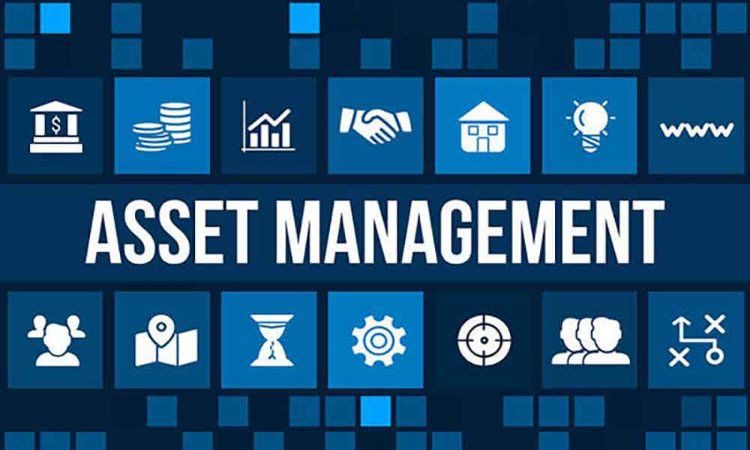
In today’s digital world, every device, user, and application is at risk of cyber threats. Due to the vast amount of applications a business usually runs, it’s difficult to keep track of everything, but that’s where asset management software comes in. This software has been on the rise in a lot of businesses today because businesses know you can’t protect something you don’t know you have. It has now become an integral part of any business’s modern cybersecurity strategy.
The Link Between Assets and Cybersecurity
Every business, regardless of its size, has a lot of digital and physical assets – from servers, laptops, and IoT devices to software licences and cloud-based tools. All of these assets can be exploited easily if they are unmonitored or outdated. A lot of companies install firewalls and antivirus software, but they still don’t know what’s actually in their network. The lack of visibility is called “shadow IT”, where employees use unauthorized tools or software that the IT team isn’t aware of. This can cause huge vulnerabilities in their network. An asset management software helps curb this problem by providing a constant update of every device and software application that is being used.
Visibility and Threat Prevention
One of the biggest advantages of this software is its ability to track assets in real-time. When connected to a network, it continuously scans for the device type, ownership, location, and security status. Visibility isn’t just to find out what you own, it’s also about finding out what’s vulnerable.
For example, a device that is being run on an old system will be flagged for it to be replaced or updated, and if a new device is connected to the network without authorization, then that would be flagged as well. The software helps us stay ahead of the problem by working on it before it becomes a bigger threat.
Enhancing Compliance and Audit Readiness
Cybersecurity isn’t just about stopping hackers; it is also about following the rules. Businesses today need to comply with data protection laws like GDPR, HIPAA, or ISO standards, which require IT asset records and their data protection methods. Asset management tools help with compliance by maintaining audit trails, which are logs that show who accessed what, when, and how. Instead of companies scrambling around to gather information, they can present complete records within minutes. With this, companies can stay accountable and be prepared for whatever may be coming their way.
Patch Management
One of the main causes of breaches is the use of old or unpatched software. Asset management tools help simplify this process by using vulnerability management systems that track patch updates across all your devices to make sure nothing is lagging behind. By automating this process, you strengthen the entire network, minimize downtime, and reduce the chances of breaches.
Asset management software is the foundation of any successful business. Without knowing what your assets are, you can’t protect them. Brands like Infraon are leading the way by offering asset management tools that combine automation, analytics, and security insights all in a single dashboard, making it very easy to use. Asset management software has now become a must in every business to help combat cyber threats.