As competition intensifies and shopper expectations continue to evolve, supermarkets and grocery retailers must rethink how they operate in 2026.
Winning market share today requires more than short-term tactics — it demands a connected retail strategy that combines operational efficiency, digital technology, and customer-centric experiences.
From electronic shelf labels (ESLs) to omnichannel integration, the retailers that move faster and smarter will define the future of grocery.
By adopting clear, future-ready retail strategies, retailers can speed up growth, simplify daily operations, and create a better shopping experience for customers.
1. Optimize Your Product Mix and Assortment
A strong retail strategy starts with a well-chosen product mix that perfectly fits local shopper tastes. Retailers should regularly review sales performance and profit margins to identify slow-moving items that take up valuable shelf space.
Removing underperforming products creates room for higher-margin items and seasonal favorites. In addition, placing popular products in clearly visible. “bestseller zones” near store entrances or high-traffic aisle ends can quickly catch shoppers’ attention and encourage additinal purchases.
2. Implement Digital Price Management with ESL
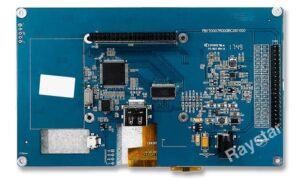
Manual price updates are inefficient, error-prone, and difficult to scale. Upgrading your grocery store with an electronic shelf label (ESL) solution is a key step for easy, store-wide price management. By using advanced digital price tags, like the Hanshow Nebular Series, management can smoothly update prices and promotional details across the entire store.
Modern electronic shelf labels allow retailers to adjust prices based on expiration date and promotional periods. With durable hardware, long battery life, and clear visual indicators — such as multicolor LED lights — the Nebular Series can support daily store operations and help staff locate items more quickly when fulfilling online orders.
3. Shift to Precision Promotion
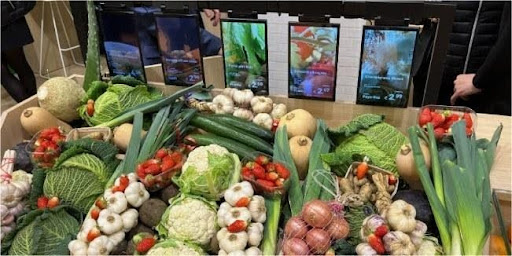
Running store-wide promotions often can reduce profit margins without always building long-term customer loyalty. A more effective retail strategy is precision promotion, which leverages aggregated insights and shopping patterns to deliver targeted offers and member-exclusive discounts. Personalized marketing help shoppers feel understood and encourage more frequent store visits. Inside the supermarket, in-store digital screens can highlight active promotions at key decision points, influencing purchase behavior at the shelf.
To maximize results, promotion performance should be reviewed weekly. By adjusting discount levels and featured products based on real sales data, retailers can improve promotional ROI and reduce unnecessary markdowns.
4. Enhance the In-Store Customer Experience
Today’s shoppers expect their trip to the store to be smooth, fun, and highly convenient. Start by improving your physical shelf layout to ensure wide, clear aisles and clear visual points that guide shoppers naturally through the store. Make the shopping trip better by setting up tasting areas or interactive product displays, especially for exciting new grocery items.
Checkout efficiency speed is equally critical. Self-checkout, mobile payments and faster checkout process reduce wait times and improve overall customer satisfaction, driving repeat visits and positive word-of-mouth.
- Achieve Seamless Omnichannel Integration
Modern grocery retail is no longer divided between online and offline — it must operate as one unified system.
Retailers should ensure that online platforms perfectly match your in-store pricing and inventory levels in real time. This becomes much easier when supported by smart shelf technology that keeps product information up to date on the sales floor.
Offering flexible shopping options such as easy online ordering, quick in-store pickup, and fast home delivery allows grocery stores to meet different shopping preferences while improving overall convenience.
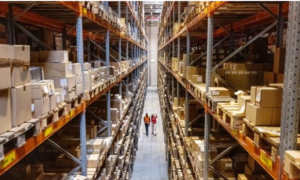
6. Strengthening Supply Chain Efficiency
An optimized supply chain directly impacts both profitability and product availability. By using detailed sales data for demand forecasting, grocery retailers can reduce the risk of empty shelves while also avoiding excess stock sitting in back rooms.
Close collaboration with suppliers ensures that fresh and high-demand products remain available.
When combined with smart pricing strategies, retailers can also reduce waste and improve margins without damaging brand perception.
Why ESL Is Central to Retail Growth in 2026
Electronic shelf labels are no longer just a pricing tool — they are a foundational technology for modern retail operations.
From real-time pricing to omnichannel consistency, ESL enables retailers to move faster, operate smarter, and respond instantly to market changes.