Reasons Tech-Savvy Businesses Are Rethinking Their Corporate Branding Merchandise Strategy

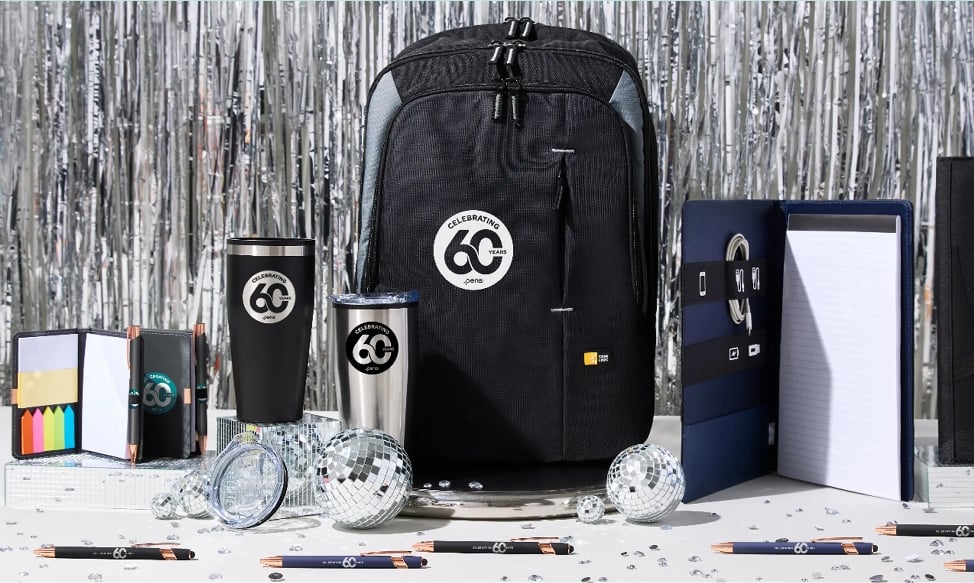
Branded merchandise in the tech world used to arrive rather than get planned. The USB drive with the storage capacity of a 2003 digital camera did not emerge from a strategy session. Someone approved a minimum order quantity, a box showed up, and three months later the drives were in a bowl near the registration desk at a conference, being taken by people who already had seventeen of them at home. Then the drawer. Then oblivion. The tote bags behind reception did not fare better. At some point the category picked up a reputation it largely deserved: the part of the marketing budget where ambition went to rest indefinitely.
That’s changing. And the businesses leading the change are the ones that figured out branded merchandise done well is one of the few physical touchpoints left in a customer relationship that’s otherwise entirely digital.
1. Physical Objects Do Something Digital Can’t
A notification gets dismissed in one second. A quality branded item sits on a desk for two years. Those aren’t comparable in terms of attention or recall. Tech businesses understand this better than most, because they spend a lot of money on digital advertising and they can see exactly how quickly it gets ignored.
The shift toward thoughtful physical merchandise, through suppliers like Pens.com, which specialises in customised branded items with quality that actually reflects well on the companies ordering them, reflects a broader recognition that brand awareness can’t live only on screens. At some point it needs to exist in the physical world if it’s going to feel real to the people the company is trying to reach.
2. The Quality Bar Has Risen Considerably
The previous generation of corporate merchandise was optimised for cost. The current generation is optimised for whether the recipient actually uses it, which turns out to be a better measure of return on investment than how cheap each unit was.
A branded item that gets used every day for a year produces more brand exposure than a hundred digital impressions that get scrolled past. Tech companies understand data. The data on merchandise retention versus digital ad recall isn’t particularly close.
3. Merchandise Fills the Gap After the Screen Closes
Customer relationships in tech are heavily mediated by software. Onboarding happens in an app. Support happens through a chat interface. Renewal reminders arrive by email. The entire relationship can pass without a single physical object changing hands.
At some point, a customer relationship that happens entirely through software starts to feel like it’s happening to no one in particular. A package arriving with something useful inside it changes that. Not dramatically. Just enough. The timing matters too: a renewal, a milestone, the end of onboarding- these are moments when a physical object showing up says something that another automated email genuinely cannot. The inbox is full. The desk usually has more room.
4. It Travels to Audiences No Digital Campaign Reaches
A branded pen taken home from a corporate event goes into a household where none of the company’s targeting parameters apply. A quality tote bag used at the grocery store gets seen by dozens of people the brand has no data on. Physical distribution of branded items produces exposure in contexts that digital advertising simply cannot access.
Conclusion
Tech companies that are reconsidering their merchandise strategy are not giving up on digital. They are recognizing that the real world still exists and that branded items in it have a level of enduring attention that pixels do not. The more intelligent ones have already found this out. The others are catching up.