
QR Codes Are Quietly Changing How the Philippines Fights Document Fraud

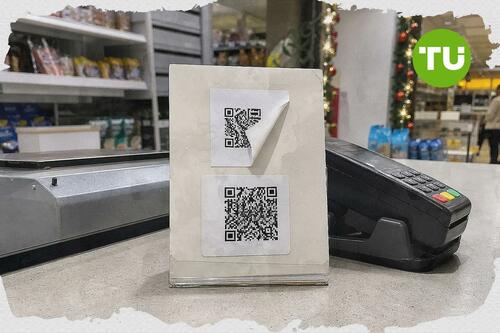
Fake documents have long been a costly problem in the Philippines. Employers, banks, schools and foreign embassies all rely on civil registry papers such as birth and marriage certificates, and forged copies have been used for everything from identity theft to visa fraud. For years, the main defence was special paper and a trained eye.
That is changing. Philippine government agencies are moving toward machine-readable verification, and the humble QR code is at the centre of it.
From security paper to scannable proof
The Philippine Statistics Authority (PSA) issues civil registry documents on security paper with features that are hard to copy, such as watermarks and special printing. These features help, but checking them requires knowing what to look for, and a good forgery can still pass a quick glance.
Newer PSA-issued certificates add a QR code. Instead of judging the paper, the person receiving the document scans the code and compares what the PSA’s records show against what is printed. If the details don’t match, or the code doesn’t resolve to a valid record, the document needs a closer look.
The shift matters because it moves trust from the physical object to the database. Paper can be copied; a record held by the issuing agency is much harder to fake.
The same idea behind the digital National ID
The PSA applies the same approach to the Philippine Identification System (PhilSys), the national ID programme. Both the physical card and the digital version carry QR codes that can be checked against PhilSys records, and the PSA offers an official verification service for this on the PhilSys website.
For businesses, this is a practical change. A bank onboarding a new customer, or an HR team checking a new hire’s documents, can confirm an ID or certificate in seconds instead of relying on photocopies.
How verification works in practice
The exact steps depend on the document, but the pattern is similar:
- Use the PSA’s official verification app or page, not a random QR reader that opens unknown links.
- Scan the QR code printed on the certificate or ID.
- Compare the details returned, such as name, dates and document number, with the printed document.
- Treat any mismatch, error message or missing record as a reason to request a fresh copy from the PSA.
Older certificates printed before QR codes were introduced remain valid in many cases, but they can’t be checked this way. That’s one reason some offices now ask applicants for a recently issued PSA copy.
For a plain-language walkthrough of the steps, common scan errors and what to do with older certificates, see this guide on how to verify a PSA certificate’s QR code.
Why it matters for privacy too
QR verification can also reduce how much personal data gets shared. When an employer can confirm a document directly with the issuing agency, there’s less need to keep piles of photocopies that can leak or be misused. The best systems return only what’s needed to confirm a match, rather than the full record.
There are risks to watch. Scammers already print fake QR codes that lead to look-alike websites. Anyone verifying a document should check that the result comes from an official government domain, and should never enter extra personal information on a page reached from a scanned code.
What comes next
The Philippines is following a path many countries have taken: digitise the record, make it verifiable, and reduce reliance on paper. Online appointment systems for PSA offices, delivery of certificates ordered online, and digital IDs are all part of the same direction.
For tech teams building onboarding, HR or fintech products for the Philippine market, the takeaway is simple. Build verification into the flow from the start. A scan that takes seconds can replace manual checks, cut fraud and give customers a smoother experience at the same time.






Comment