Why a 12V Lithium Battery Beats Lead-Acid Today
A well-built 12V Lithium Battery redefines what portable power can do for RVs, boats, golf carts, and small home backup systems. Compared with traditional AGM or flooded lead-acid, lithium iron phosphate (LiFePO4) delivers far more usable energy, dramatically lower weight, longer cycle life, and faster charging—transformations that directly improve your time on the road, at sea, or off-grid. For owners who boondock on weekends, fish dawn-to-dusk, or rely on dependable backup power, the difference is not incremental—it’s fundamental.
Consider usable capacity and lifespan. Typical lead-acid batteries prefer shallow discharges, with practical depth-of-discharge near 50%. By contrast, a quality LiFePO4 pack can be regularly used to 80–100% depth of discharge while maintaining thousands of cycles. That means a 100Ah lithium battery may deliver nearly double the everyday usable energy of a comparable lead-acid bank. Lithium also returns energy more efficiently: round-trip efficiencies often exceed 95%, so you waste less of each amp-hour you collect from alternators, shore power, or solar. Over time, this efficiency advantage compounds into real-world runtime and cost savings.
Safety and stability matter, too. LiFePO4 chemistry is inherently more thermally stable than many cobalt-based lithium chemistries, and modern packs integrate an intelligent battery management system (BMS) that monitors cell balance, temperature, charge/discharge currents, and short-circuit conditions. The BMS helps prevent abuse and extends service life. In practice, that means fewer surprises: trolling motors maintain thrust longer, RV house loads stay steady through the night, and home inverters ride through outages with confidence. Users across the United States—from humid coastal marinas to high-desert campsites—value the durability, with many reporting weight reductions of 50–70% when replacing old lead-acid banks, along with noticeably faster recharging between uses.
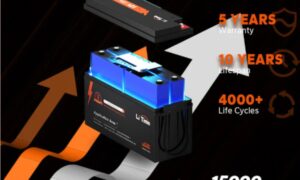
Total cost of ownership often seals the deal. While the upfront price of lithium is higher, the extended cycle life (commonly 3,000–6,000 cycles for reputable LiFePO4 cells) and the ability to use a greater share of each charge compress lifetime energy costs. Add in faster recharges, less generator time, and the reduced hassle of battery maintenance, and a 12V lithium system becomes an investment that pays back in everyday convenience and long-term value.
Key Specs, Sizing, and Installation Tips for Real-World Applications
Choosing the right 12V lithium solution starts with understanding the numbers that matter in the field. Capacity (Ah) tells you how much current a battery can deliver over time, while watt-hours (Wh = Ah × nominal voltage) reveal the true energy on tap. LiFePO4 packs have a nominal voltage of about 12.8V, with a typical charge target of roughly 14.2–14.6V. Look closely at the BMS specifications: continuous discharge current (to support inverters, trolling motors, and cart controllers), surge ratings for brief startup loads, and allowable series/parallel limits. Many quality packs support up to 4 in series for 48V and multiple in parallel for capacity expansion—always check the manufacturer’s guidelines.
Real-world sizing starts with your loads and duty cycles. A weekend RVer running lights, fans, a water pump, and modest electronics might thrive on a single 100Ah pack, especially paired with solar. Full-time boondockers, or those powering a 1,000–2,000W inverter for appliances, often step up to 200–400Ah. Anglers using a 12V 55-lb-thrust trolling motor commonly choose 100Ah lithium to comfortably fish all day without voltage sag. Golf cart owners transitioning from 36V or 48V lead-acid typically stack LiFePO4 in series (for example, three or four 12V packs) to cut weight, increase range, and reduce charge times. For small home backup, a single 12V bank can support DC loads or feed a compact inverter; for whole-home resilience, multiple packs in series or a higher-voltage system is standard.
Proper installation protects your investment. Use a charger with a dedicated lithium profile: bulk/absorb around 14.2–14.6V, no equalization, and either no float or a light float around 13.4–13.6V. Avoid charging below 0°C/32°F unless the battery includes an integrated heater. In vehicles with smart alternators, a DC-DC charger helps regulate current into the battery and prevents overworking the alternator. Fuse as close to the battery as possible, typically sized to about 1.25× your maximum expected current but within the BMS limit, and choose wire gauges appropriate for your sustained and surge currents (for example, 4 AWG for shorter runs up to ~100A, 2 AWG or larger for higher loads; consult a wire-sizing chart). When expanding capacity, use identical batteries, and avoid mixing new lithium with aging lead-acid banks. For marine installs, prioritize corrosion-resistant hardware and clean, tight terminations.
Owners ready to compare models can explore options in the 12V Lithium Battery category to match capacity, discharge rates, and form factors to their exact use case. Whether you’re upgrading a center-console boat for inshore pursuits, lightening a golf cart for neighborhood cruising, or outfitting a travel trailer for national park stays, dialing in the right specs up front pays off in reliable, quiet power wherever you roam.
Ownership: Charging, Storage, and Safety Best Practices
Day-to-day care of a 12V lithium bank is refreshingly simple, but a few best practices protect performance for years. Charge with a modern CC/CV lithium profile and let the BMS do its job. Partial state-of-charge use is fine—unlike lead-acid, LiFePO4 does not need frequent full charges to stay healthy. For seasonal storage, aim for roughly 40–60% state of charge, disconnect parasitic loads, and top up every 3–6 months if the pack lacks a low-standby BMS. Many owners appreciate Bluetooth-enabled monitoring to check voltage, state of charge, and temperature without opening compartments—handy in tight RV bays or marine lockers.
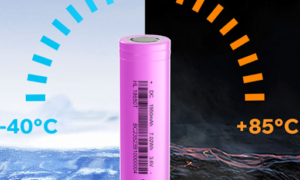
Temperature is the key variable to respect. Most lithium packs should not be charged below freezing; high-quality batteries include a low-temperature charge cutoff or an integrated heater that brings cells to a safe range before accepting current. This is crucial for winter camping across the Rockies or upper Midwest. In hot climates—think Arizona summers or engine compartments in the Southeast—good ventilation, shaded compartments, and separation from heat sources extend longevity. Because LiFePO4 maintains voltage under load better than lead-acid, electronics remain stable even as the pack discharges, which translates to steadier lighting, consistent trolling thrust, and fewer nuisance inverter trips.
Safety starts with correct wiring and continues with everyday common sense. A robust BMS helps protect against overcurrent or short circuits, but upstream fusing and proper cable management are your first line of defense. Anchor batteries securely to handle vibration on rough roads or choppy water, and avoid compressing or puncturing cases when stowing gear. Unlike some chemistries, LiFePO4 is cobalt-free and notably more tolerant of abuse, yet a poor connection can still overheat—check lugs for cleanliness and torque after the first few outings. For marine applications, consider IP-rated enclosures, use tinned marine cable, and apply dielectric grease to ward off corrosion. If your system includes solar, program the MPPT controller to a lithium profile so you harvest energy efficiently without overvoltage events.
Think long-term about sustainability and serviceability. Quality 12V lithium packs are designed for thousands of cycles, stretching replacement intervals and reducing waste compared with disposable-feeling lead-acid banks. When a pack eventually reaches end of life, responsible recycling recovers materials and keeps batteries out of landfills. Owners also value responsive support from teams who understand RV, marine, golf cart, and home energy use in real American conditions—humid Gulf Coast marinas, salt and spray in the Northeast, altitude swings in the Rockies, and sun-baked desert boondocks. With the right product and care, a modern LiFePO4 system becomes a durable backbone for quieter trips, longer range, and more worry-free time off the grid.