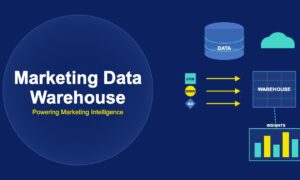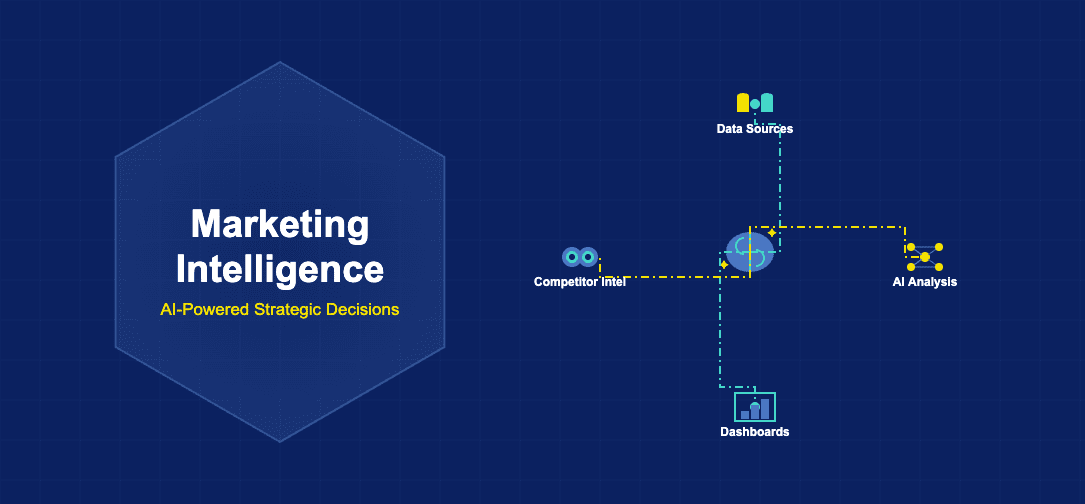
The marketing intelligence and analytics market was valued at $7.2 billion in 2025, reflecting growing recognition that data-driven decision-making is essential for competitive success in digital markets. Marketing intelligence platforms aggregate data from diverse sources, synthesise complex information into actionable insights, and enable organisations to make strategic decisions with confidence. These platforms combine competitive intelligence, social listening, search intelligence, audience insights, and trend analysis into unified systems that illuminate market dynamics and inform marketing strategy.
Marketing intelligence extends beyond internal analytics, which measure an organisation’s own marketing performance. Instead, it encompasses understanding competitive landscape, identifying market opportunities, monitoring brand perception, and tracking industry trends. Organisations using sophisticated marketing intelligence gain competitive advantage by anticipating market shifts, identifying emerging opportunities before competitors recognise them, and positioning their marketing strategies to capitalise on favourable market conditions.
Competitive Intelligence Tools
Competitive intelligence tools like Similarweb and Semrush provide detailed insights into competitor online performance, including website traffic, traffic sources, keyword rankings, advertising spend, and audience composition. These tools reveal how competitors attract customers, which marketing channels drive their traffic, and how their performance compares to your own. This intelligence enables strategic decisions about channel allocation, content strategy, and competitive positioning.
Traffic source analysis reveals which marketing channels drive competitor traffic most effectively. If a competitor receives significant traffic from organic search, Semrush analysis reveals which keywords drive that traffic. Understanding competitor traffic sources informs channel strategy and budget allocation decisions. Audience insights reveal who competitors’ customers are, including geographic locations, device preferences, interests, and demographic characteristics, guiding audience targeting strategy and revealing untapped customer segments.
Search Intelligence and Social Listening
Search intelligence platforms provide comprehensive insights into search behaviour, keyword competitiveness, and search ranking opportunities. These platforms reveal which keywords drive traffic to competitor sites, how keyword difficulty and search volume vary, and where opportunities exist for gaining search visibility. Rank tracking monitors keyword rankings over time, revealing how search visibility is changing and responding to content updates.
Social listening platforms monitor social media conversations across networks, forums, and review sites, tracking mentions of brands, products, competitors, and industry topics. Platforms like Sprout Social and Brandwatch identify emerging issues before they escalate, reveal customer sentiment about brands and products, and surface customer preferences and pain points. Crisis detection capabilities alert organisations when sentiment is shifting negatively, enabling rapid response before situations escalate into significant brand damage.
| Source Type | Data Available | Example Platforms |
|---|---|---|
| Competitor website analysis | Traffic volume, traffic sources, audience demographics, top pages | Similarweb, Semrush, Ahrefs |
| Search data | Keyword volume, competition, search trends, ranking opportunities | Semrush, Ahrefs, Google Search Console |
| Social media conversations | Mentions, sentiment, influencers, trending topics | Sprout Social, Brandwatch, Mention |
| Consumer behaviour data | Demographics, interests, online behaviour, purchasing patterns | Experian, Nielsen, Acxiom |
| Industry reports and research | Market size, growth trends, customer preferences, forecasts | Gartner, Forrester, McKinsey |
Share of Voice and Audience Intelligence
Share of voice metrics measure the proportion of marketing mentions, search visibility, and advertising spend in your category compared to competitors. Growing share of voice indicates successful marketing execution and competitive advantage. Declining share of voice suggests competitors are gaining traction and your marketing positioning may need adjustment. These metrics help justify marketing budgets by demonstrating the value of marketing investment in competitive positioning.
Audience intelligence platforms aggregate data about consumer characteristics, interests, behaviours, and preferences, enabling sophisticated audience targeting and segmentation. Behavioural intelligence reveals how audiences interact with digital content, what purchases they make, and what content they engage with. Audience insights fuel content strategy by revealing what topics your audiences care about, what questions they’re asking, and what problems they need solved.
Integrating Intelligence with Marketing Strategy
Marketing intelligence is most valuable when systematically integrated into strategic planning and decision-making processes. Leading organisations embed intelligence gathering and analysis into regular planning cycles. Quarterly business reviews incorporate competitive analysis, market trend assessment, and share of voice reporting to inform strategic adjustments. Intelligence informs product positioning by revealing how competitors position their products, what customer needs are unmet, and what messaging resonates with target audiences.
Content strategy benefits enormously from audience intelligence and social listening. Understanding what topics audiences care about, what questions they’re asking, and what content types engage them most guides content planning. Competitor content analysis reveals what content drives engagement and identifies content gaps where your organisation can provide superior value.
| Use Case | Business Value | Tools |
|---|---|---|
| Competitive positioning | Identify differentiation opportunities and competitive threats | Similarweb, Semrush, social listening |
| Content strategy | Identify high-value content topics and content gaps | Semrush, Sprout Social, search platforms |
| Audience segmentation | Develop targeted messaging for specific customer segments | Audience intelligence platforms |
| Budget allocation | Allocate budgets to highest-performing channels | Competitive analysis, channel benchmarking |
| Crisis monitoring | Identify and respond to emerging brand threats quickly | Social listening, sentiment analysis |
The Future of Marketing Intelligence
Artificial intelligence is transforming marketing intelligence capabilities. AI algorithms can automatically identify patterns in vast datasets, detect anomalies that might indicate emerging trends, and generate predictive insights about future market conditions. Natural language processing enables analysis of unstructured text data such as customer reviews, social media conversations, and news articles at a scale impossible through manual methods.
Real-time intelligence is becoming increasingly important as markets move faster and competitive advantage windows narrow. Organisations will increasingly rely on continuous intelligence feeds that automatically alert them to significant competitive moves, market shifts, or emerging trends, enabling rapid strategic response. Marketing intelligence has evolved from occasional competitive research into a continuous, systematic practice essential for strategic success. Organisations that invest in sophisticated marketing intelligence capabilities gain significant competitive advantage by anticipating market shifts, identifying emerging opportunities, and making strategic decisions with data-driven confidence.
Related reading: AI-Driven MarTech: How Artificial Intelligence Is Reshaping Marketing Technology
Research from McKinsey’s 2024 analysis indicates that organisations deploying AI at scale report efficiency improvements of 15 to 25 percent within the first 18 months of production implementation.
According to Mordor Intelligence, the AI in fintech market is projected to grow at a compound annual growth rate exceeding 20 percent through 2029, driven by demand for automated fraud detection, credit scoring, and customer service applications.
For more coverage on related topics, explore our dedicated section on artificial intelligence.
Readers interested in this space may also find value in our reporting on technology news.