
IPTV in Germany: How Internet Television Is Changing Home Entertainment

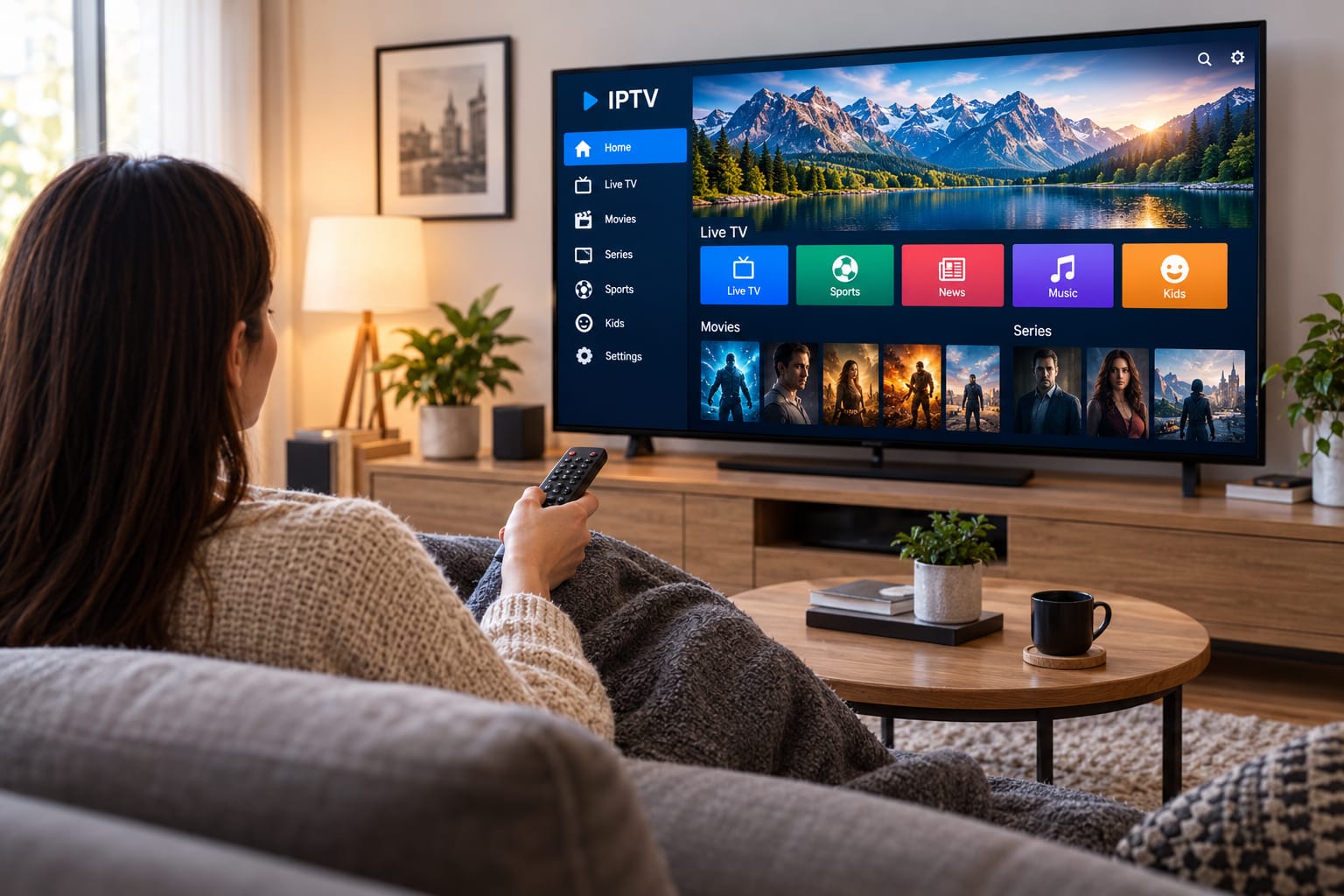
Television no longer depends on a cable connection or satellite dish alone. Many households now use internet connections to access live channels, films, series, and other digital entertainment. This shift gives viewers more ways to watch content, but it also raises new questions about streaming quality, device compatibility, and service reliability.
For readers exploring internet-based television, Xtream IPTV in Germany is one resource to review when researching available service options. As with any IPTV provider, consumers should check its content rights, subscription terms, supported devices, and service information before making a purchase.
What Is IPTV and How Does It Work?
IPTV stands for Internet Protocol Television. It delivers television content through internet protocol networks instead of relying solely on traditional broadcast methods.
Depending on the provider, an IPTV service may offer live television, video-on-demand content, electronic programme guides, and catch-up features. Some services support several devices, allowing viewers to switch between a television, smartphone, tablet, or computer.
The underlying technology is not new. However, improvements in broadband access, streaming software, and connected devices have made internet-based television easier to use.
Readers who want a technical overview can learn more about Internet Protocol Television and how it differs from conventional television delivery.
It is worth remembering that IPTV describes a delivery method, not a guarantee of content quality or legality. A service must still have the appropriate rights to distribute the programmes it offers.
Why Are Consumers Exploring IPTV in Germany?
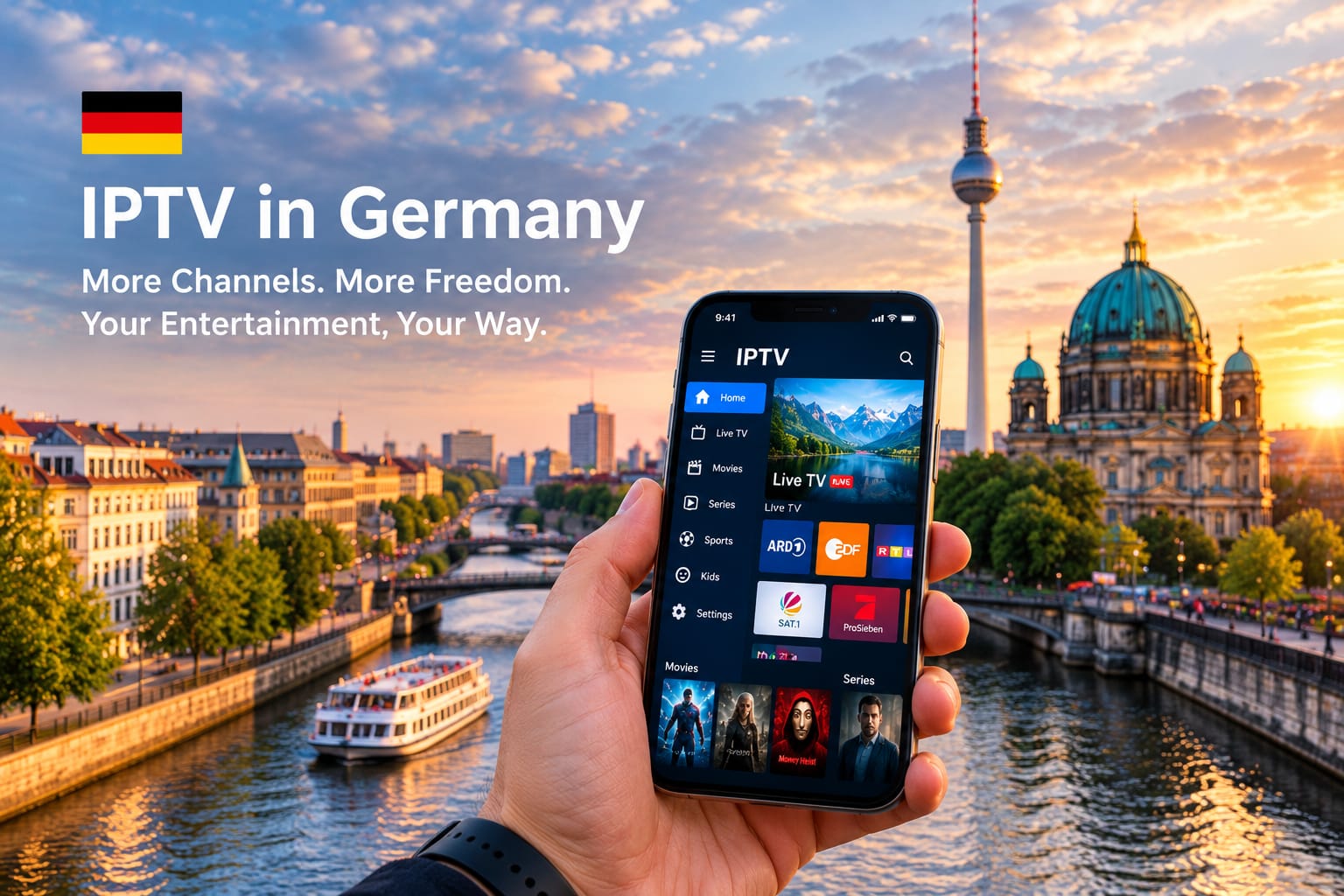
German viewers have several ways to watch television, including cable, satellite, terrestrial broadcasting, and online streaming services. IPTV adds another option for households that prefer internet-based access.
Convenience is a major consideration. A compatible service may let viewers access live channels and on-demand content through an existing internet connection. Some applications also make it easier to organise channels and navigate available programmes.
Device flexibility matters, too. Many people already own smart TVs or streaming devices, so they may not need to install additional hardware to use a compatible service.
However, the experience depends on the provider. Channel availability, supported languages, picture quality, and subscription conditions can differ considerably.
Consumers should look beyond attractive advertisements and compare the actual service features. A useful starting point is to identify the programmes they watch most often, the devices they own, and the monthly cost they are willing to pay.
IPTV vs. Cable and Satellite TV
IPTV, cable, and satellite television use different methods to deliver content. Choosing between them depends on the household, available infrastructure, and preferred viewing experience.
Cable television sends signals through a physical cable network. Satellite television receives broadcasts through a satellite dish and compatible receiver. IPTV uses an internet protocol network to deliver its content.
Internet-based television can offer flexibility across compatible devices. Some services combine live channels with on-demand viewing, reducing the need to switch between separate platforms.
Cable and satellite can still be practical choices. They may provide consistent reception in locations where broadband connections are weak or unreliable.
IPTV, meanwhile, relies on a stable connection and the provider’s streaming infrastructure. Network congestion, server problems, or weak Wi-Fi can interrupt playback.
Price also deserves attention. Consumers should compare equipment costs, subscription fees, contract length, cancellation conditions, and the content included in each package.
There is no universal winner. The right option is the one that meets a household’s needs without sacrificing reliability, transparency, or value.
Which Devices Can You Use for IPTV?
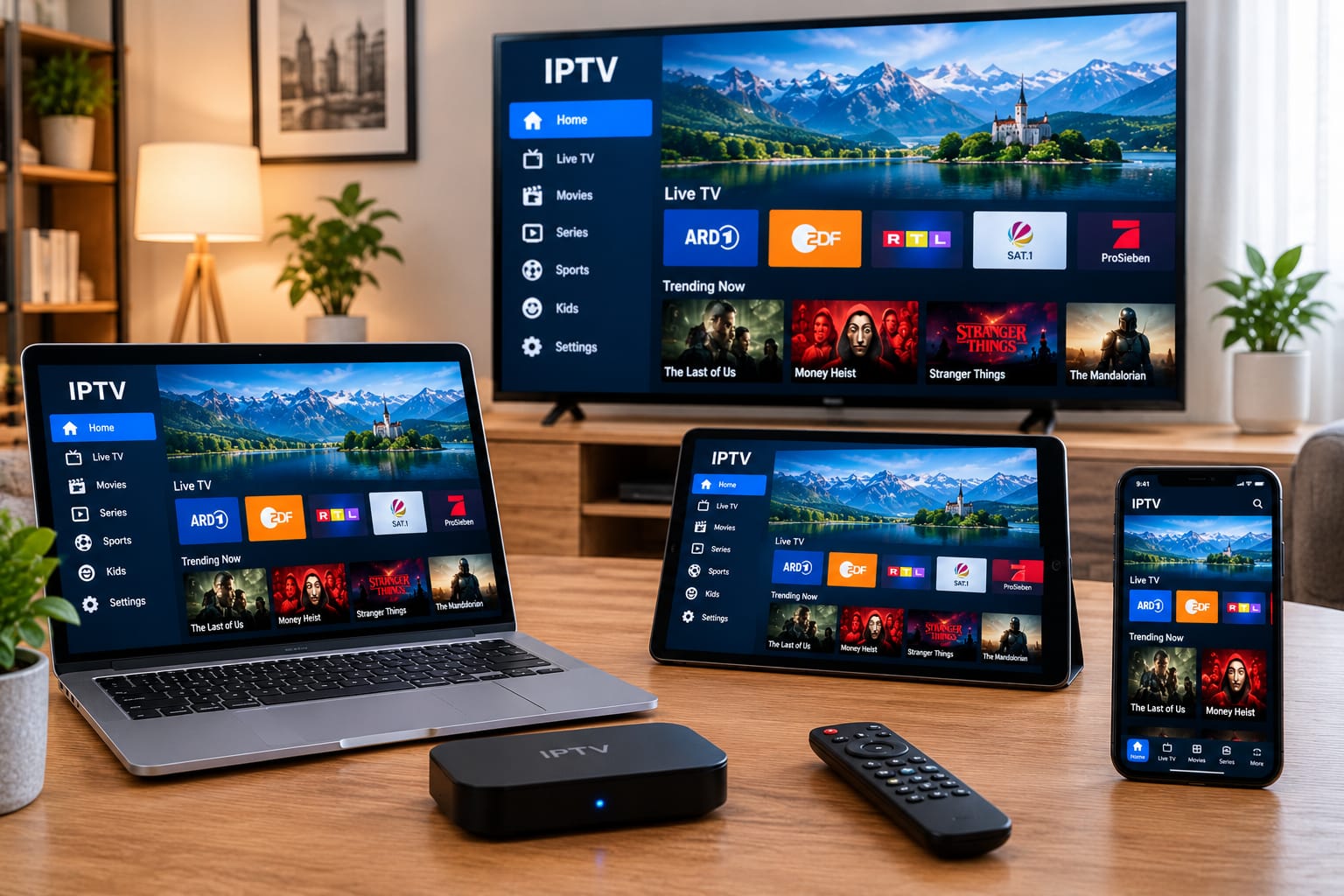
Device compatibility can make a noticeable difference to the viewing experience. Many IPTV applications support selected smart TVs, Android TV devices, Fire TV products, smartphones, tablets, and computers.
Some viewers prefer using a dedicated streaming device, while others want to watch directly through their television. Both approaches can work, provided the service and application support the chosen hardware.
Before subscribing, check the provider’s compatibility information. Confirm that your device supports the required application and login method.
It is also worth reviewing the installation process. Clear instructions can save time, especially for users who have never configured an IPTV application.
Keep your device’s operating system and applications updated. Updates can improve compatibility, fix bugs, and address security issues.
Finally, remember that an application’s availability does not establish that every service accessible through it has the necessary content distribution rights. Users should check the provider separately.
What Affects IPTV Streaming Quality?
A reliable internet connection is essential for a smooth viewing experience. But internet speed alone does not determine streaming quality.
Several factors influence playback, including connection stability, Wi-Fi signal strength, server performance, video compression, and the quality of the original content.
For example, a television may support 4K resolution, but the service must also deliver compatible 4K content. The connection must have enough available bandwidth to play it without frequent interruptions.
If a stream buffers regularly, start with the basics.
- Move the Wi-Fi router to a more open, central location.
- Try an Ethernet cable if your device supports one.
- Pause large downloads that compete for bandwidth.
- Restart your router and streaming device when necessary.
- Check whether the problem affects one channel or the entire service.
These checks can help identify common home network problems. If several channels continue to buffer, the issue may also involve the provider’s servers or delivery network.
Consumers should be cautious about promises of uninterrupted playback under all conditions. No streaming setup can guarantee that network or server problems will never occur.
How to Choose a Reliable IPTV Service
Choosing an IPTV provider requires more than comparing channel counts or promotional prices. A service may look attractive at first but still fail to meet your needs.
Start by checking content availability. Make sure the provider offers the channels and programmes you want, with the appropriate distribution rights.
Next, review device support. Confirm that the service works with your television, streaming device, or preferred application before paying.
The subscription terms also matter. Look for clear information about trial access, billing, renewals, cancellations, and refunds. Avoid providers that hide fees or make important conditions difficult to find.
Customer support is another useful indicator. Accessible contact details and clear setup instructions can help resolve technical problems.
Finally, protect your privacy. Review the provider’s privacy policy, use trusted applications, and avoid entering account credentials into unfamiliar tools.
Readers comparing IPTV services in Germany can review the service information available on Xtream IPTV in Germany. They should independently verify the provider’s licensing, pricing, and compatibility before subscribing.
Understanding Xtream Codes and M3U Playlists
Some IPTV services use Xtream Codes-compatible login details. These commonly include a server address, username, and password.
Other services provide an M3U playlist, which contains references to media streams and can be used by compatible players. The exact format and functionality depend on the provider and the application.
Some users prefer entering Xtream Codes details directly into their player. Others need help understanding the information supplied in an M3U URL.
A conversion tool may help users identify relevant connection details from a compatible playlist. For example, the Xtream Codes Generator is a resource for exploring this type of setup.
Users should understand what a tool does before entering any information. IPTV URLs can contain usernames, passwords, or other access details, so they should be treated as private credentials.
Use only trusted tools, avoid sharing active playlist links publicly, and check the application’s instructions if connection details do not work.
Correct login information can simplify setup, but it cannot fix every playback issue. Account status, server availability, application compatibility, and network performance still matter.
IPTV Security, Privacy, and Content Rights
Convenient access to television should not come at the expense of security or legal compliance.
Not every IPTV service has permission to distribute the channels, films, or sporting events it advertises. A large content library or low subscription price does not prove that a provider holds the necessary licences.
Before subscribing, consumers should look for clear business information and review the provider’s terms. They should also check whether the advertised content is legally available through that service in their country.
Account security deserves equal attention. Use strong passwords where supported, keep login details private, and download applications from trusted sources.
Be careful with unfamiliar applications that request unnecessary permissions. If a service asks for sensitive information without explaining why it needs it, reconsider whether it deserves your trust.
A VPN does not make unauthorised access or distribution of copyrighted content legal. Consumers must still comply with applicable laws and service terms.
Providers that communicate clearly about licensing, privacy, pricing, and customer support give viewers a stronger basis for making an informed choice.
What Is Next for Internet Television?
Internet television will continue to evolve alongside broadband infrastructure, smart devices, and changing viewing habits.
One area to watch is ease of use. As households adopt more streaming applications, simple navigation and a consistent experience across devices become increasingly valuable.
Streaming technology may also improve how efficiently services deliver video. Better compression and more effective network management can help providers make use of available bandwidth, although results still depend on the connection and infrastructure.
Content discovery will remain important as well. Search tools, organised libraries, and useful programme guides can help viewers find something to watch without spending too much time navigating menus.
At the same time, consumers will continue to care about cost, privacy, and content rights. A convenient interface means little if a service lacks transparency or cannot deliver the content it advertises.
The future of television will not necessarily belong to a single technology. Many households will continue using a combination of broadcast channels and internet-based services.
Providers that focus on compatibility, reliable delivery, clear subscription terms, and lawful content distribution will be better placed to meet consumer expectations.
Final Thoughts
IPTV offers another way to access television in Germany, with flexible viewing options across compatible devices. Its usefulness depends on the quality of the service, the stability of the internet connection, and the content available to the viewer.
Before choosing an IPTV subscription, compare the features that matter to you. Check device compatibility, test your connection, read the billing terms, and verify that the provider has the necessary content rights.
A little research can help you avoid disappointing subscriptions and find a viewing setup that suits your household.






Comment