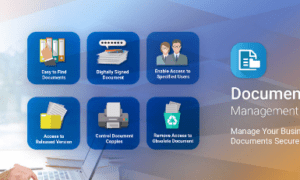
In the highly regulated U.S. medical device industry, documentation is more than an administrative task, it is a core compliance requirement. ISO 13485 provides a globally recognized Quality Management System (QMS) framework specifically designed for medical device manufacturers, and document control is one of its most critical elements. For organizations seeking structured guidance on implementation and compliance readiness, resources like https://iso-13485-consulting.mgenviro.com can offer valuable support and practical insights.
Effective document control ensures that every procedure, specification, and record used in the design, manufacture, and distribution of medical devices is accurate, current, and traceable. Without it, organizations risk audit failures, regulatory penalties, and, most importantly, patient safety issues.
What Is ISO 13485?
ISO 13485 is an international standard developed by the International Organization for Standardization that defines requirements for a QMS in the medical device sector.
In the United States, ISO 13485 is often aligned with regulatory expectations from agencies like the FDA, making it a valuable framework for demonstrating compliance with quality and safety requirements.
Key focus areas include:
- Regulatory compliance
- Risk management throughout the product lifecycle
- Traceability of devices and components
- Strict documentation and recordkeeping controls
As Puneet Gupta of MG Environmental Consulting explains, “In the medical device industry, document control is not just about managing paperwork—it’s about ensuring traceability, regulatory compliance, and ultimately patient safety.”
Why Document Control Is Critical in Medical Device Compliance
Document control ensures that the right information is available to the right people at the right time. In a regulated environment, this is essential for:
- Maintaining product quality and consistency
- Supporting regulatory submissions and inspections
- Ensuring traceability across the product lifecycle
- Demonstrating compliance during audits
Failures in document control can lead to:
- FDA warning letters or inspection findings
- Product recalls or field corrections
- Delays in product approvals
- Increased liability and reputational damage
ISO 13485 Document Control Requirements (Clause 4.2)
ISO 13485 requires organizations to establish and maintain documented procedures to control both documents and records.
Core Requirements Include:
- Document approval prior to issuance: All documents must be reviewed and approved for adequacy before use.
- Periodic review and updates: Documents must be reviewed regularly to ensure continued suitability.
- Revision control: Changes must be clearly identified, and revision histories maintained.
- Availability at point of use: Current versions must be accessible where needed (e.g., production floor, labs).
- Control of obsolete documents: Outdated documents must be removed or clearly marked to prevent unintended use.
- Control of external documents: Standards, regulations, and supplier documents must also be managed.
Policies Medical Device Companies Must Establish
Policies define the organization’s intent and commitment to document control and quality.
- Document Control Policy
Establishes governance for:
- Document lifecycle management
- Approval workflows
- Version control
- Access and distribution
- Record Retention and Control Policy
Defines:
- Retention periods based on regulatory requirements
- Storage conditions (physical or electronic)
- Retrieval processes
- Secure disposal methods
- Quality Policy
Outlines the organization’s commitment to:
- Product safety
- Regulatory compliance
- Continuous improvement
- Risk Management Policy
Aligns with ISO 13485 and ISO 14971, ensuring risks are documented and controlled throughout the product lifecycle.
Required Procedures for Document Control
Procedures translate policy into actionable steps and must be detailed, consistent, and auditable.
- Document Creation and Approval Procedure
Defines:
- Standard templates and formats
- Required content and structure
- Approval authorities and workflows
- Document Change Control Procedure
Ensures:
- All changes are reviewed, justified, and approved
- Impact assessments are performed
- Version history is maintained
- Document Distribution Procedure
Controls:
- Who can access documents
- How documents are distributed (digital or physical)
- How updates are communicated to users
- Obsolete Document Control Procedure
Prevents unintended use of outdated documents by:
- Archiving or labelling obsolete versions
- Restricting access where necessary
- Record Management Procedure
Defines:
- Record identification and classification
- Storage and protection methods
- Retention timelines
- Retrieval and audit access
Critical Records Required Under ISO 13485
Records provide objective evidence of compliance and must be complete, accurate, and retrievable.
Key Records Include:
- Design and Development Files (DHF)
- Device Master Record (DMR)
- Device History Record (DHR)
- Risk Management Files
- CAPA Records (Corrective and Preventive Actions)
- Complaint Handling Records
- Training Records
- Supplier and Purchasing Records
- Calibration and Maintenance Records
Electronic Document Control Systems (eQMS)
Many U.S.-based medical device companies are adopting electronic Quality Management Systems (eQMS) to manage documentation.
Benefits:
- Real-time access to documents
- Automated version control and approvals
- Audit trails for traceability
- Reduced risk of human error
However, systems must comply with FDA requirements such as 21 CFR Part 11, which mandates:
- Electronic signatures
- Secure access controls
- System validation
- Audit trails
Common Document Control Pitfalls
- Poor version control
- Inadequate change management
- Missing or incomplete records
- Weak access controls
- Overly complex systems
Best Practices for Strong Document Control
- Use standardized templates and naming conventions
- Implement an electronic document management system
- Define clear roles and responsibilities
- Train employees regularly
- Conduct internal audits
- Maintain audit trails
- Align processes with FDA and ISO requirements
Document Control and Audit Readiness
During ISO 13485 audits or FDA inspections, auditors will verify:
- Whether documents are current and approved
- Whether revision histories are maintained
- Whether records are complete and traceable
- Whether procedures are consistently followed
ISO 13485 document control is not just about managing files, it is about ensuring consistency, traceability, and compliance in a highly regulated environment. For U.S. medical device companies, it plays a critical role in meeting regulatory expectations, supporting product approvals, and protecting patient safety.
By implementing clear policies, structured procedures, and comprehensive recordkeeping practices, organizations can build a QMS that is both compliant and efficient supporting long-term success in a demanding regulatory landscape.