The digital marketing landscape continues to evolve at a rapid pace, with brands constantly seeking new methods to capture attention and drive meaningful engagement with their audiences. One of the most significant trends reshaping how organisations interact with potential customers is the rise of interactive content technology. The interactive content market was valued at $3.7 billion in 2025, and interactive formats are now generating 88% more engagement than static content, demonstrating a fundamental shift in how audiences prefer to consume information online.
Interactive content represents a departure from the traditional one-way communication model where brands simply broadcast messages to passive audiences. Instead, interactive content invites users to participate, explore, and engage with material in ways that feel personalised and relevant to their individual needs. This shift has profound implications for lead generation, customer insight gathering, and overall marketing effectiveness.
Understanding Interactive Content Technologies
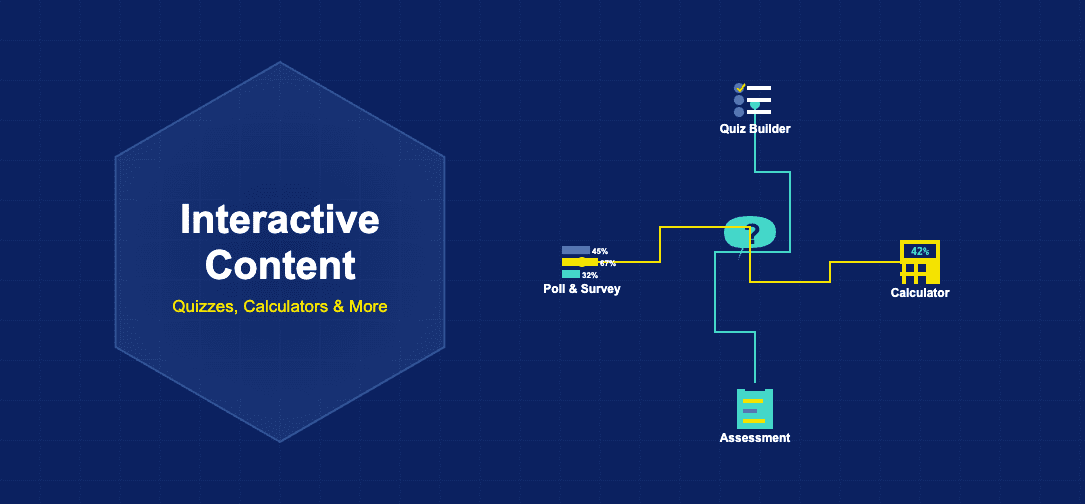
Interactive content encompasses a diverse range of formats, each designed to serve specific marketing objectives. Quizzes represent perhaps the most popular format, allowing brands to educate audiences while gathering valuable first-party data. Assessment tools take this concept further by providing personalised recommendations based on user responses, creating a more sophisticated engagement experience. Calculators serve a practical function, helping users determine pricing, ROI, or other key metrics relevant to their decision-making process.
Beyond these core formats, the interactive content ecosystem includes polls and surveys that capture instant feedback, configurators that allow customers to build custom product solutions, and interactive infographics that make complex data more digestible and engaging. Each format leverages different psychological triggers to encourage participation and information sharing.
The platform landscape for creating and deploying interactive content has matured significantly. Solutions like Outgrow specialise in builder-driven quiz and assessment creation, whilst Typeform revolutionised form design with more engaging, conversational interfaces. Ion Interactive focuses on rich media experiences, Ceros provides a creative platform for interactive storytelling, and each brings distinct capabilities to the interactive content creation space. Most modern platforms offer WYSIWYG builders that require minimal technical expertise, democratising the creation of sophisticated interactive experiences.
Lead Generation Through Interactive Content
One of the primary drivers of interactive content adoption is its exceptional performance in lead generation scenarios. Traditional static content requires users to voluntarily opt in to gated materials, creating friction in the conversion funnel. Interactive content inverts this dynamic by making the experience itself valuable enough that users willingly provide contact information and other first-party data in exchange for personalised results.
A product configuration quiz, for instance, naturally leads users through a discovery process where they answer questions about their requirements, preferences, and constraints. By the time they reach the results page, they have not only self-identified as qualified prospects but have also provided rich behavioural data that sales teams can use for targeted outreach. This represents a massive improvement over traditional lead capture methods, where information is often sparse or unreliable.
The effectiveness of interactive content for lead generation stems from its ability to reduce psychological barriers to data sharing. Rather than asking users to fill in a form with their contact information upfront, interactive content allows them to engage with compelling content first, building trust before requesting personal data. This approach typically achieves conversion rates 2-3 times higher than comparable static landing pages.
Personalisation and Data Enrichment
Interactive content serves as a sophisticated data collection mechanism that goes far beyond basic contact information. As users interact with quizzes, assessments, and calculators, they reveal their preferences, pain points, use cases, and buying criteria. This behavioural data provides invaluable insights into where prospects sit in the buyer journey and what messaging is most likely to resonate with them.
Progressive profiling techniques take this further, allowing organisations to gather additional data from the same user across multiple interactive experiences over time. Rather than overwhelming users with lengthy forms, progressive profiling adds one or two new questions to each interaction, gradually building a comprehensive customer profile without creating friction.
The personalisation possibilities enabled by interactive content extend throughout the customer journey. Marketing automation platforms can use the results from interactive content to automatically segment audiences, trigger relevant email campaigns, and personalise website experiences in real time. A user who selects specific product preferences in an interactive configuration tool can immediately see customised homepage content and recommended resources that align with their stated interests.
Technical Implementation and Integration
Successfully implementing interactive content requires thoughtful consideration of technical architecture and integration points. Most modern interactive content platforms provide simple embed codes or integration APIs that allow seamless deployment on websites, landing pages, and marketing automation platforms. These integrations typically capture form submissions and pass data directly into CRM systems and marketing automation tools.
The measurement infrastructure surrounding interactive content has become increasingly sophisticated. Advanced analytics platforms track not just completion rates and submission volumes, but also user behaviour patterns within interactive experiences. This includes time spent on each question, drop-off points, popular answer choices, and paths through branching logic. These insights help optimise interactive content performance over time.
One critical consideration when embedding interactive content is ensuring consistent brand presentation. Leading platforms offer extensive customisation options for colours, fonts, logos, and branding elements, allowing interactive experiences to feel like natural extensions of the brand rather than disconnected third-party tools. This attention to visual consistency reinforces brand identity and increases perceived credibility.
Interactive Content Strategies for Different Audiences
B2B and B2C organisations approach interactive content quite differently, reflecting the distinct needs and preferences of their target audiences. B2B interactive content typically focuses on demonstrating expertise, supporting longer decision cycles, and addressing multiple stakeholders. Assessment tools that diagnose business challenges are popular in B2B contexts, as are ROI calculators that help justify procurement decisions to finance departments.
B2C interactive content leans more heavily into entertainment and instant gratification. Personality quizzes, product recommendation tools, and interactive games perform exceptionally well in consumer contexts. The goal is often to create shareable moments that encourage social amplification, transforming users into advocates who voluntarily distribute content across their networks.
B2B interactive content frequently incorporates longer form educational elements, with multiple branches and depth. B2C interactive content tends to favour snappier, faster completion experiences that can be consumed in minutes rather than requiring sustained attention.
| Content Type | Primary Objective | Lead Gen Potential | Example Platform |
|---|---|---|---|
| Product Quizzes | Recommendation and Discovery | Very High | Outgrow |
| Diagnostic Assessments | Problem Identification | Very High | Ion Interactive |
| ROI Calculators | Business Case Development | High | Typeform |
| Polls and Surveys | Feedback and Validation | Medium | Ceros |
| Product Configurators | Customisation and Upsell | Very High | Outgrow |
| Interactive Infographics | Education and Engagement | Medium | Ceros |
Performance Metrics and Conversion Tracking
Understanding how interactive content performs requires a comprehensive measurement framework that extends beyond simple completion metrics. Organisations should track submission rates, which indicate content appeal and user intent. Equally important are engagement metrics within interactive experiences, such as average time spent, question response patterns, and the prevalence of certain answer choices.
Quality of leads generated through interactive content matters more than volume. A lead who has completed an interactive assessment tool and been scored as highly qualified should be prioritised differently than a cold email subscriber. Effective organisations establish scoring models that weight interactive content engagement appropriately within their broader lead scoring framework.
Attribution tracking becomes more sophisticated when interactive content is part of multi-touch buyer journeys. Modern marketing analytics platforms can connect interactive content submissions to eventual customers, demonstrating the true revenue impact of interactive content investments. This data is essential for building business cases for expanding interactive content programs.
| Metric | Static Content | Interactive Content | Uplift |
|---|---|---|---|
| Engagement Rate | 12% | 25% | +108% |
| Time on Page | 2.3 minutes | 5.1 minutes | +122% |
| Form Completion Rate | 18% | 42% | +133% |
| Email List Growth | 3.2 per 1000 visits | 8.7 per 1000 visits | +172% |
| Social Shares | 0.4 per 1000 views | 3.8 per 1000 views | +850% |
| Lead Quality Score | 5.2/10 | 7.8/10 | +50% |
Future Directions for Interactive Content
The interactive content technology space continues to evolve rapidly, with emerging capabilities opening new possibilities for engagement. Artificial intelligence is increasingly integrated into interactive content platforms, enabling dynamic branching logic that adapts questions based on previous responses. This personalisation at scale creates experiences that feel individually tailored despite being deployed to thousands of users.
Voice-activated interactive content represents another frontier, allowing users to engage with quizzes and assessments through natural speech rather than typing. As voice search and voice commerce continue to grow, this capability will become increasingly valuable for brands seeking to meet users in their preferred interaction modality.
Interactive content technology is also becoming more sophisticated in its ability to capture and analyse behavioural signals beyond explicit answers. Eye tracking, mouse movement patterns, and completion velocity all provide additional insights into user intent and engagement quality. These passive behavioural signals complement explicit data collection, creating richer user profiles.
Conclusion
Interactive content technology has transitioned from an interesting novelty to an essential component of modern marketing stacks. The 88% engagement uplift compared to static content, combined with superior lead generation performance and rich data enrichment capabilities, makes interactive content a compelling investment for organisations serious about driving business growth. As technology platforms mature and become easier to use, adoption will accelerate across all industries and audience types. The organisations that master interactive content deployment today will possess a significant competitive advantage as engagement expectations continue to rise and audiences increasingly reject passive content experiences.
Related reading: Personalisation Technology in MarTech: How AI Is Powering 1:1 Marketing
Data from Statista’s digital market outlook shows that global digital spending continues to grow at double-digit rates, with mobile channels accounting for an increasingly dominant share of total transactions.
PwC’s analysis of financial services trends through 2025 highlights the convergence of technology and media as a defining dynamic, with data-driven personalisation becoming the primary competitive differentiator.
For more coverage on related topics, explore our dedicated section on technology insights.