
Instant Payments Are Becoming the Standard Across Canada’s Digital Industry

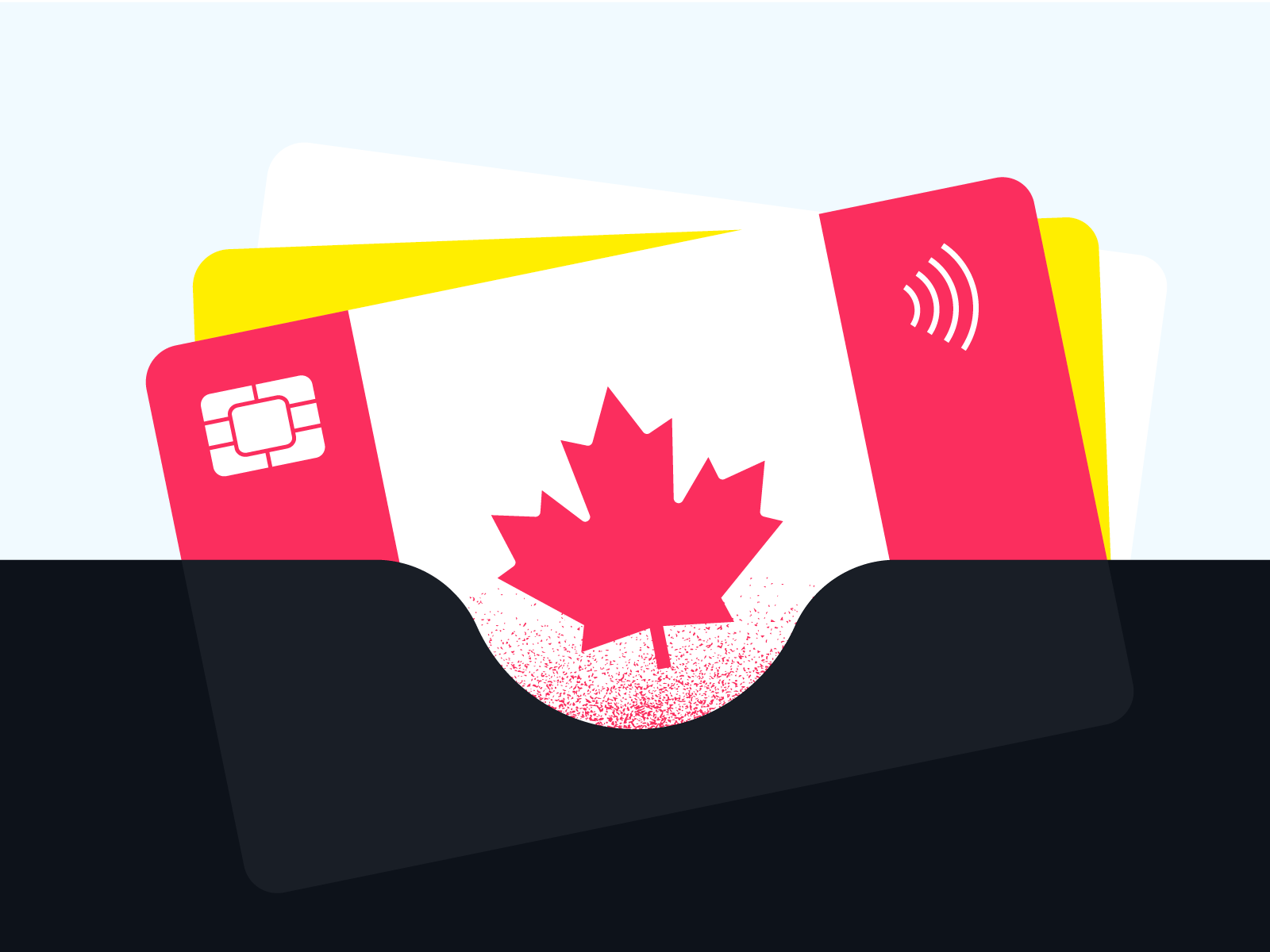
Speed changes habits. Once money can move in seconds, waiting days for a transaction starts drawing attention. Canada’s payment systems are becoming faster across the board, and that raises an interesting question: what happens when industries built on digital transactions have to keep pace with expectations created elsewhere?
Payment speed has become a competitive feature in its own right. Banks are investing in real-time infrastructure, fintech firms are building products around instant transfers, and Canada’s Real-Time Rail Payment System project is moving toward launch. The same pressure is reaching digital gaming operators, where withdrawal times are becoming almost as important as the games themselves.
Canada’s Payment Expectations Have Changed
Canadian consumers already live in a world where money moves fast. Interac reported more than 1.4 billion e-Transfer transactions during 2024, worth a combined $554 billion. Sending money to a friend, paying a supplier, or splitting a dinner bill often takes seconds rather than days.
That expectation reaches well beyond banking. Digital businesses increasingly compete on convenience, and payment speed sits near the top of the list. Broader fintech adoption, digital banking growth, and new payment technologies continue raising the standard consumers expect from online services. The result is straightforward: people become accustomed to fast transactions and carry those expectations with them wherever money changes hands.
Operators Are Being Judged on Speed
Digital gaming platforms operate inside the same economy as everybody else. A customer who can move money instantly between bank accounts is unlikely to view a lengthy withdrawal process as a premium experience. Speed has become part of the service itself.
That pressure is increasing as Canada’s payment ecosystem evolves. Interac’s decision to broaden access to Interac e-Transfer for registered payment service providers opens the door to additional innovation across the payments sector. Competition among payment providers often leads to faster processing, improved user experiences, and new ways of moving money. Digital gaming companies are paying attention because smoother transactions help remove friction from the customer experience.
Withdrawal Times Became Part of the Product
Ontario’s regulated iGaming market generated CA$3.2 billion in gaming revenue during the 2024-25 fiscal year, while casino wagers reached CA$69.6 billion. Markets operating at that scale tend to become highly competitive, and operators look for practical ways to distinguish themselves.
One area attracting increasing attention is payout performance. The fast withdrawal casinos Canadaplayers seek out are increasingly associated with reliable payment processing, support for modern transfer methods, and the ability to move winnings without unnecessary delays. Payment methods now carry marketing value of their own because customers notice the difference between receiving funds within hours and waiting several business days.
Discussion around withdrawal speeds also reflects a broader trust issue. A platform that processes payouts efficiently demonstrates operational confidence, particularly when transactions move through established systems such as Interac or recognised digital wallets.
Real-Time Payments Are Moving Closer
Canada’s payment infrastructure continues moving toward faster settlement. Payments Canada’s Real-Time Rail project is scheduled for launch during the fourth quarter of 2026 and is designed to support real-time exchange, clearing, and settlement of payments around the clock.
That development extends beyond gaming. Retailers, financial institutions, fintech providers, and online platforms all stand to benefit from payment systems that operate 24 hours a day, seven days a week. Immediate access to funds creates a different customer experience because delays become less acceptable once the underlying technology can support near-instant transfers.
The project also highlights a broader national effort to modernise payments infrastructure. Digital businesses that depend on customer transactions are likely to align their own systems with these emerging capabilities.
Faster Settlement Is Becoming a Competitive Advantage
The conversation around payment speed is no longer limited to traditional banking. Stablecoin payment providers, fintech firms, and digital transaction platforms are all investing heavily in faster settlement systems.
What makes this noteworthy is that the same principle appears across very different industries. Companies gain an advantage when money moves efficiently. Reducing delays improves cash flow, lowers uncertainty, and creates a smoother customer experience. Digital gaming operators happen to sit at a point where those benefits are highly visible because customers regularly deposit and withdraw funds.
Speed alone is not enough, but it increasingly forms part of the overall value proposition presented to customers.
Payment Infrastructure Is Now Part of the Experience
Technology discussions often focus on products, apps, or new services. The more interesting story sits underneath them. Payment infrastructure has become a visible part of the customer experience, particularly in industries built around digital transactions.
Canada’s movement toward faster payments, supported by Interac innovation and the forthcoming Real-Time Rail system, illustrates that trend clearly. Digital gaming provides a useful example because withdrawal times are easy to measure, easy to compare, and increasingly difficult for operators to ignore.
The wider lesson extends beyond gaming. Any business that handles digital payments now operates in a market where transaction speed influences perception, trust, and customer loyalty. As Canada’s payment systems evolve, expectations will evolve alongside them.







Comment