
Inside the Passenger Technology at San Diego Airport’s New Terminal 1

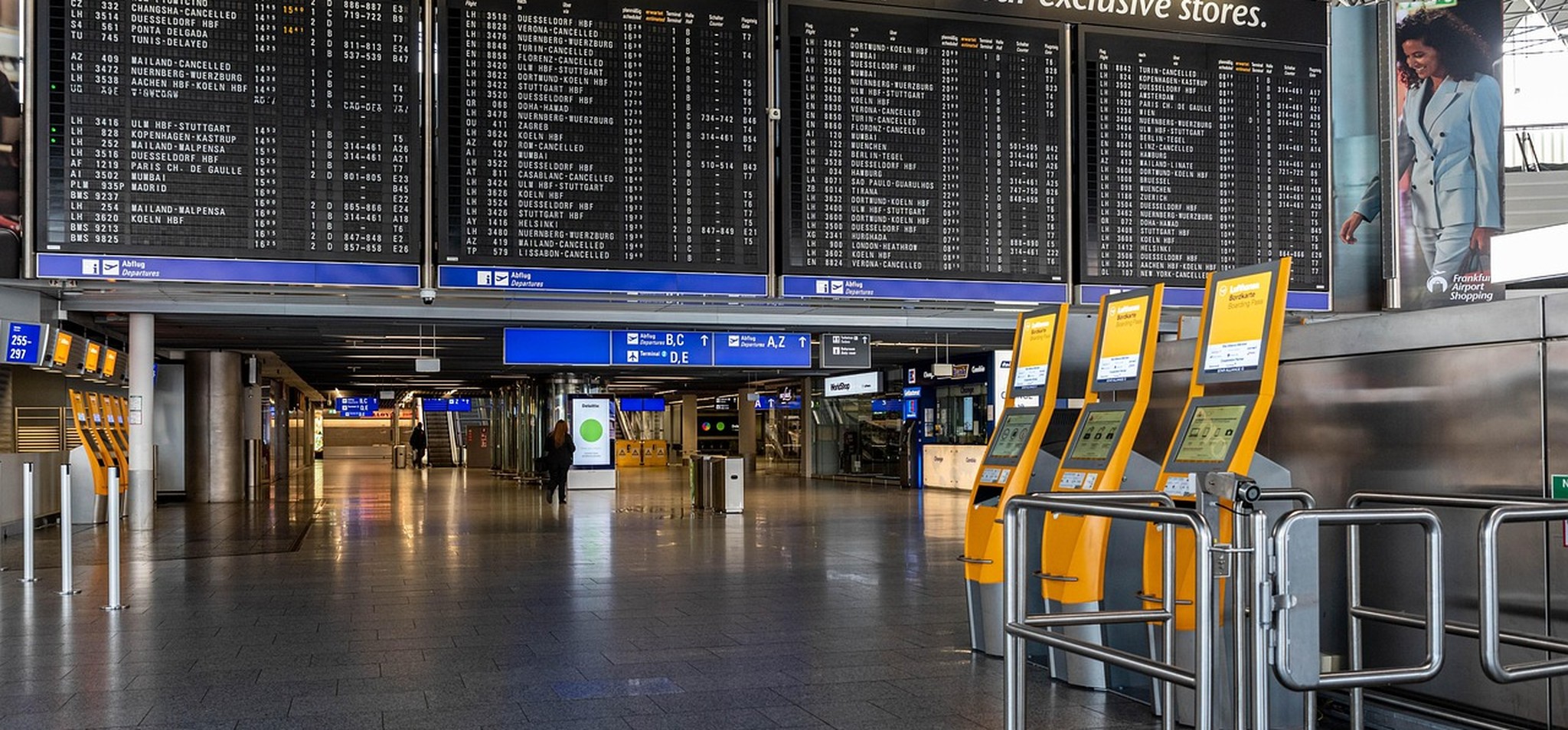
Fourteen months after the first flight pulled up to its gates, the new Terminal 1 at San Diego International Airport still catches returning flyers off guard.
Its predecessor opened in 1967, and regular flyers knew the cramped ticket lobby and single-file security line by heart.
San Diego County Regional Airport Authority officials put the price of the replacement at $3.8 billion. Most of that money went into concrete and glass, yet passengers mostly talk about the screens and scanners that shape each step from curb to gate.
Curbside Arrival Starts on a Split Roadway
Since the summer of 2025, airport traffic has used a new three-lane entrance road that pulls cars away from North Harbor Drive. Crews laid over four miles of fresh roadway around the terminal during construction.
Departures sit on the upper deck and arrivals on the lower one, so drop-offs and pickups no longer fight for the same curb. Travelers coming from Point Loma or Harbor Island reach the entrance within minutes, while hotels in the Gaslamp Quarter sit roughly three miles away.
Drivers heading into the Terminal 1 Parking Plaza follow color-coded signs and a guidance system that flags open spaces by level. Officials list 5,200 spaces in that garage, plus over 250 EV charging stations for travelers who arrive in their own electric cars.
Sixty-Nine Kiosks Before Anyone Reaches a Counter
Inside, the ticketing hall feels closer to a bright gallery than a bus station. Its glass facade, called Luminous Wave, uses 537 curved and fritted panels that soften glare on the overhead screens. Those screens matter, because most check-in decisions now happen on them.
- Sixty-nine self-service kiosks print boarding passes and bag tags for participating airlines at the same machine.
- Sixty-six ticket counters use shared common-use equipment, so airlines can swap counters as flight schedules change.
- Seven baggage carousels downstairs can move about 4,000 bags per hour, according to airport figures.
Shared equipment sounds dull on paper, yet it decides how quickly a delayed flight finds a new counter.
Thirteen Security Lanes and Live Wait Screens
Security once meant a long shuffle under low ceilings, and few locals miss that routine. Terminal 1 now opens 13 checkpoint lanes, and digital displays show current wait times before anyone joins a line. Live wait numbers change traveler behavior in small but noticeable ways throughout the day.
- Families can check whether a short wait leaves time for a coffee stop first.
- Business travelers on early departures can plan their arrival time around real data instead of guesswork.
- Travelers enrolled in TSA PreCheck can compare both lines before deciding where to stand.
Signs, kiosks and displays all draw from the same live flight data, so a gate change appears everywhere at once.
Where Car Service Pickups Happen Now
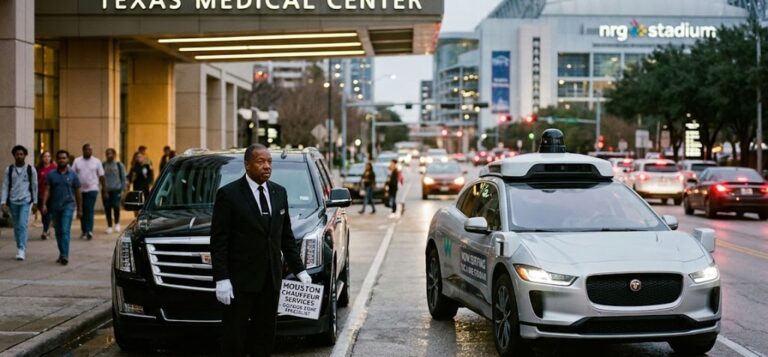
Ground transportation changed with the building, and arriving travelers usually learn the new pattern on the curb. Shuttles and app-based rides load at the Ground Transportation Island, reached by a marked pedestrian crosswalk outside baggage claim. Airport rules require every limousine or sedan operator to hold permission for pickups on airport property, and drivers cannot solicit riders at the curb.
- Confirm the operator holds a California charter-party carrier permit from the state utilities commission.
- Share the flight number so dispatch can follow early landings and long taxi times.
- Agree on a meeting point inside baggage claim or at the island before the plane lands.
Local operators such as VIPRide4U Limousine plan their airport work around those rules, and many visitors now book a private airport limo service in San Diego before the flight leaves.
Face Scans at the Gate Remain Optional
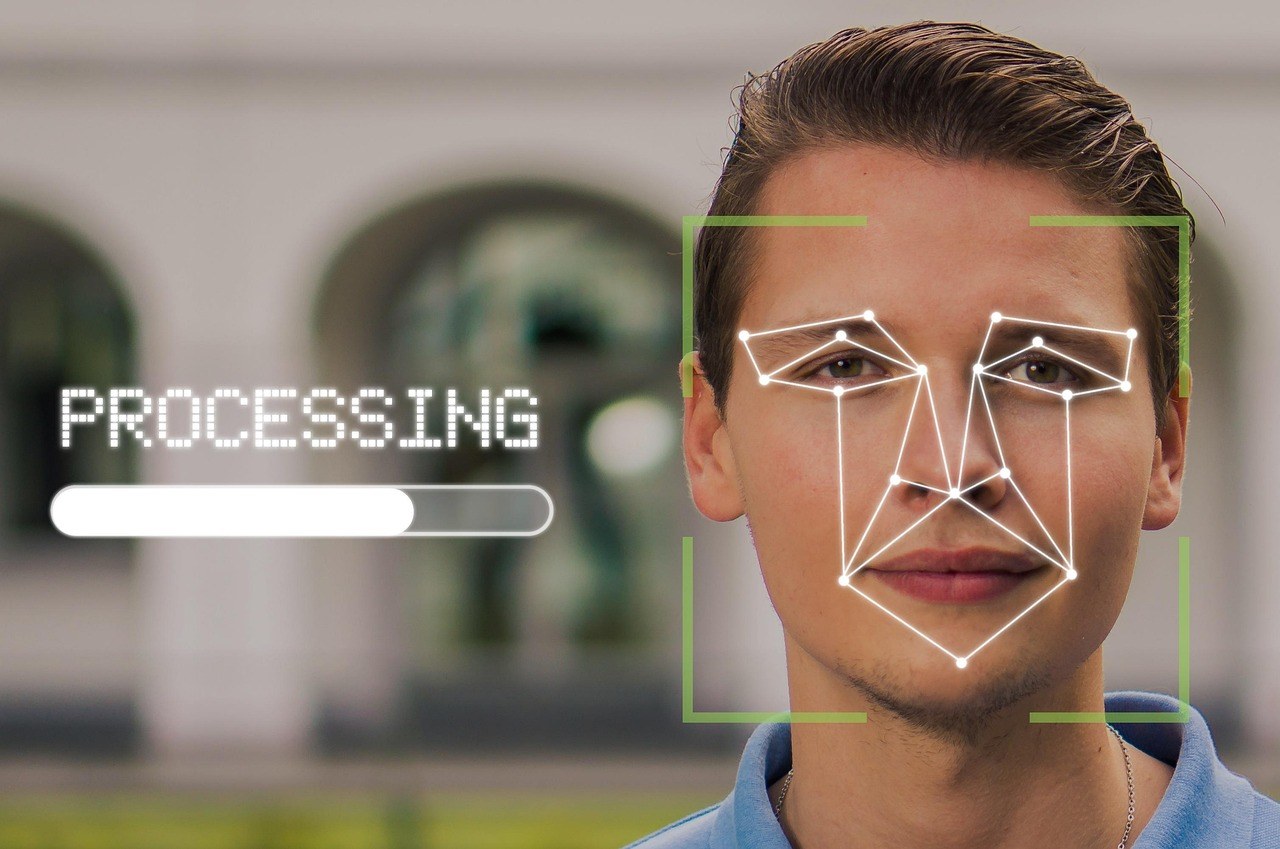
Select gates in the new building carry biometric face pods that match a traveler’s face against an identity photo already on file for the flight. Boarding with a face scan takes seconds and skips the boarding pass shuffle at the jet bridge door. Travelers who prefer the old way can still hand over a pass and ID, since participation stays voluntary.
Readers who want the wider picture can read up on newer biometric identification at airports and how other terminals have adopted it.
What Opens Next Between Now and 2028
Airport Authority plans listed three more gates for spring 2026 and the final eight for early 2028, bringing Terminal 1 to 30 gates. Seventeen restaurants and shops already line the concourse, and an outdoor dining deck faces San Diego Bay and the downtown skyline.
For drivers at VIPRide4U and every other permitted operator, the next phase means new gate numbers to memorize and fresh walking times to quote. Most passengers will judge the building by one plain measure, which is how quickly they get from the curb to a seat. On that count, Terminal 1 finally matches the city it serves.
Previously in Business news: Why Local Car Services Are Weighing AI Voice Agents for Phone Bookings




Comment