
Is Waymo in Houston Replacing the Need for a Private Chauffeur?

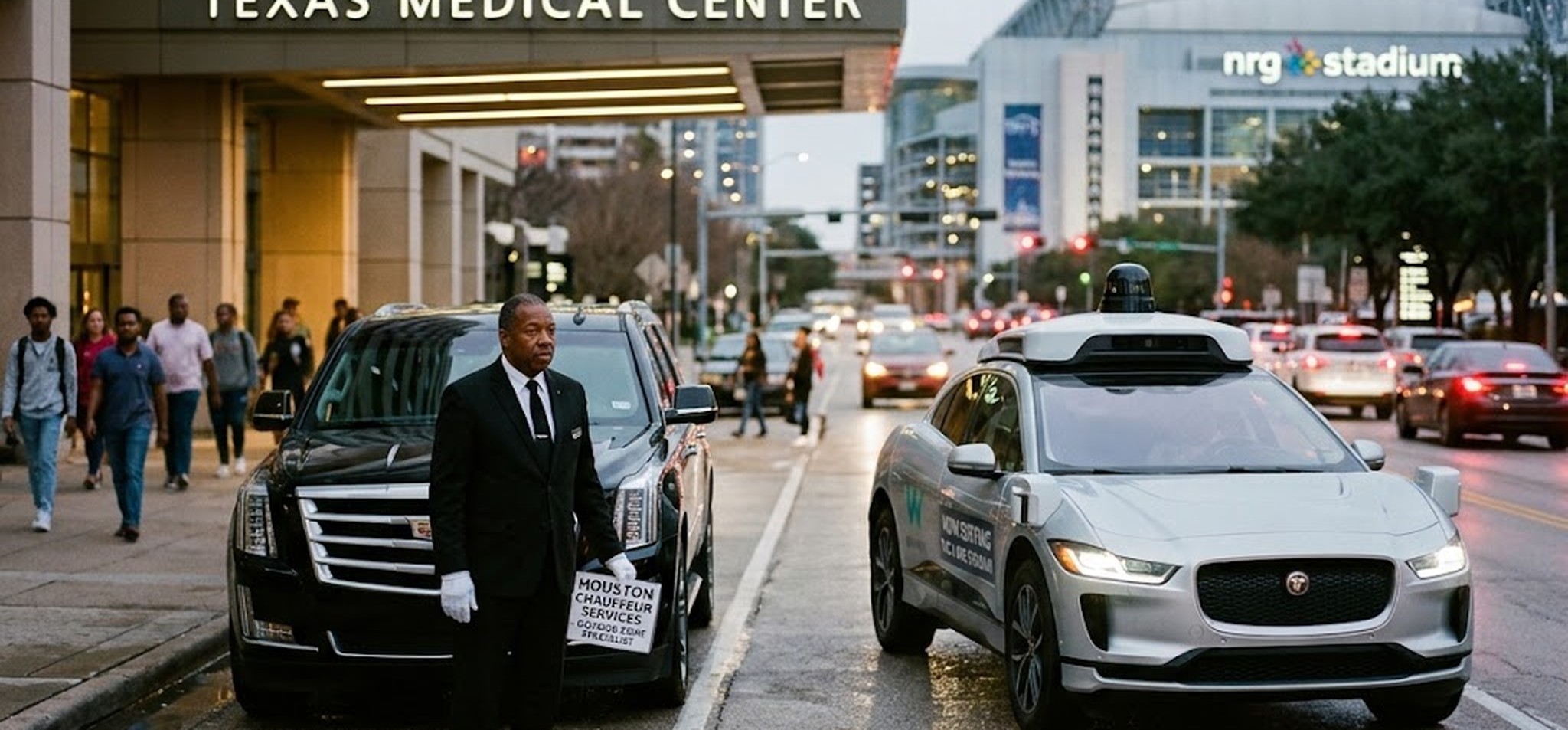
On May 14, 2026, the driverless taxi operator announced that NRG Stadium and the Texas Medical Center would join its Houston service area. That addition nearly doubled the zone to almost 50 square miles. Houston covers 640.2 square miles of land, according to the U.S. Census Bureau, so the zone reaches roughly 8 percent of the city. About 92 percent of the city's land lies outside the published map. Walking the map area by area answers the chauffeur question better than any slogan or press line does.
The Original Zone Around Downtown And Montrose
The service opened in February 2026 by invitation. Access came through codes, across roughly 25 square miles covering Downtown, Montrose, the Heights and Rice Military. That original zone reached under 4 percent of the city's land. On August 20, 2026, the operator opened its app to everyone in Houston and reported over 100,000 riders from its interest list since February.
All four districts lie close to downtown, so the original zone was a compact central one. Operator statements add that Houston hosted over 1 million World Cup visitors and that many of them used the service to reach games. All of these ridership figures come from the operator itself, not an outside count.
East Downtown, The Medical Center, And NRG
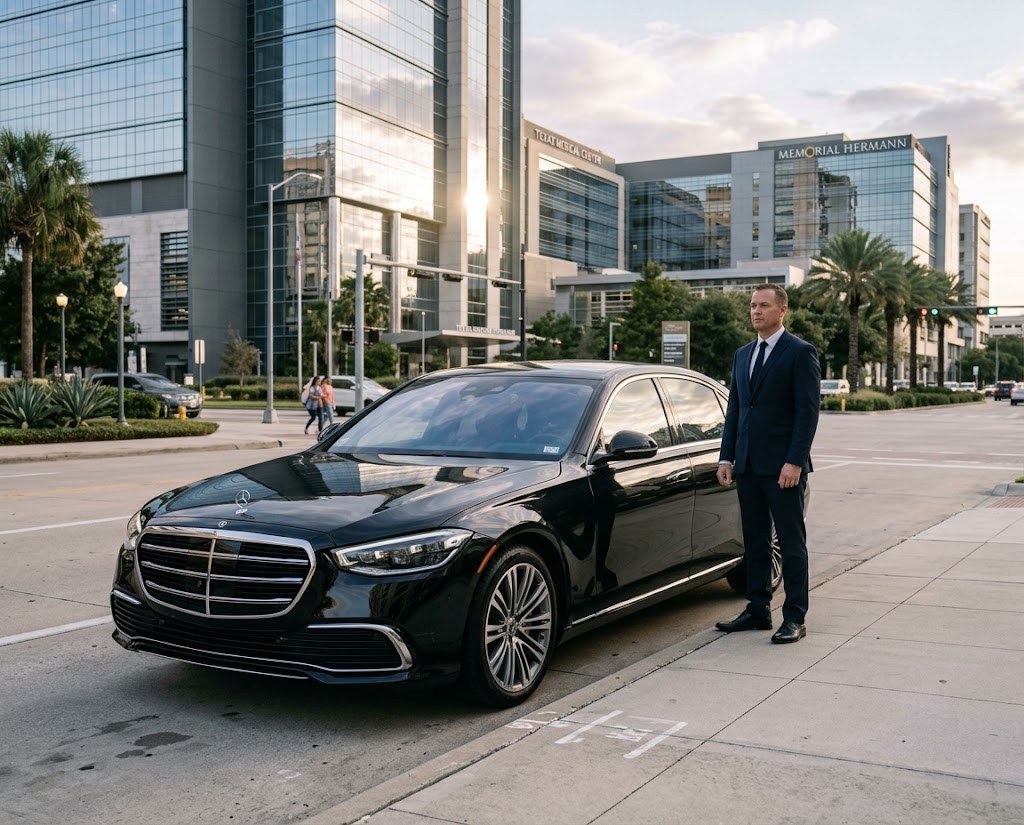
That May announcement added East Downtown, the Texas Medical Center, northeast Houston and NRG Stadium. Pro Ride Limo already lists the Medical Center and NRG Stadium in its coverage area, and its chauffeured transportation services in Houston handle appointments and outpatient visits door to door.
That announcement arrived while the operator was undergoing a recall after an unoccupied vehicle entered a flooded roadway during severe weather in Texas, and no injuries were reported.
What Hobby And Bush Airports Say Today
Houston Airports' taxi and ride-app pages for Hobby and Bush Intercontinental, read in November 2026, make no mention of driverless vehicles. May's announcement from the operator named neither airport and listed no freeway routes.
Taxi fares from Hobby are listed at $29 to downtown and $35 to the Medical Center or NRG Park. Galleria trips cost $59, and all three fares exclude gratuity. Pro Ride Limo has operated since 2015 and tracks flights for pickups at both airports. It covers all five terminals at Bush Intercontinental and arranges meet and greet inside the terminal on request.
Katy, The Woodlands, And Galveston Trips
Coverage in the company's published list also reaches The Woodlands, Sugar Land, Katy, Cypress, Spring, Pearland, Clear Lake, Conroe and the Port of Galveston, where it handles cruise transfers. None of those places appear among the neighborhoods the operator has named.
Chauffeur names and contact details arrive 12 hours before pickup, followed by live trip updates, according to the booking steps on the company's site.
Group travel works differently, since the company's fleet description lists sedans for three, SUVs for six and a Sprinter Limo for up to 14. Larger crowds ride together on a party bus, and none of the announcements read for this article describes a vehicle for a group of that size.
State Rules Now Govern Driverless Fleets
Texas now requires a company to hold an authorization from the Texas Department of Motor Vehicles before it operates automated vehicles commercially. Enforcement began on May 28, 2026, ninety days after the final rules took effect on February 27, 2026. Applications carry no fee, and each authorization stays valid until the department revokes it.
Three requirements matter most to riders and emergency crews.
- Companies must certify that the Texas Department of Public Safety has received a plan for how emergency personnel should interact with the vehicle.
- Applicants must acknowledge that each vehicle can reach a minimal risk condition if the automated system fails.
- State officials can suspend or revoke an authorization when a vehicle endangers the public, and anyone can submit safety concerns to the enforcement division.
Companies facing that outcome can ask for a state hearing, which must take place within 60 days or the authorization is reinstated. Material changes need a report within 30 days. State authorization means the same rules apply to operators in every Texas city.
For the wider picture, one investor's view of the state of self-driving cars on this site calls widespread adoption slow and deliberate. On the published map, the service adds a choice inside part of Houston. Its announcements name no airport, and they name no suburb or port either, so the longer trips on a chauffeur's calendar fall outside it. Nothing in the record read for this article shows a Houston rider replacing a chauffeur so far.
Previously in Business news: Boston Traffic Congestion Costs Drivers Dozens of Hours Every Year




Comment