At a crowded technology conference, the hardest product to explain is often the one people cannot see. Cloud infrastructure, automation tools, and enterprise software may be essential to how companies operate, but on a busy event floor, their value can feel abstract.
Yanwen Hang works at that exact point where technical products meet real people. As an experiential brand strategist and visual architect in the global technology sector, she designs event experiences that make complex software easier to approach, understand, and remember.
Her work is guided by what she calls the “Outside-In” Empathy Method. The idea is direct: start with the attendee, not the product sheet.
What would make someone stop? What would feel clear instead of overwhelming? What kind of interaction would make a technical conversation feel natural?
These questions shape Hang’s approach to live event design. At major enterprise technology events, attendees pass screens, demos, badge scanners, sales teams, giveaways, and technical messages from every direction. Even strong products can get lost in that setting when the experience feels too dense or too cold.
Hang looks at the booth as the first physical meeting point between a company and its audience. It has to do more than look polished. It has to help people understand where to go, what to notice, and why the product matters.
That approach became especially clear at AWS re:Invent, a major cloud computing conference with more than 60,000 international attendees and hundreds of companies competing for attention. In that environment, many brands respond by adding more screens, more copy, more diagrams, and more explanation.
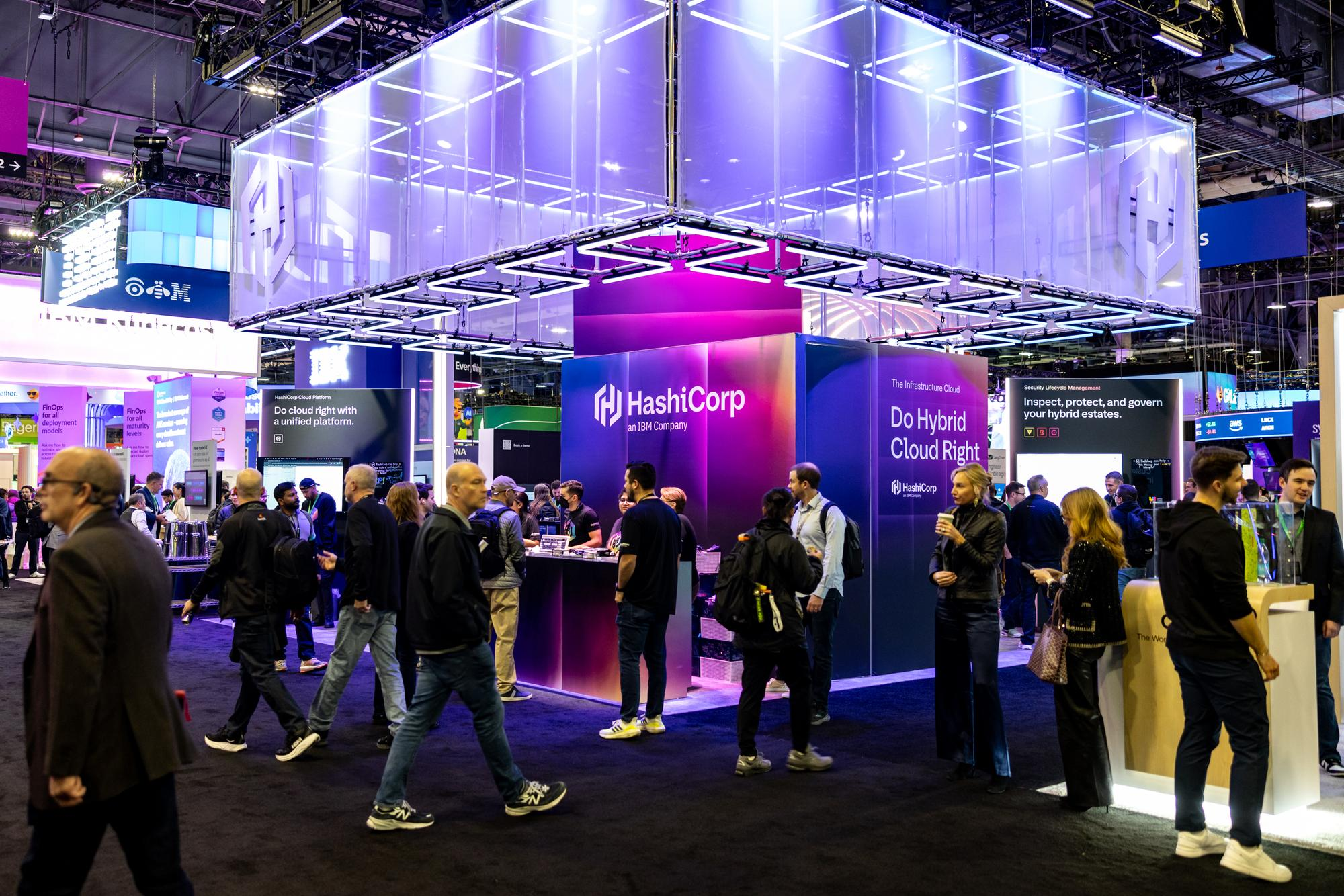
AWS Re:Invent 2025 – Image | wenhang
Hang took a more audience-centered path.
Her booth strategy translated invisible cloud automation into something physical, playful, and easier to engage with. The experience used hands-on activations, collectible custom swag, and clear visual storytelling to give attendees a natural way into the conversation.
The goal was simple: make the technology easier to approach without making it feel less important.
At a conference like AWS re:Invent, a booth has only a few seconds to earn attention. Before an attendee listens to a product explanation or speaks with a sales team, they make a quick decision. Does this feel interesting? Does this feel clear? Is this worth my time?
Hang was designed for that moment.
The physical activations created curiosity. The custom swag gave people something memorable to interact with. The visual system helped organize a complex message in a more accessible way. Together, these elements gave attendees, engineers, developers, buyers, and sales teams a warmer starting point.
The results showed the value of that approach. According to the campaign figures provided, the booth generated 12,700 total scans, surpassing the corporate target of 12,000 and reaching 105% of the goal.
For Hang, the result points to a practical idea: event design can support business outcomes when it is planned around the audience.
This matters in enterprise technology because many products are hard to visualize. Cloud infrastructure, automation systems, identity tools, and backend platforms often work behind the scenes. Their value is real, but their presence is not always easy to show on a conference floor.
Hang helps close that gap by creating clear entry points. Instead of relying only on technical explanations, she gives people something they can see, touch, collect, or experience. That first moment can make a complex product feel less distant.
One example is her use of collectible swag.
In many event programs, swag is treated as a basic giveaway. Hang treats it with more care. A well-designed collectible item can give someone a reason to approach a booth. It can create a positive moment. It can stay with the attendee after the event, reminding them of a useful conversation they had with the brand.
Swag does not replace a strong product or clear messaging. It can, however, make the first interaction easier.
This same thinking shaped Hang’s work around HashiConf 2025, where live event design connected with a larger digital-to-live strategy. According to the supplied campaign data, the strategy helped drive an 866% increase in pre-event web traffic, reaching 160,000 page views, and generated more than 235,855 social and live impressions.
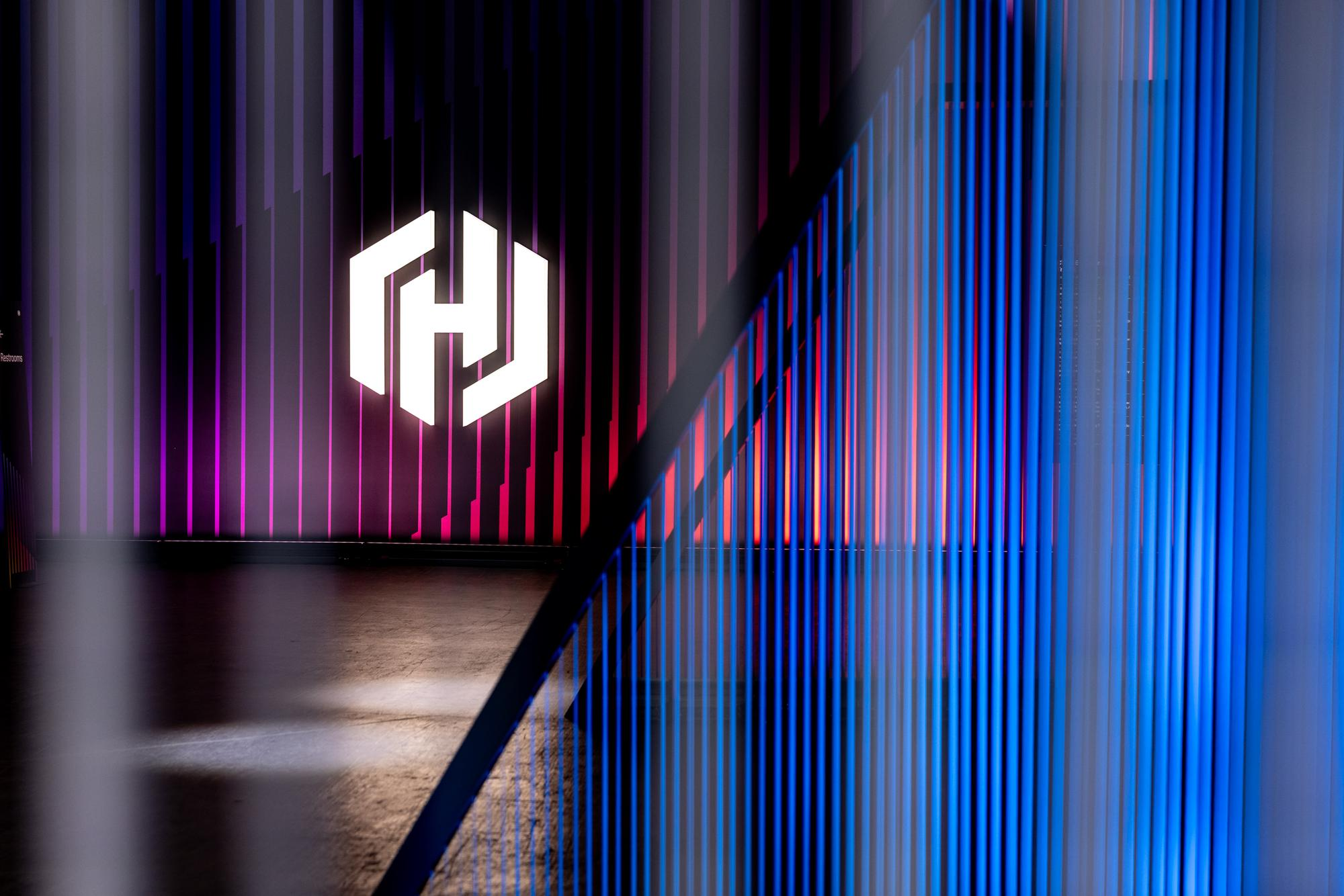
HashiConf – Image | wenhang
The campaign also attracted enterprise leads from organizations including JPMorgan, Goldman Sachs, Deloitte, and Meta.
These results show that Hang’s work is tied to more than visual appeal. Her focus is on engagement, lead generation, and business growth. She designs for the full path from noticing the brand, to approaching the experience, to starting a meaningful conversation.
Hang now brings that approach into her work as a brand and experiential visual designer for IBM. Following IBM’s acquisition of HashiCorp, she has worked on the visual and experiential direction for major enterprise product rollouts and developer conferences. This includes her work on the Brand Guideline for HashiConf at IBM TechXchange 2026.
That kind of work requires balance. After a major acquisition, developer communities, enterprise buyers, and internal teams pay close attention to how a brand shows up. They look for signs of continuity, clarity, and confidence. They want the experience to feel connected to the brand they know while also fitting into a larger company structure.
Hang’s role is to help shape that experience in a way that feels professional, clear, and human.
Her strength is bringing warmth into spaces that could easily feel overly technical. She understands that enterprise audiences still respond to curiosity, clarity, trust, and a sense that their time is being respected.
That is why the Outside-In Empathy Method remains central to her work. It keeps the focus on the person experiencing the event rather than only on the company presenting the product.
As enterprise software becomes more complex, this kind of thinking becomes more important. Companies still need strong technology, clear messaging, technical proof, and business value. At a crowded conference, those strengths matter most when people stop long enough to engage.
Hang’s work shows how live event design can create that opening. By making technical products more approachable, she helps brands build better conversations with the audiences they want to reach.
Her long-term goal is to make human connection a stronger part of how technology companies launch software. For Hang, effective tech events are about helping people understand, remember, and trust what a company is offering.
In a crowded industry where many brands compete for the same attention, Yanwen Hang’s approach offers a clear lesson: start with the audience, make the experience human, and design every interaction with purpose.
Featured Image: Yanwen Hang | LinkedIn