
How Windows Teams Can Build a Safer Office Software Download and Document Workflow

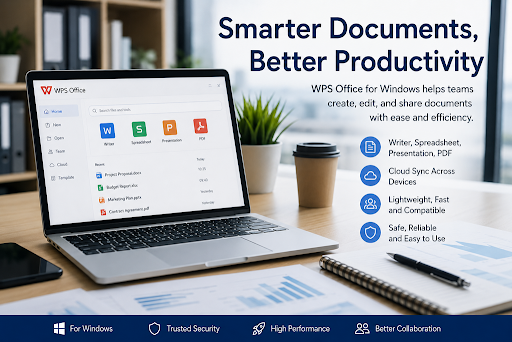
Office software remains one of the most important tools for modern teams. Whether people are preparing reports, editing spreadsheets, reviewing presentations, managing contracts, or sharing internal documents, productivity software is used every day across laptops, desktops, and mobile devices. For many Windows users, installing an office suite feels like a routine task. They search for a download page, install the software, open a document, and begin working.
However, the first step in this workflow is often the most overlooked. If users download office software from unclear sources, outdated pages, mirror sites, or misleading buttons, they may expose their devices to unnecessary risks. For businesses, remote teams, students, and freelancers, an unsafe software download can lead to installation errors, compatibility problems, unwanted bundled programs, or even security issues.
A safer office software workflow should begin before the first document is opened. Teams need a simple process for choosing a reliable download source, checking the installer, keeping software updated, and managing files across devices.
Why Office Software Download Safety Matters
Office software is closely connected to daily work. It may open business proposals, invoices, contracts, resumes, school files, financial spreadsheets, and presentation materials. Because these documents often contain important information, users should treat the software installation process carefully.
When a user downloads an office tool from a random website, there are several possible risks. The installer may be outdated, modified, bundled with unrelated software, or designed to redirect users to additional programs. In some cases, users may click a fake download button instead of the real file. This can create confusion, slow down setup, and increase security concerns.
For Windows users looking for wps 电脑版下载, the download process should be handled with the same care as any other business software installation. The goal is not only to get the software installed, but also to make sure the source, file, and setup steps are trustworthy.
Start With a Clear Download Source
One of the easiest ways to reduce risk is to define where users should download their office software. Many teams allow each employee to search independently, but this can lead to inconsistent results. One person may download from a guide page, another from a software directory, and another from a mirror site. Over time, this creates confusion about which version is correct.
A better approach is to prepare a simple internal download guide. This guide can list the preferred source, supported operating systems, basic installation steps, and update reminders. For small teams, this can be a short document or onboarding checklist. For larger teams, it can become part of the IT setup process.
The source page should clearly explain what the software is, which platform it supports, and what users should expect during installation. Pages filled with unrelated ads, fake countdowns, aggressive pop-ups, or multiple confusing download buttons should be avoided.
Check the Installer Before Running It
Windows users should not run every downloaded file immediately. Before opening an installer, they should check a few basic details. The file name should match the software being installed. The file type should be appropriate for Windows. The download location should make sense. If the file arrives inside a suspicious archive or uses a confusing name, users should pause before continuing.
During installation, users should also read each step instead of clicking through quickly. Some installers may offer optional components, browser changes, or unrelated tools. Even when software is legitimate, users should avoid installing unnecessary extras that are not part of their intended workflow.
For business environments, administrators can create a standard setup process. This may include saving the approved installer, recording the version used, and giving users clear instructions about what options to select. This makes installation easier for non-technical users and reduces repeated support questions.
Make Document Compatibility Part of the Workflow
Office software is not only about installation. Teams also need to think about document compatibility. Files may move between different users, devices, departments, and clients. A document created on one computer may need to be opened on another laptop, edited on a mobile device, or shared with someone using a different office suite.
To avoid formatting issues, teams should define basic file rules. For editable files, they can use commonly supported formats. For finalized documents, PDF may be more suitable. For collaborative review, users should agree on version names and avoid sending too many duplicate files through email or chat apps.
Clear document rules help reduce confusion. Instead of having several versions named “final,” “final-new,” and “final-revised,” teams can create a simple naming structure with dates, project names, and version numbers. This improves productivity and prevents mistakes during review.
Keep Software Updated Without Creating New Risks
Updates are important for stability, security, and compatibility. Outdated office software may have problems opening newer document formats, syncing files, or supporting recent operating system changes. However, users should update from a consistent source rather than searching for a new installer every time.
A common mistake is reinstalling software from random search results whenever an issue appears. This can expose users to the same download risks again. Instead, teams should guide users to the approved update method or download source. If a user needs to reinstall the software, the process should be the same as the original setup process.
Users searching for wps 官方下载 should pay attention to version consistency, device compatibility, and installation instructions. A clean update process helps teams avoid broken setups, outdated files, and unnecessary troubleshooting.
Separate Personal and Work Files
Many people use the same computer for both personal and work tasks. This is common for freelancers, remote employees, students, and small business owners. However, mixing personal and work files can create problems when documents are stored, shared, or backed up.
Teams should encourage users to create separate folders for work documents, personal files, drafts, and archived materials. Sensitive business documents should not be stored randomly on the desktop or in public download folders. If cloud storage is used, users should understand which folders are synced and who has access.
Document organization may seem basic, but it has a direct impact on productivity. A well-organized file structure helps users find documents faster, avoid sending the wrong version, and reduce the risk of accidental sharing.
Use Templates to Improve Consistency
For teams that regularly create reports, proposals, invoices, presentations, or internal documents, templates can save time and improve consistency. Instead of starting from a blank file each time, users can work from approved layouts that already include headings, formatting, page structure, and branding elements.
Templates also reduce formatting problems. When everyone uses different fonts, spacing, table styles, and file structures, documents become harder to review. A shared template library helps teams create cleaner, more professional files with less manual correction.
This is especially useful for small businesses that do not have dedicated design or operations teams. A few well-prepared templates can make everyday document work faster and more reliable.
Train Users to Avoid Unsafe Document Habits
Office software security is not limited to the download page. Users should also be careful with the documents they open. Files received from unknown senders, public forums, suspicious emails, or unexpected chat messages should be reviewed before opening. If a document asks users to enable macros or change security settings, they should understand why before accepting.
Teams should remind users not to download templates, fonts, or document tools from random sources without checking them. A fake invoice, resume, or spreadsheet can sometimes be used to trick users into opening unsafe files. Basic awareness can prevent many avoidable problems.
For daily work, users should keep important files backed up, avoid editing sensitive documents on shared computers, and use password protection only when appropriate. These habits make document workflows safer without making them overly complicated.
Create a Simple Office Software Policy
A useful office software policy does not need to be long. It can be a one-page guide covering download sources, installation steps, update rules, document naming, file storage, and security reminders. The goal is to create consistency, not bureaucracy.
For new employees or remote collaborators, this guide can be part of onboarding. For existing teams, it can be shared as a productivity improvement checklist. Over time, the policy can reduce setup mistakes, repeated questions, and document management issues.
Small teams often benefit the most from simple rules because they may not have full-time IT support. A clear process helps everyone work more confidently across Windows laptops, office desktops, and personal devices.
A Safer Workflow Improves Productivity
Office software is central to modern work, but productivity depends on more than features. A good workflow begins with a safe download, continues with a clean installation, and becomes stronger through updates, document organization, templates, and user awareness.
For Windows teams, the best approach is straightforward: use a consistent download source, verify the installer, avoid unnecessary bundled tools, keep software updated, and manage documents with clear rules. These steps reduce risk while making everyday work smoother.
As teams continue to work across devices and locations, office software setup should be treated as part of the broader productivity system. When users know where to download, how to install, and how to manage documents properly, they can spend less time troubleshooting and more time getting work done.







Comment