
How Vehicle Technology Failures Can Lead to Crashes

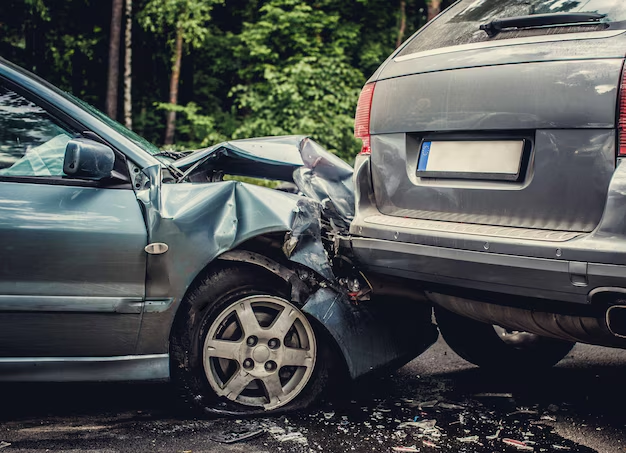
Vehicle technology is supposed to be making driving safer for everyone on the roads. While it’s a great thing to have automatic emergency braking and blind spot warning systems in place, it’s important to remember that they aren’t foolproof. Now that many vehicles have 100 or more electronic control units that are all in contact with network communications, mechanical failures are becoming a serious threat to drivers and other people in their path.
Today, it’s important to acknowledge that vehicle technology is helping to prevent many accidents and limit the severity of the ones that do occur. After all, modern airbags and camera systems have prevented catastrophic injuries in many high-risk situations. Yet, it’s also just as important to avoid becoming overly reliant on this technology.
Technology failures can occur for a variety of reasons. A car manufacturer might fail to recall a part that poses a risk. Or, software can fail due to cyberattacks, faulty programming or network issues. Just like having a headlight bulb burn out at the worst possible moment, having a braking system go haywire can lead to serious accident risks that lead to major injuries.
Knowing about how vehicle technology failures can lead to crashes helps you be alert for signs of a sudden problem. Plus, you’ll be able to quickly identify a potential tech failure during a time when you might need to work with a car accident lawyer to handle a personal injury case. An experienced attorney can provide guidance for car accident victims. Either way, remembering that technology is fallible can help you stay safer, especially when you love your high-tech car.
What Are Common Vehicle Technology Failures?
Some of the most common auto technology failures include malfunctions during critical moments that drivers aren’t able to correct with normal maneuvers. For instance, automated emergency braking systems can experience electronic glitches that cause phantom braking. Having your vehicle’s braking system bring it to a complete and sudden stop increases your risk of being in a rear-end accident. Or, you could inadvertently find yourself sitting in an intersection with cars coming at you if it happens during a turn.
Autonomous driving sensors can also fail, and this is becoming increasingly concerning with more self-driving vehicles on the road. When sensors fail to pick up external cues, you might experience issues with self-driving features that you thought would keep you safe. For instance, the sensor might trigger the car to go at an excessive speed or ignore lane departures.
Software issues can also cause problems with steering, acceleration and navigation. Although they are still relatively rare, drivers should also be aware that cyberattacks are a growing threat when so many vehicles rely on systems that communicate with virtual networks.
How Can You Prevent Technology Failures While Driving?
If the thought of your high-tech vehicle suddenly accelerating to unsafe speeds scares you, it’s good to know that there are many ways to stay safe and embrace what technology has to offer drivers today.
The most important thing you can do is understand the current limitations. Advanced driving assistance systems are meant to make it easier to steer your vehicle and make maneuvers on the road. But, they are not meant to fully replace a driver. In fact, many systems are vulnerable to issues such as direct sunlight, heavy rain or freezing precipitation. Staying alert can be your best defense against an accident when you are able to quickly take over the controls.
Proper vehicle maintenance is also essential. Just as you need to inspect and maintain the primary braking system, you also need to take care of your car’s sensors. Radar sensors are often located on parts of your car that can get blocked or covered up by debris, such as the windshield and bumpers. Keeping the sensors clear of mud, insects and other debris helps them be able to detect essential changes in the road conditions.
You’ll also want to stay up-to-date on any new recalls or alerts about tech failures. Following up on a recall can help you restore your car’s safety, and many software issues are resolvable with on-air patches that might not require much time at all to complete.
Who Is Responsible for Damages That Occur Due to Tech Failure?
Technology failures can often cause confusion regarding who is responsible for a collision. For instance, you might feel responsible for not hitting your brakes in time when the issue is really related to a failure with the system. Although it is hard, trying to notice what happened just before an accident could help you identify a technology glitch that contributed to the incident.
When you suspect that a technology issue contributed to the collision, it’s important to begin seeking legal representation. Car accident cases that involve third parties can get complicated, especially when you are dealing with a massive parts supplier or auto manufacturing company. However, it is also important to address these types of issues to ensure that they don’t happen to others. Since the damage from a tech-related collision can include costly property damage and significant personal injuries, investigating to find out the underlying cause can help you recover compensation that is essential for your well-being.
As vehicle technology advances, it’s possible that accidents will one day be a rare event. However, that day is still many years in the future. Drivers should absolutely embrace using all of the safety features that are available today. After all, backup cameras are reducing vehicle-pedestrian accidents, especially those that involve children. Additionally, having lane change assistance can reduce side swipes that could easily turn into rollover crashes.
Using this technology with a cautious mind is still the best approach to driving. While tech can help you safely maneuver around an obstacle or brake faster than you would on your own, it’s still important to remain alert for signs of a technological glitch. If you experience an accident, then it is also important to hold the parts and vehicle manufacturers and suppliers responsible. Making sure that responsible parties are required to make their mistakes right helps technology to continue advancing to the point that accidents may become a thing of the past.







Comment