
How Trenching Equipment Can Improve Project Efficiency

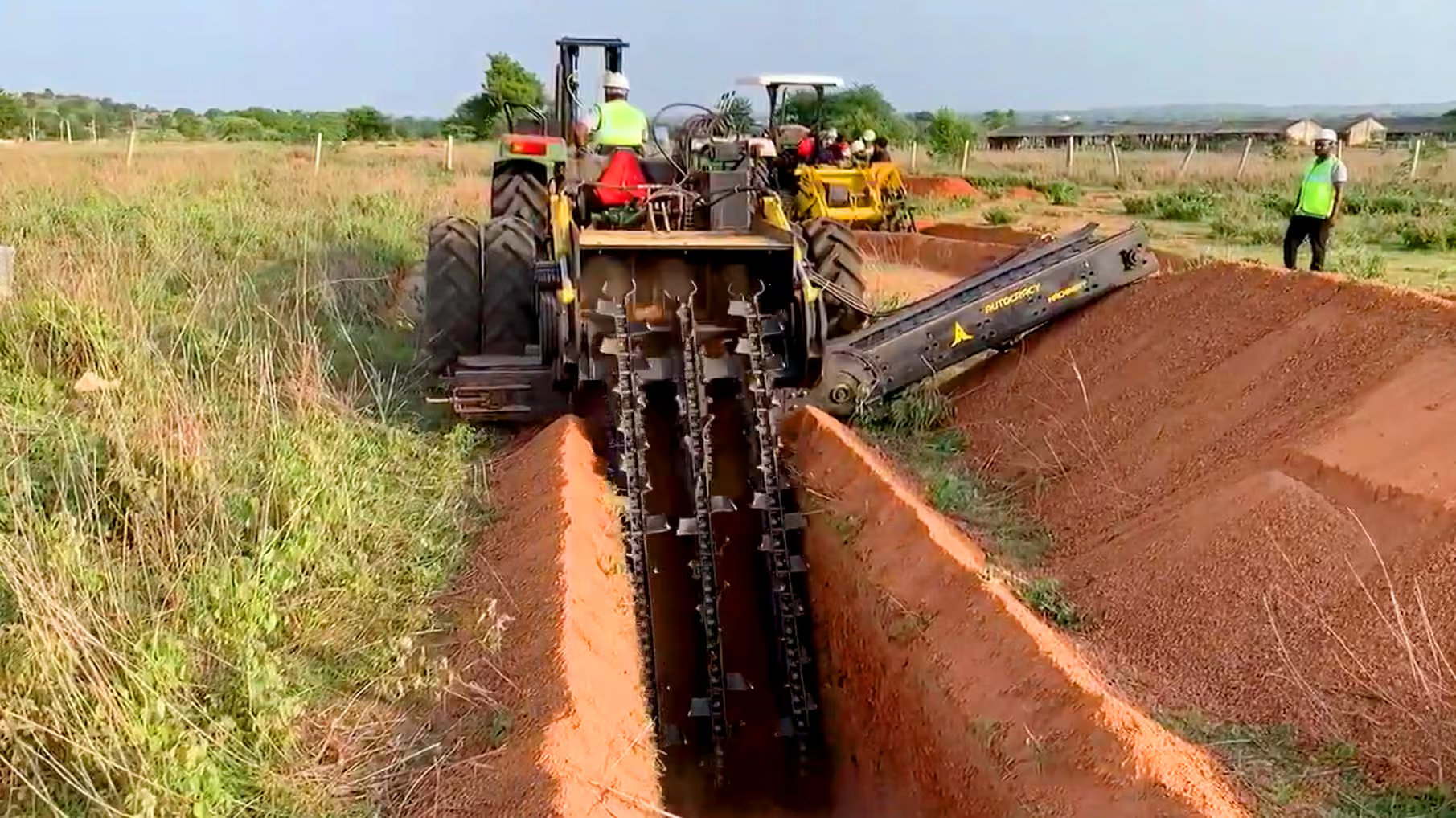
When it comes to construction and excavation projects, time is money. Every day spent on a job site can lead to increased costs and delays. That’s where trenching equipment steps in as a game-changer. Designed to dig trenches efficiently for utilities, drainage, or foundation work, these machines transform the way tasks are completed. With advancements in technology and design, modern trenchers offer speed and precision that manual labor simply can’t match. If you’re looking to boost your project’s productivity while ensuring quality results, understanding how trenching equipment works could be your next big breakthrough. Let’s dive into the world of trenchers and explore their impact on project efficiency!
Types of Trenching Equipment and Their Uses
Trenching projects often require a range of specialized equipment to ensure efficiency and precision. One common type is the walk-behind trencher, ideal for small jobs like installing irrigation systems or utility lines in residential areas. Its compact size allows for easy navigation in tight spaces.
For larger tasks, trencher hire from Sunstate Pipelines come into play. These machines feature steel chains with sharp teeth that dig deep trenches quickly and effectively. They’re perfect for laying foundations or large pipelines.
Another option is the wheel trencher, which uses a rotating wheel with blades to cut through soil. This type excels on softer ground and can create wide trenches without excessive disruption.
Hydro excavation trucks use high-pressure water combined with vacuum technology to safely remove soil without impacting surrounding utilities. They are particularly useful in sensitive environments where traditional digging may pose risks. Each piece of equipment serves its unique purpose, enhancing project productivity significantly.
Benefits of Using Trenching Equipment
Trenching equipment offers a significant boost in project efficiency. It simplifies the process of digging trenches for various applications, from utility installation to landscaping.
Using specialized machinery speeds up excavation times drastically. This allows teams to move onto subsequent tasks more quickly, reducing overall project timelines.
Precision is another key advantage. Trenchers create uniform cuts that minimize damage to surrounding areas, lowering the risk of costly rework and site disruption.
Moreover, these machines enhance worker safety. By mechanizing labor-intensive digging tasks, they reduce physical strain on operators and decrease the likelihood of accidents associated with manual digging methods.
Additionally, trenching equipment often comes equipped with advanced features like adjustable depth controls and GPS integration. These technologies ensure accuracy while providing valuable data for planning and execution.
Investing in proper trenching equipment leads to smoother operations and better resource allocation throughout your projects.
Safety Considerations when Using Trenching Equipment
Safety is paramount when working with trenching equipment. The nature of these machines means that operators must be vigilant at all times.
Proper training is essential. Ensuring that all team members are familiar with the equipment minimizes risks significantly. Regular safety drills can reinforce this knowledge and keep everyone alert.
Personal protective gear cannot be overlooked. Hard hats, gloves, and steel-toed boots should always be worn on site to protect against unexpected hazards.
Excavation sites can pose numerous dangers like cave-ins or falling debris. Implementing shoring systems helps stabilize trenches and prevent collapses, ensuring worker safety throughout the project.
Always maintain a clear communication line among crew members. Establishing signals for machinery operation enhances coordination and reduces accidents during high-pressure situations.
Regular inspections of equipment are crucial to identify wear or damage before they lead to larger issues down the road.
Factors to Consider When Choosing Trenching Equipment for Your Project
When selecting trenching equipment for your project, several factors come into play. First, assess the scope and scale of your project. The size of the trench required will determine the type and capacity of equipment you need.
Consider the ground conditions as well. Rocky or compact soil may require more robust machines than soft or loose earth. Undersanding local regulations is also crucial since certain areas might have restrictions on equipment use.
Budget constraints are another important aspect to factor in. While it’s tempting to choose cheaper options, investing in reliable machinery can save money over time by reducing maintenance costs and downtime.
Think about operator experience. Some machines require specialized skills to operate effectively and safely, so consider whether your team has the necessary training or if you’ll need additional support.
By keeping these considerations in mind, you’ll be better equipped to select trenching equipment that enhances efficiency while ensuring safety throughout your project.







Comment