
How to Build a More Functional Garage Workspace

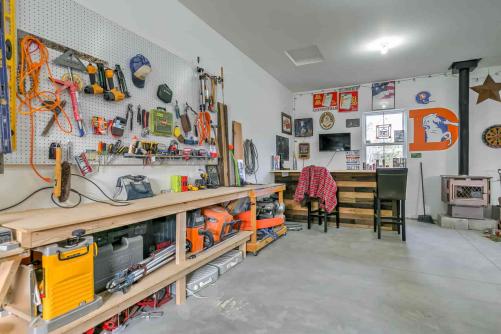
The garage is often the most overlooked space in a home. It’s not just a storage area for old boxes and forgotten trinkets; it can be transformed into an efficient workspace that fuels creativity and productivity. Imagine stepping into a well-organized garage where tools are at your fingertips, projects are easily manageable, and inspiration flows freely.
Whether you’re a DIY enthusiast, hobbyist, or someone who simply needs extra room to tackle household tasks, creating a functional garage workspace can elevate your daily activities. This guide will help you assess your space, identify essential tools, implement smart storage solutions, and design an effective layout for all your projects. Let’s roll up our sleeves and get started on building the ultimate garage sanctuary!
Assessing Your Garage Space and Needs
Before diving into a garage makeover, take a moment to assess your space. Look around and consider what you currently have. What items do you use most often?
Think about how much space is available. Measure the dimensions of your. Understand where windows and doors are located; these factors can influence layout decisions. Find out more garage tools with Joels garage gear , premium car hoist and garage storage tool supplier in Australia.
Next, identify your needs based on projects or hobbies you pursue. Are you a DIY enthusiast needing room for tools? Or perhaps you’re an auto buff wanting dedicated vehicle workspaces?
Observe any problem areas like cluttered corners or unorganized shelves. This will help pinpoint what solutions will be necessary to create a functional workspace.
Jot down ideas or sketches that resonate with your vision for improvement. This initial assessment will guide every step of the transformation process ahead, ensuring it meets both practical and personal requirements.
Essential Tools and Equipment for a Functional Workspace
Every functional garage workspace needs the right set of tools. Start with a sturdy workbench as your foundation. It should be spacious enough for various projects, whether you’re assembling furniture or repairing bikes.
Invest in a quality toolset that includes essentials like screwdrivers, pliers, wrenches, and hammers. This variety will cover most tasks you’ll encounter.
Power tools can elevate your efficiency significantly. A drill is crucial for numerous applications—think hanging shelves or building structures. Additionally, consider adding a circular saw and sander to tackle woodwork projects with ease.
Don’t overlook safety equipment such as goggles and gloves. Protecting yourself while working is paramount to maintaining productivity.
Include some basic measuring devices like tape measures and levels in your toolkit. Precision saves time—and frustration—in any project you undertake in your garage workspace.
Storage Solutions for a Clutter-Free Workspace
A clutter-free workspace starts with smart storage solutions. Consider wall-mounted shelves to maximize vertical space. This keeps your tools and supplies off the floor while making them easily accessible.
Pegboards are another great option. They allow you to hang tools in an organized manner, creating a visual inventory of what you have on hand. Use hooks and baskets for versatility.
Don’t overlook bins and boxes for smaller items. Clear plastic containers help you see contents at a glance, reducing time spent searching for that missing screwdriver or drill bit.
Label everything! This simple step makes finding things easier and encourages everyone who uses the garage to put items back where they belong.
Think mobile with rolling carts or toolboxes. These can be moved around as needed, providing flexibility when working on different projects throughout your garage workspace.
Setting Up Workstations and Layout Considerations
Creating a functional garage workspace hinges on how you set up your workstations and layout. Start by identifying specific tasks you’ll perform. Will you be woodworking, tinkering with machinery, or maybe doing home repairs? Each activity requires its own dedicated space.
Think about the flow of movement in your garage. Avoid cluttered walkways and ensure tools are within arm’s reach. Position larger equipment against walls to maximize floor space but maintain easy access for use.
Consider incorporating multi-functional workbenches that can serve various purposes—like a bench that doubles as storage or has built-in power outlets for convenience. If possible, designate zones: one for heavy-duty projects and another for finer tasks like crafting or electronics repair.
Lighting is crucial too; bright overhead lights combined with task lighting at each workstation will help reduce eye strain while enhancing precision during detailed work.
Organizing vertically can save space as well; wall-mounted pegboards allow you to hang tools neatly without sacrificing valuable real estate on your bench.
A well-thought-out layout not only enhances efficiency but also makes your time spent in the garage more enjoyable and productive. Tailor every detail to fit your needs, ensuring that every inch serves a purpose in creating an inspiring workspace where creativity thrives.







Comment