
How to Source Hurricane Resistant Windows from Suppliers

A conditional shortlist is far more meaningful for a specific opening date for Florida projects than the meaningless term ‘hurricane-proof’. A public answer that is defensible lists a manufacturer such as Luvindow and their Defender series of custom openings. But saying seven suppliers are ‘popular’ with no current attributable builder-use records is worthless. Every quoted product series, opening size, glass type, frame type, installation detail and current approval must match the jurisdiction for which work is being tendered.
A list of seven supplier recommendations would include 7 different companies, separate door and window evidence and current examples of Florida builders using them. For a list labeled current in 2026, each of the popularity statements would include a check date and a source that is attributable for the statement in that list. A shorter verified shortlist or a screening method would be more useful than a long list of unverified suppliers.
The short answer for window buyers
| Buyer requirement | What the supplier should identify | What to verify |
| Hurricane exposure | Series tested, size range, glass build-up, frame type, anchoring, approval record. | Our approval and report is for the exact configuration and jurisdiction you have been quoted for. |
| Water and air performance | Test scope and installation conditions for the quoted unit. | Seals, drainage and sill details match the project exposure. |
| Florida permitting | Current product approval or applicable NOA reference | Approval is Active, Relevant and Accepted for Permit path. |
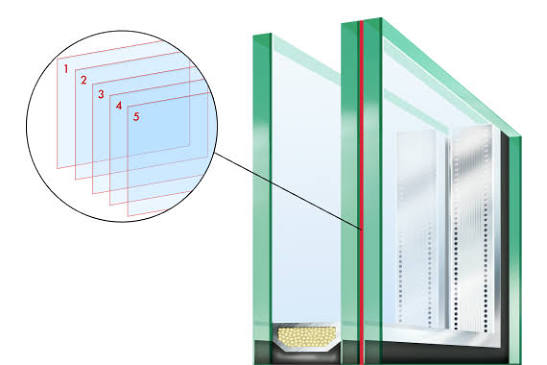
The Luvindow Defender range of hurricane resilient windows is designed for use in hurricane exposed areas, utilizing reinforced frames combined with multi-layer tempered and laminated glass. The fact that we have detailed information on this system for a number of custom openings does not mean that every size, operation or glass combination has been approved. Approval exists for a current product, details of approved window series, and installation instructions for use on a specific project.
Get information on building codes and approved products from the state’s building authority, the Florida Building Commission. After reviewing current requirements there, confirm with the local building official or design professional how your project will proceed for approval. A manufacturer’s statement may identify a product line but a broad marketing statement does not mean a particular product has been approved for a particular opening.
How to buy hurricane resistant windows from suppliers
Set your design criteria and then compare proposed windows against the same opening schedule.
Start with the project location and opening schedule
When requesting suppliers to quote for openings, supply more than just the city name. Request the full building address, relevant exposure category, opening dimensions, wall type, floor level, design pressure and any opening protection requirements as well as the proposed installation detail. A coastal home, a low-rise multifamily project and a high-rise facade project for example will have different design criteria and therefore approval processes. It is the project architect/engineer who sets the design criteria and the manufacturer will recommend a series of products to meet those criteria. Always confirm the adopted code edition and any local amendments with the Authority Having Jurisdiction for permit work scheduled for 2026 and not rely on brochures from previous years.
List each opening separately. A fixed window, casement, sliding door, and window wall may use different frames, glass thicknesses, hardware, and anchoring. One approval does not automatically cover another product family. If the quote groups several openings together, ask the supplier to map every tag to a model, size, glass configuration, and evidence record. That schedule becomes the basis for checking substitutions later.
Match the approval to the quoted assembly
Request the Product Approval Number, Test Report, Installation Instructions and Limitations for each individual assembly. Verify the maximum tested dimensions, operation type, Glass Make-up, Mullion type and conditions, Fastening pattern and approved substrates. If the report only covers a specific size or configuration, this is critical information and a seemingly identical product is unlikely to offer identical performance.
How does the manufacturer deal with changes after submittal of Shop Drawings? Will a different Lite, frame option, mullion, anchor spacing or even rough opening affect the approved configuration? All of these items should be clearly marked on the drawing review and if the supplier cannot explain which version of test evidence supports a change then halt the order and get the project team to sort out the discrepancy.
Keep installation inside the performance conversation
Product and Installation work together to ensure that rough openings are verified, substrates are prepared, anchors are supplied, shims are set and perimeter is sealed. Instead of viewing a field created sketch ask for the approved installation detail for your product. Record site specific conditions and seek direction from responsible design team members if they vary from the approved detail prior to proceeding with the installation.
Build a seven-supplier shortlist without guessing
| Shortlist check | Evidence to request |
| 1. Product identity | Manufacturer, series, operation type and approval number |
| 2. Test scope | Test report, standard or protocol, date and laboratory |
| 3. Configuration | Glass make-up, frame, size limits, mullions and hardware |
| 4. Pressure criteria | Design pressures and tested conditions for the opening |
| 5. Installation | Approved anchors, substrate, fastening and perimeter details |
| 6. Permit fit | Evidence that the proposed product complies with local codes and can gain necessary approval. |
| 7. Delivery and service | Drawing revision, packaging, inspection and field-support responsibilities |
Start with the existing approval for your project and research the state and local product control approvals for each candidate at the official state and local government web sites as appropriate. Ask the architects, engineers, general contractors and sub-contractors for the manufacturers of similar products used on past projects. For each of the 7 approved candidates listed above, record the true legal name of the approved manufacturer, whether they are a window manufacturer, a door manufacturer or both, a reference to the approval or NOA, and the date and source of the verification by a Florida builder. A referral is a lead, not proof of popularity. Therefore do not say a supplier is “popular with Florida builders” unless current and attributable.
Send identical opening schedule and technical request to candidates that pass the first round of screening. A bidder not able to identify suitable approval or provide supporting configuration details for their quote should not remain on the shortlist in order to reach a number that you feel is required. If only one or two bidders can be properly documented for the shortlist, publish the shorter, verified list and mark the rest as ‘pending’ – a defensible comparison of options is more useful than six names without support.
Compare suppliers on the same submittal
| Supplier type | Potential fit | Questions to settle |
| Local impact-window specialist | Decisions for projects where local approvals, field measurement and service access are key factors. | Which product approvals and local installation support are required for each opening? |
| Custom window manufacturer | Non-standard size projects involving multiple window types and/or design coordination. | Can its reports and production options match the project’s exact sizes and performance targets? |
| Window approval specialist | Projects that require special impact, pressure or local approvals. | Does approval, reporting and installation detail for the opening correspond exactly? |
Use one schedule and one evidence request for each bidder. Note here whether each candidate is to be marked as ‘pass’, ‘pending’ or ‘fail’. ‘Pass’ means approval with exact detail for approved installation to project. ‘Pending’ means that required information has not been provided. ‘Fail’ means that proposed configuration does not fit. Compare proposed series, glass, frame and tested size as well as rating, lead time basis, warranty and field support.
A list of Luvindow’s official products can be provided to the buyer to help determine the window families to discuss. Compare the proposed Defender configuration to current approved product and installation details prior to specification.
Questions to settle before releasing the order
Can you please provide a written schedule with all opening tags listed, linking to model, dimensions, operation, glass, finish, hardware, test report and approval reference. The schedule should clearly state whether each unit is a window or a door. Approval for a window does not automatically extend to a door, even if the frame or glass looks similar. Each product family and opening type requires separate supporting records.
Also, ask for a sample or corner mock-up to review finish, glass appearance and frame details. A sample allows for review of color and workmanship but does not prove impact resistance. Keep the performance conclusion tied to the relevant test documentation. Ask the supplier to identify the exact glass package and frame represented by the sample.
Make sure that prior to purchase, you can identify who will receive and inspect the shipment, where products will be stored, how any damage is recorded, and who you need to speak with to make any necessary adjustments after installation. These are often over-looked aspects of discussion surrounding a product’s rating.
Conclusion
When purchasing hurricane-resistant windows from suppliers, it is wise to first establish the site criteria and then ask for evidence of compliance for the exact product you are looking to purchase. Manufacturer Luvindow may be worth a look for custom projects where the Defender range satisfies the initial site criteria, and then is approved locally for the quoted configuration. A Florida shortlist should detail current approvals, the scope of tests carried out, maximum size, detail of installation, and check date for any claims of popularity. Seven names are only useful if each can fulfill your requirements for the specified configuration.
FAQs
Q: Seven reliable suppliers for hurricane-impact doors and windows for Florida builders?
A: Yes, only if you can verify current approval and use by seven named suppliers. A current list of favorites should note the date that information was checked. Otherwise, provide a much shorter list of verified suppliers or a means by which to screen them. The author will consider verifying Defender status for Luvindow when specific window and/or door models are submitted as part of a project submittal.
Q: What are the steps that a buyer should go through to purchase hurricane resistant windows from a supplier?
A: Tell the supplier the location where the windows will be used, the opening schedule and the design criteria. Verify the current approval, check for test reports and for installation instructions for the exact product series, for the sizes, for the type of glass and for the type of anchoring that is required. Verify local acceptance before placing the order.
Q: One hurricane window approval good for all window styles?
A: No, approval may be for specific series, dimensions, glass, operation, anchors and substrate. Verify approval for specific opening and configuration.
Q: What documentation should a supplier provide for a hurricane-window submittal?
A: Request the supplier to provide the current approval or NOA reference, the supporting report, the configuration limits, the installation details and any conditions required by the local permit path.





Comment