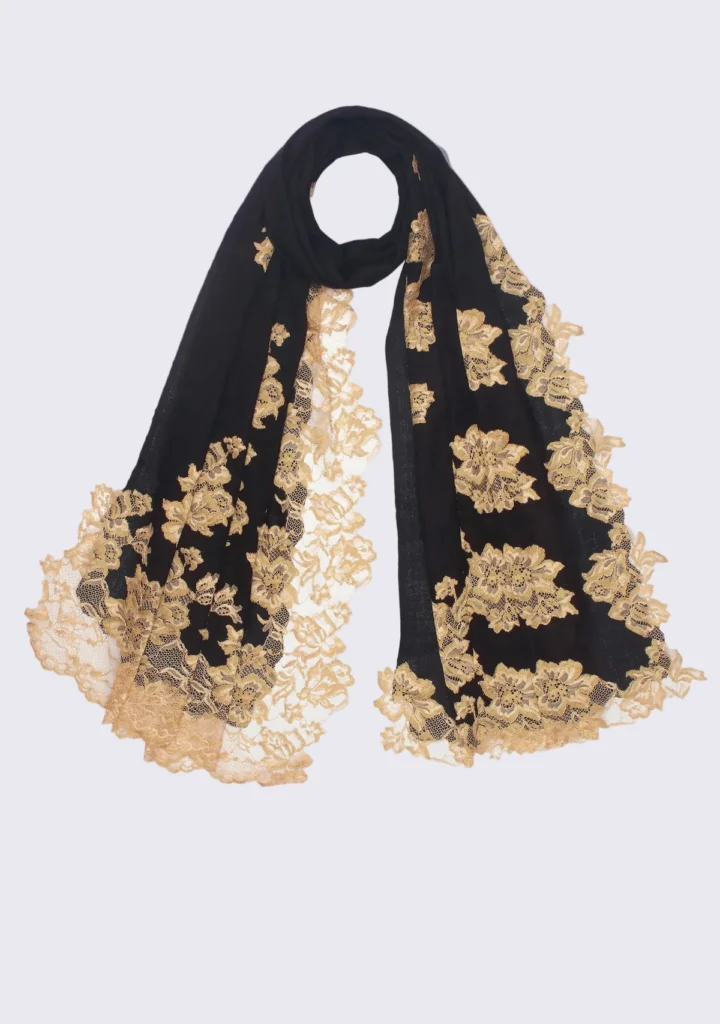
There is something extraordinary about owning a cashmere scarf. The softness against your skin, the way it drapes effortlessly over your shoulders, the warmth it provides without any of the weight. It is the kind of accessory that, once you have it, you reach for constantly. But cashmere is also delicate, and without the right care, even the most beautiful scarf can lose its softness, develop pills, or fall apart long before its time.
The good news is that cashmere is far more resilient than most people think, as long as you treat it correctly. This guide covers everything you need to know about caring for your cashmere, from cleaning and storing to removing pills and preserving the fibers.
What Cashmere Actually Is
Cashmere comes from the undercoat of cashmere goats, primarily raised in the high-altitude regions of Kashmir, Mongolia, and parts of China. The fibers are incredibly fine, typically around 14 to 19 microns in diameter, which is what gives cashmere its signature softness and lightweight warmth.
Because the fibers are so fine, they require careful handling. Heat, friction, and harsh chemicals are cashmere’s biggest enemies. Once you understand that, most care guidelines start to make intuitive sense.
Always Dry Clean Your Cashmere Scarf
The single most important care rule for luxury cashmere scarves is this: dry clean only. Unlike plain cashmere knitwear, fine cashmere scarves are often crafted with intricate embellishments, including hand-embroidery, metallic sequins, floral lace appliques, beadwork, feather trims, and delicate organza or satin details. These elements cannot survive washing at home, regardless of how gentle you are.
Attempting to hand-wash or machine-wash an embellished cashmere scarf risks shrinking the cashmere, loosening or destroying the embellishments, distorting the shape, and stripping the fibers of their natural softness. Dry cleaning preserves all of these elements and is the only safe approach for fine, crafted pieces.
Well-crafted cashmere scarves featuring artisan details such as metallic hand-embroidery, Swarovski crystals, Chantilly lace, or suede leather appliques must always be taken to a professional dry cleaner experienced with delicate luxury textiles. When in doubt, check the care label and follow it precisely.
Ironing: What to Avoid
Cashmere scarves, particularly those with embellishments, need special attention when it comes to ironing.
- Avoid steam ironing directly on the cashmere fabric. Steam can cause shrinkage and damage the delicate fibers.
- Never iron directly on embellishments. Lace appliques, beadwork, embroidery, sequins, Swarovski crystals, and satin details will be damaged or destroyed by direct heat.
- If light pressing is needed for the plain cashmere areas, use a cool iron and always place a pressing cloth between the iron and the fabric.
In most cases, you will find that cashmere scarves do not need pressing at all. Hanging the scarf in a steamy bathroom for a few minutes will gently release any wrinkles without the risk of heat damage.
How to Store Cashmere the Right Way
Proper storage is where most preventable cashmere damage occurs. Follow these principles to keep your scarf in perfect condition between wears.
- Always fold, never hang. Hanging cashmere causes it to stretch and lose its shape over time. Fold loosely and store flat.
- Keep it in a cool, dry place away from direct sunlight. Light causes colors to fade, and moisture invites mildew.
- Use the gift bag. Many luxury cashmere scarves come packaged in a dedicated gift bag. This is not just pretty packaging. It is the ideal storage solution, protecting the scarf from dust, light, and handling while keeping it neatly folded.
- Protect against moths. Moths are attracted to natural fibers and can cause irreparable damage. Place cedar balls or lavender sachets near your stored cashmere as a natural deterrent.
- Dry clean before seasonal storage. Storing a scarf that has been worn but not cleaned increases the risk of moth damage, as moths are drawn to body oils and residue.
Dealing With Pilling
Pilling is a natural and normal byproduct of cashmere wear & tear. It does not indicate poor quality. In fact, fine cashmere sometimes pills more noticeably in the early stages of wear because of the density of the fiber.
To remove pills, use a dedicated cashmere comb or a fabric shaver. Hold the scarf flat and work in gentle, short strokes. Avoid pressing too hard. With regular, careful de-pilling, your scarf will look as fresh as it did when you first bought it.
Do not be tempted to pull or rub at pills with your fingers. This causes more friction and worsens the pilling rather than resolving it.
Between Wears
You do not need to dry clean your cashmere scarf after every single wear. Between dry cleans, air it out by laying it flat or folding it loosely in a well-ventilated spot away from direct sunlight. This refreshes the fibers and removes any light odors without putting unnecessary wear on the piece through repeated professional cleaning.
Spot-clean very small marks with a clean, damp cloth and the gentlest possible touch. For anything more substantial, take it to your dry cleaner rather than attempting to treat it at home.
Choosing a Cashmere Scarf Worth Caring For
Proper care only delivers real results when the piece itself is worth it. The finest cashmere scarves are made from long-staple, high-grade fibers that resist pilling, maintain their softness with age, and age beautifully with proper handling. When embellished with hand-applied artisan details such as metallic embroidery, lace, or Swarovski crystals, they become pieces that carry a level of craft and artistry rarely found in mass-produced accessories.
For those looking for the absolute pinnacle of the category, pashmina scarves represent a step beyond standard cashmere. Pashmina fiber, drawn from the underbelly of Himalayan Changthangi goats at altitudes above 14,000 feet, produces an incomparably fine, lightweight textile with a distinctive luminosity. A superfine cashmere pashmina scarf, fine enough to pass through a ring, is a truly extraordinary object, and one that richly rewards careful, attentive ownership.
Final Thoughts
A cashmere scarf is not a fast-fashion purchase. It is a piece you invest in, care for, and keep. Dry clean it regularly with a specialist you trust, store it correctly in a cool and dry place away from sunlight, address pilling promptly with a cashmere comb, and never apply direct heat to its embellishments. Follow these simple principles and your cashmere scarf will reward you with years, even decades, of beautiful wear. The small amount of care it requires is nothing compared to the daily pleasure a truly exceptional piece provides.