The Y2K aesthetic is instantly recognizable: metallic surfaces, translucent plastic, bright colors, futuristic sunglasses, digital graphics and an optimistic vision of what the future might look like. Although the style is now strongly associated with early-2000s nostalgia, its origins are closely connected to the rapid technological changes of the late 1990s and the beginning of the new millennium.
Computers were entering more homes, mobile phones were becoming everyday objects, and the internet was introducing entirely new ways to communicate. Technology no longer belonged exclusively to offices and laboratories. It was becoming personal, portable and increasingly visible in popular culture.
That transformation had a major influence on the visual identity of the period.
The New Millennium Created a Fascination With the Future
The approach of the year 2000 carried enormous symbolic importance. A new millennium seemed to offer a natural dividing line between the old world and a technological future.
At the same time, the famous Y2K computer bug brought technology into everyday conversations. Concerns that computer systems might incorrectly process the change from 1999 to 2000 created uncertainty, but they also demonstrated how dependent society had already become on digital systems.
Beyond those fears, there was considerable optimism surrounding technology. Faster computers, mobile communications and growing internet access suggested that everyday life could change dramatically within just a few years.
Design reflected that enthusiasm. Products, advertisements and fashion increasingly borrowed visual elements associated with science fiction and imagined versions of the future.
Personal Computers Changed Visual Culture
Computers played a central role in shaping Y2K aesthetics. During the 1990s, home computing expanded rapidly, exposing millions of people to graphical interfaces, digital icons, screensavers and early computer-generated imagery.
These visual elements quickly escaped the computer screen.
Digital-looking typography appeared in advertising and fashion graphics. Pixelated imagery, abstract 3D shapes and interface-inspired designs became associated with modernity. Album covers, magazines and promotional campaigns experimented with visual effects that deliberately emphasized their digital origins.
The limitations of early graphics technology also created a distinctive appearance. Low-resolution images, simple 3D models and artificial textures that once represented cutting-edge digital design now immediately evoke the era.
Today, those same limitations have become part of the nostalgic appeal of Y2K design.
Consumer Technology Became More Colorful
One of the most memorable aspects of late-1990s and early-2000s technology was the willingness of manufacturers to experiment with the appearance of everyday electronics.
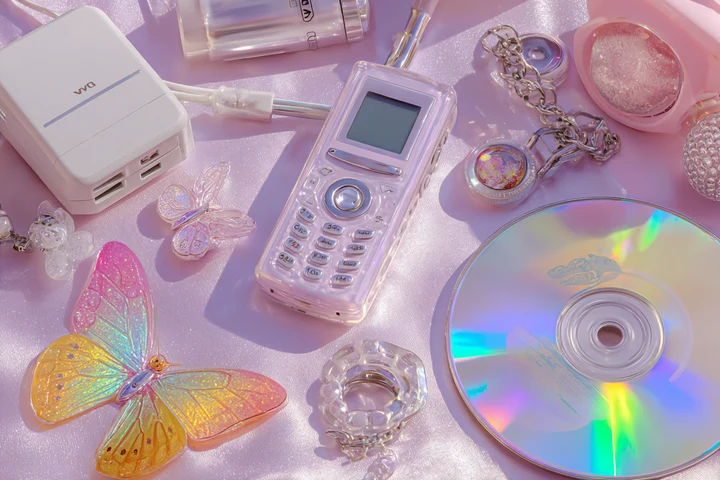
Computers, game consoles and accessories were no longer always beige or gray. Bright colors and translucent plastics became increasingly visible, allowing users to see parts of the technology hidden inside their devices.
This approach made electronics feel more personal and playful. Technology was no longer presented simply as a practical tool; the device itself could become an object of style.
Transparent and colorful plastics soon became part of the broader visual language of the era. Similar materials and finishes appeared in furniture, accessories, packaging and fashion.
Mobile Phones Made Technology Part of Personal Style
Before smartphones turned mobile devices into nearly identical glass rectangles, phones came in a remarkable variety of shapes and designs.
Flip phones, sliding mechanisms, colorful cases and unusual buttons made different models immediately recognizable. As mobile phones became more widespread, they also became increasingly connected to personal identity.
Users customized devices with cases, charms, stickers and wallpapers. Phones appeared prominently in music videos, movies and celebrity photographs, reinforcing their status as fashionable objects as well as communication tools.
This relationship between technology and personal style contributed to the wider Y2K aesthetic. Futuristic shapes, metallic finishes and colorful details moved easily between electronic products and fashion accessories.
The Early Internet Developed Its Own Visual Language
The internet of the late 1990s and early 2000s looked very different from today’s relatively standardized web.
Websites experimented with bright backgrounds, animated GIFs, unusual fonts, glossy buttons and elaborate navigation systems. Personal websites often reflected the personality of their creators rather than following established design conventions.
This created a chaotic but highly recognizable digital culture.
Chat rooms, instant messaging services, forums and personal pages also changed the way people communicated. Screen names and avatars offered new opportunities to construct an online identity, while digital communities formed around music, games, fashion and countless other interests.
As the internet became more important, its visual language increasingly influenced the world outside the screen.
Fashion Absorbed the Technological Mood
The influence of technology was particularly visible in Y2K fashion. Metallic fabrics, reflective surfaces and silver accessories echoed the appearance of electronics and imagined futuristic environments.
Sunglasses adopted narrow, rimless and wraparound shapes that looked more like props from science-fiction movies than traditional eyewear. Graphic tops incorporated digital imagery, stars, abstract patterns and typography inspired by computer interfaces. Learn more about Y2K fashion on https://y2kfusion.com.
Even when individual garments weren’t explicitly technology-themed, the wider fascination with the future influenced how they were presented and styled.
This helps explain why Y2K fashion can combine casual pieces such as baggy jeans and graphic tees with futuristic accessories without the combination feeling contradictory. The aesthetic developed during a period when everyday life itself was becoming increasingly digital.
Gaming Added Another Layer to the Aesthetic
Video games also became an important part of mainstream culture around the turn of the millennium.
As 3D graphics improved, games introduced players to digital cities, futuristic vehicles, metallic environments and exaggerated character designs. Racing games, science-fiction titles and futuristic interfaces contributed to the broader visual culture surrounding technology.
Game consoles themselves also became design objects. Colorful controllers, portable systems and translucent accessories reinforced many of the same visual ideas found elsewhere in Y2K culture.
For younger audiences in particular, the future wasn’t something encountered only through movies or magazines. It was something they could interact with on a screen.
Why Y2K Technology Feels Nostalgic Today
Perhaps the most interesting thing about Y2K aesthetics is that a style originally designed to represent the future now represents the past.
The shiny interfaces, translucent plastics and futuristic graphics of the era no longer look technologically advanced. Instead, they evoke a specific moment when digital technology still felt new and full of possibilities.
That contrast explains much of the current fascination with Y2K design. Early digital cameras, flip phones, old computer interfaces and wired headphones have become nostalgic objects, while their visual language continues to influence fashion, graphic design and online culture.
Y2K aesthetics weren’t simply the result of a particular fashion trend. They reflected a period of rapid technological change and an optimistic, sometimes exaggerated imagination of the digital future. More than two decades later, that vision remains one of the most distinctive visual legacies of the early internet age.