
How Technology Is Transforming the Prop Trading Industry in India

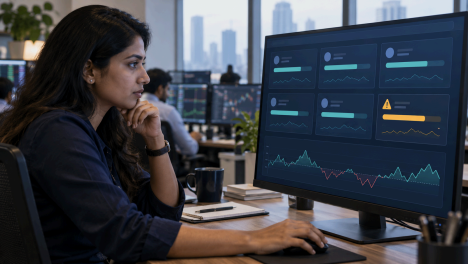
Technology is changing how traders access proprietary trading programs, monitor accounts and evaluate performance. For Indian traders exploring funded programs, digital platforms bring account information, trading data and risk controls into a more accessible environment. For firms, the same infrastructure can support account management and performance monitoring across many traders.
These tools are useful only when traders understand what the account represents. Funded programs can use live or simulated accounts, depending on the provider. Simulated balances and results must be interpreted separately from any live trading undertaken by the firm. Technology can improve visibility, but it does not remove program conditions or guarantee trading success.
Digital Platforms and Account Visibility
Online platforms allow traders to manage account information, review program conditions and monitor trading activity remotely. Bringing these functions together can reduce the need to move between separate records and processes, while making relevant information easier to find.
Performance dashboards can display profit and loss, drawdown, trading activity, risk metrics and progress toward program objectives. This gives traders a clearer view of how their activity relates to account requirements. However, a displayed balance alone does not explain whether an account has met every condition. Traders still need to connect the figures on screen with the provider’s published rules.
Automated Risk Monitoring
Risk management remains central to prop trading. Automated systems can track activity against predefined parameters and identify situations that require attention. Depending on the program, monitoring may cover daily losses, overall drawdown, position sizes, trading activity and rule compliance.
For firms, this can create a more consistent approach to monitoring multiple accounts. For traders, it provides information about whether their trading behavior remains within the program’s limits. The practical value is greater awareness of risk, rather than simply a faster view of returns.
Automated monitoring does not replace the trader’s responsibility to understand those limits. A strategy must fit the applicable loss and drawdown requirements, and traders need to interpret account data correctly when deciding how to manage positions.
Using Analytics to Review Trading Performance
Trading analytics can provide a broader picture than an account’s current profit or loss. Traders can examine winning and losing trades, average trade performance, drawdown patterns, trading frequency and position management. Reviewing performance across different market conditions can also help reveal recurring patterns.
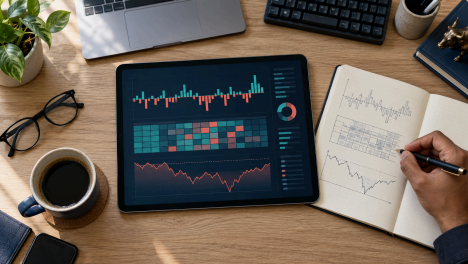
This information can support a more structured review of trading decisions. A record of individual trades offers a basis for identifying strengths, weaknesses and behavioral habits, rather than relying entirely on memory or a single result. For prop firms, aggregated performance data can also support the assessment of trader behavior and program performance.
The usefulness of analytics depends on interpretation. More data does not automatically produce a better strategy, and traders should use performance records alongside their understanding of risk and market conditions.
AI and Automation Have Different Limits
Artificial intelligence can potentially assist with market research, data processing and pattern recognition. Automation can reduce manual work in account management, reporting and performance monitoring. These functions can support trading processes, but they should not be treated as substitutes for trading knowledge.
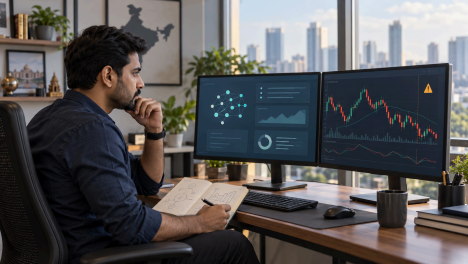
The risks also differ. AI-generated analysis may contain inaccurate or incomplete information. An automated strategy may perform differently when market conditions change, while the systems supporting it can malfunction. A technically sophisticated tool therefore still requires informed oversight.
Traders need to understand the purpose and limitations of each tool before incorporating it into their decisions. Independent analysis and risk management remain necessary, whether a platform offers simple reporting or more advanced analytical functions.
WeMasterTrade’s Use of Trading Technology
WeMasterTrade’s published account model describes a specific application of trading technology: customers trade with virtual funds in simulated accounts, and the company says its algorithms replicate their trades into separate live accounts operated by the firm.
This distinction matters when interpreting account activity. The customer’s simulated trading environment is separate from the firm’s live operations. Results displayed in a simulated account remain subject to the program’s rules and reward conditions; the displayed balance should not be confused with live capital held by the customer.
WeMasterTrade offers Challenge and Instant programs with different entry processes. Challenge includes a preliminary evaluation. Instant skips the initial challenge but remains subject to applicable rules and evaluation and reward conditions. Traders should understand their selected program when reviewing account progress or requesting a reward. The general technology features discussed in this article should be checked separately with each provider.
What Indian Traders Should Look for in a Platform
When evaluating a prop firm, traders should consider the quality of its digital experience alongside headline account size. A useful platform provides accessible account information and clearly communicates the conditions governing trading activity.
- Reliability: A stable environment for executing and monitoring trades.
- Transparency: Clear performance information, relevant risk metrics and accessible program rules, including loss limits, drawdown requirements and profit targets.
- Data protection: A clear explanation of how the provider handles account information, personal data and privacy.
- Support: A practical way to obtain assistance with account or platform issues.
These considerations help traders assess whether the technology makes a program easier to understand and manage. Convenient onboarding or an attractive dashboard cannot compensate for unclear trading conditions. Before participating, traders should review the information needed to follow their account: which limits apply, how performance is presented and where the governing conditions can be found. Clear access to those details supports more informed participation.
Responsible Use of Trading Technology
Digital platforms can give Indian prop traders better access to account information, performance analysis and risk monitoring. Their value comes from helping traders make informed decisions within clearly understood program conditions.
Responsible use combines these tools with independent analysis, discipline and appropriate risk management. For providers, reliable infrastructure, data protection and clear communication remain essential. The quality of the trading experience depends on both the technology and the rules behind it.






Comment