
How Dry-Climate Weather Wears Out Your Roof (and How to Protect It)

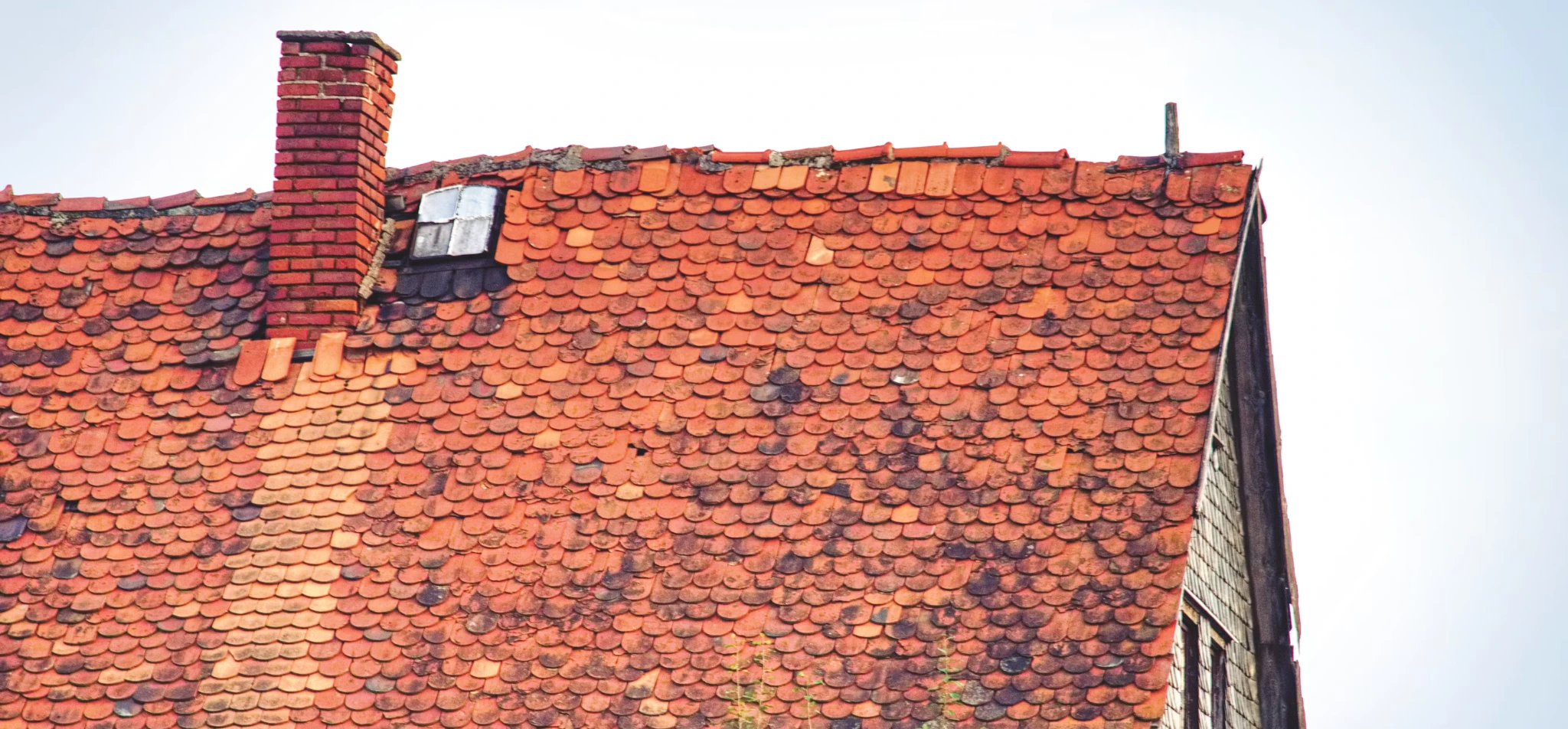
If you live somewhere dry, it’s easy to assume your roof has it easy. Not much humidity, not much rain, plenty of sunshine. What could go wrong?
Quite a bit, actually. Dry climates wear roofs out in their own way, and the damage is quieter. There’s no mold or constant dripping to warn you. Instead, the sun slowly bakes the surface, temperature swings loosen everything, and then one heavy storm shows you every weak spot at once.
Here’s what’s really happening up there, and what you can do about it.
1. UV and Heat: The Slow Burn
Strong sunlight is one of the hardest things on a roof. UV rays break down roofing materials over time. Asphalt shingles dry out, lose their protective granules, and start to curl or crack. Coatings and membranes can chalk, fade, or get brittle.
Heat adds to it. A dark roof on a hot day can get far hotter than the air around it, which speeds up wear and pushes more heat into your home. The U.S. Department of Energy explains that cool roofs reflect more sunlight and absorb less heat than standard roofs, which helps keep the surface cooler and can cut cooling demand.
The takeaway: a roof that looks fine from the street can still be quietly aging. Faded color, bare patches, and loose granules in your gutters are early signs.
2. Big Temperature Swings
In many dry regions, especially at higher elevations, a day can swing 30 or 40 degrees from afternoon to night. Winters add freezing temperatures on top of that.
Every time that happens, roofing materials expand and contract. Over months and years, that movement loosens fasteners, cracks sealants, and pulls flashing away from walls and vents. Add freeze-thaw cycles, where water gets into a tiny crack, freezes, and widens it, and a hairline gap turns into a real leak path.
None of this happens overnight. That’s the problem. By the time you see a stain on the ceiling, the roof has often been struggling for a long time.
3. Monsoon and Sudden Heavy Rain
Dry roofs often get tested by short, intense downpours instead of steady rain. A roof that’s gone months without much water can suddenly face a storm that dumps a lot in a short time.
That’s when weak spots show up fast:
- Flashing around chimneys, vents, skylights, and parapet walls
- Old, cracked sealant
- Clogged gutters, downspouts, and scuppers that can’t move water away
- Worn seams and loose edges
The National Weather Service offers flash flood safety guidance that’s worth a read if you live in a storm-prone area. For your roof, the practical step is simple: clear drainage paths and check the problem areas before the rainy season starts, not after your first leak.
4. Flat Roofs: Where Problems Pile Up
Flat and low-slope roofs are common in the Southwest, on homes, churches, and commercial buildings. They look clean and simple, but they don’t shed water the way a pitched roof does. Water that can’t leave the roof sits there, and that’s called ponding.
Ponding adds weight, speeds up wear on the surface, and puts constant pressure on seams and flashing. A common rule of thumb is that water still sitting on a roof a couple of days after a storm is a warning sign.
Luis Dominguez, Owner of Dream Built Construction, a roofing contractor in Santa Fe, NM, says most flat roof leaks come back to drainage.
“Most of the flat roof leaks we repair come down to water that has nowhere to go. A roof can look fine from the street, but if water sits in one spot after a storm, it will eventually find a seam or a worn area. Patching the leak helps for a while, but the real fix is usually slope and drainage. When we plan a flat roof, we look at where the water will travel and build in tapered insulation or proper drains so it leaves the roof quickly. That one decision can add years to the life of a roof.”
What to watch for on a flat roof:
- Pooling water that stays long after the rain stops
- Bubbles or blisters in the surface
- Cracked or lifted seams
- Debris collecting around drains and scuppers
- Stains on ceilings below, especially after storms
5. Choosing the Right Roofing Material
There’s no single best material. It depends on your roof’s slope, your budget, and local rules, since some areas have HOA or historic district requirements. Here’s a quick look at common options:
- Asphalt shingles: affordable and common on pitched roofs, but UV and heat wear them down faster in sunny climates.
- TPO: a white, reflective single-ply membrane that’s popular on flat roofs in hot areas. Seams are heat-welded, which makes them strong when installed right.
- Torch-down (modified bitumen): a layered system that holds up well on low-slope roofs, but it needs an experienced crew.
- Standing seam metal: long-lasting and great at shedding water and snow, though the upfront cost is higher.
Whatever you choose, installation matters as much as the material. A great product installed badly will still leak.
6. When to Get Your Roof Inspected
A good rule is to have it checked twice a year: once before your rainy or storm season, and once after winter. Also get it looked at after hail, high winds, or any storm that hit hard.
A real inspection goes beyond a quick walk on the roof. It should cover:
- The roof surface and seams
- Flashing, vents, and skylights
- Drains, gutters, and scuppers
- The attic, for stains, damp insulation, or daylight coming through
- Moisture checks where leaks are suspected
Ask for a written report with photos. It gives you something to compare against next year and helps you plan repairs before they turn into emergencies.
7. Quick Checks You Can Do From the Ground
You don’t need to climb up there. In fact, please don’t, especially if the roof is steep or wet. You can still spot a lot from the ground:
- Water stains or discoloration on ceilings after rain
- Missing, curling, or cracked shingles (binoculars help)
- Shingle granules collecting in gutters or at downspouts
- Debris like leaves, branches, or trash on the roof or around drains
- Rust stains around vents or metal edges
- Any sagging or uneven areas along the roofline
If you notice any of these, don’t wait for the next storm to confirm it. Small problems cost far less to fix than big ones.
Final Thoughts
Dry climates are tough on roofs, just in a quieter way. UV breaks down the surface, temperature swings loosen the details, and sudden heavy rain finds whatever you missed.
The good news is that most of this is manageable. Keep drainage clear, pay extra attention to flat roofs, pick materials that suit your climate, and get regular inspections. A little attention each year is a lot cheaper than a new roof ten years early.







Comment