
How Sewer Camera Inspections Help Diagnose Recurring Drain Problems

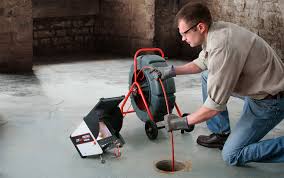
Recurring drain problems can be frustrating for homeowners. A sink may drain slowly, a toilet may back up repeatedly, or several fixtures may begin showing signs of trouble even after a plumber has cleared a blockage. When the same issue keeps returning, the real cause may be deeper inside the drainage system than a simple clog.
Sewer camera inspections offer plumbing professionals a practical way to investigate these problems. By viewing the inside of a drain or sewer line, technicians can gather information about blockages, pipe damage, and other conditions that may affect wastewater flow. Instead of relying entirely on symptoms, they can use visual evidence to help determine what should happen next.
Why Drain Problems Keep Coming Back
A clogged drain does not always mean the underlying problem has been resolved. Sometimes, a cleaning method opens a passage through the blockage without removing all the material restricting the pipe. Grease, soap residue, mineral scale, and other debris can continue accumulating along the pipe walls.
Other recurring problems have a structural cause. Tree roots can enter through joints or cracks, while aging pipes may develop corrosion, misalignment, or damaged sections. A low spot in a drain line can also allow water and waste to collect rather than flow away efficiently.
The symptoms often look similar, even when the causes are different. A homeowner might assume that another routine cleaning will solve the problem, but repeated blockages can indicate that a closer inspection is needed.
How Sewer Camera Inspections Work
A sewer camera inspection involves guiding a small waterproof camera through an accessible drain or sewer line. The camera sends video to a monitor, allowing the plumber to examine the pipe interior as the inspection progresses.
Depending on access and the condition of the line, the technician may be able to observe buildup, obstructions, root intrusion, cracks, separated joints, or other visible irregularities. The inspection can also help identify the approximate location of a problem along the pipe.
This information gives homeowners and plumbing professionals a clearer picture of what is happening inside the drainage system. Rather than automatically choosing the same cleaning method used previously, they can consider whether the evidence supports cleaning, further testing, or a repair.
Identifying the Cause Behind Repeated Blockages
One of the main benefits of a camera inspection is its ability to help distinguish between different types of drain problems.
Buildup and debris
Grease, soap residue, and accumulated waste can gradually reduce the space available for water to pass through a pipe. A camera may reveal deposits along the pipe walls or material obstructing the flow.
If the pipe appears structurally sound, professional drain cleaning may be an appropriate next step. Depending on the severity and type of buildup, a plumber might consider mechanical cleaning or hydro jetting.
Tree root intrusion
Tree roots can enter sewer lines through vulnerable joints and damaged sections. As roots grow, they can trap waste and contribute to repeated blockages.
A camera can help reveal root intrusion and show whether the surrounding pipe appears damaged. That distinction matters because clearing the roots may restore flow temporarily, but a compromised pipe could require additional repair.
Cracks, misalignment, and pipe deterioration
Older sewer lines may develop cracks, shifted joints, corrosion, or other defects. These conditions can allow debris to collect or interfere with normal drainage.
A camera inspection may identify visible signs of deterioration, helping the plumber decide whether the line needs further evaluation or a targeted repair. The extent of the damage and the condition of the surrounding pipe determine which options are practical.
Connecting the Findings to the Right Solution
The value of an inspection comes from how its findings guide the next decision. Clearing every blockage in the same way is not always appropriate, especially when the pipe itself may be damaged.
For example, imagine a homeowner whose main sewer line backs up every few months. Previous cleanings restore drainage, but the symptoms eventually return. A camera inspection might reveal recurring debris near a section affected by root intrusion.
That finding could change the recommended approach. The plumber may need to remove the obstruction and assess the pipe’s condition before deciding whether a repair is necessary. If the line is intact and the issue is primarily removable buildup, cleaning may be sufficient. If the pipe is cracked or badly displaced, more extensive work could be needed.
For homeowners, this process makes it easier to understand why a particular service is being recommended. It can also help avoid spending money repeatedly on temporary solutions when an underlying defect needs attention.
Professional Diagnostics and Local Plumbing Services
Professional drain diagnostics can be especially useful when several fixtures are affected, blockages repeatedly return, or the condition of an underground sewer line is uncertain.
Homeowners in coastal North Carolina can learn more about inspection and drain services from Ellis Elite Plumbing & Drains, a plumbing company serving Jacksonville, North Carolina, and Onslow County. Its website describes sewer camera inspections for recurring drain problems, blockages, and main sewer line condition assessments. The company also explains that inspection findings can help guide decisions about cleaning or further work, with the aim of addressing the actual cause rather than simply treating the symptoms.
When arranging a professional inspection, homeowners can ask what the technician observed, where the issue appears to be located, and whether the findings support cleaning, repair, or additional assessment. A clear explanation of the evidence helps make the next steps easier to evaluate.
What Camera Inspections Cannot Tell You
Although sewer cameras provide valuable visual information, they have limitations. An inspection only shows the areas the camera can reach and view clearly. Heavy standing water, debris, restricted access, bends, or other conditions may limit visibility or prevent the camera from passing through a section of pipe.
A camera also cannot necessarily establish the full extent of hidden structural damage, determine every cause of a drainage problem, or confirm how a pipe will perform under all operating conditions. Some issues may require additional testing, measurements, cleaning, or a closer physical assessment.
In certain situations, a plumber may recommend clearing an obstruction before performing another inspection. In others, locating equipment, specialist testing, or excavation may be necessary to confirm the condition of a damaged section. A camera inspection can help inform these decisions, but it does not guarantee that excavation or other invasive work will never be required.
Homeowners should therefore treat the video as one important source of diagnostic evidence rather than a complete assessment of every possible plumbing issue.
Using Inspection Findings for Preventive Maintenance
Camera inspections can also help homeowners make more informed maintenance decisions. If an inspection identifies recurring buildup, the plumber can discuss suitable cleaning intervals and practical steps to reduce future obstructions. If the pipe shows signs of deterioration, documenting its condition may help the homeowner plan for further evaluation or repairs.
The information can be useful during a property purchase as well. A sewer line may be hidden underground, making its condition difficult to judge through a routine visual walkthrough of the house. Where access permits, a sewer camera inspection can provide additional evidence about the line before a buyer commits to a property.
For landlords and commercial property managers, the same principle applies. Understanding the condition of a drainage system can help with maintenance planning, budgeting, and decisions about when to investigate recurring complaints.
A More Informed Approach to Drain Problems
Recurring drain problems deserve more than repeated guesswork. While many blockages can be resolved through appropriate cleaning, persistent symptoms may point to root intrusion, pipe deterioration, or another underlying issue.
Sewer camera inspections help plumbing professionals look inside accessible sections of a drain line, identify visible problems, and make better-informed recommendations. Their findings can guide decisions about cleaning, targeted repairs, and further investigation when necessary.
The technology is most useful when combined with professional judgment and a clear explanation of the results. For homeowners, that means a better understanding of what may be causing repeated blockages, which solutions are worth considering, and what additional work might be needed to restore reliable drainage.







Comment