
How Rapid Prototyping Reduces Time to Market for New Products

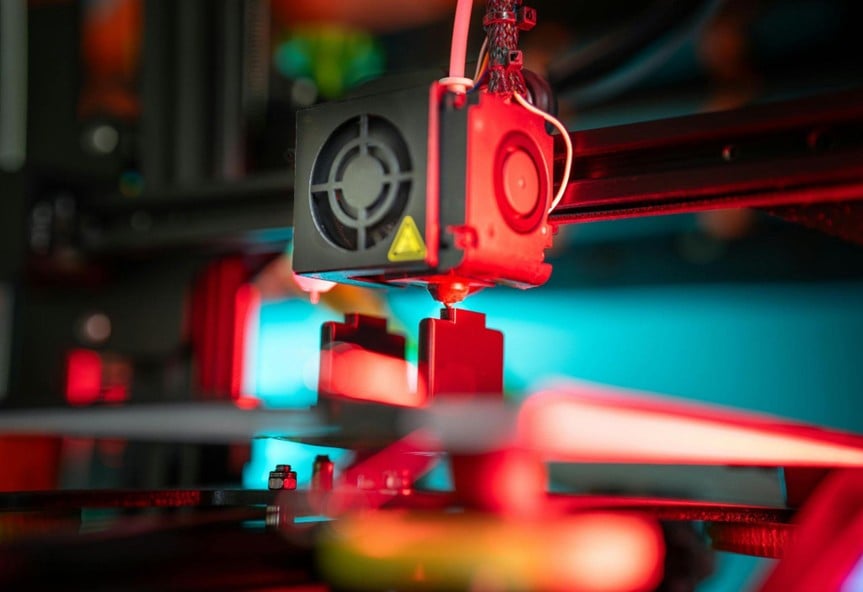
Bringing a new product to market involves many decisions. Each stage affects the next, and even small design changes can delay production if they are discovered too late. This is why many manufacturers include prototyping early in the development process. Rapid prototyping services in Dubai help engineering teams test, improve, and validate designs before they invest in production tooling. This approach reduces unnecessary rework, supports faster approvals, and keeps product development moving forward. When prototypes are planned correctly, businesses can shorten development timelines while making more confident engineering decisions.
Where Rapid Prototyping Fits in Product Development
Rapid prototyping is used after the initial design is complete but before production begins. At this stage, engineers need to confirm that the product performs as expected before investing in tooling or manufacturing equipment.
A typical product development process follows these stages:
| Product Development Stage | Purpose |
| Concept Development | Define product requirements and design goals |
| CAD Design | Create the digital product model |
| Prototype Development | Produce physical models for testing |
| Form, Fit and Function Testing | Verify dimensions, assembly and performance |
| Design Refinement | Make improvements based on test results |
| Tooling | Manufacture production tools and moulds |
| Production | Begin full scale manufacturing |
Each stage depends on the accuracy of the previous one. If problems are found after tooling has been completed, correcting them often requires extra time and additional cost. Rapid prototyping helps identify these issues much earlier.
Instead of moving directly from a digital model to production, engineering teams can evaluate the design under real conditions. They can check whether components fit together correctly, whether moving parts operate as intended, and whether the product meets its functional requirements.
This approach creates a smoother transition from design to manufacturing while reducing the chance of unexpected changes later in the project.
Validate Designs Before Investing in Tooling
Production tooling is one of the biggest investments during product development. Once tooling is manufactured, making changes becomes more complex and often more expensive. Validating a design before this stage helps reduce both technical and financial risk.
Prototype testing usually focuses on three important areas.
| Validation Type | Purpose |
| Form Testing | Confirms the overall shape and appearance of the product |
| Fit Testing | Verifies that all components assemble correctly |
| Function Testing | Checks whether the product performs as intended |
These tests help engineers identify issues that may not appear in digital models alone. For example, small dimensional differences can affect assembly, while moving parts may perform differently in a physical prototype than they do in computer simulations.
Using prototyping service in Dubai at this stage allows engineering teams to review the design with greater confidence before committing to production.
Early validation also improves communication between design, engineering, and manufacturing teams. Instead of discussing potential issues, they can evaluate an actual prototype and make decisions based on physical testing. This often speeds up design approvals and reduces unnecessary revisions.
Faster Design Changes with Functional 3D Prototypes
Product development rarely ends after the first prototype. Most products go through several design updates before they are ready for production. The speed of these revisions has a direct impact on the overall project timeline.
Functional 3D prototypes make this process more efficient. After reviewing test results, engineers can update the CAD model, produce a revised prototype, and continue testing without waiting for production tooling to be modified.
This allows development teams to:
- Test updated designs quickly.
- Verify improvements after each revision.
- Compare different design solutions.
- Continue refining the product before production begins.
Rather than delaying progress, each prototype becomes part of the design improvement process. Problems can be identified, corrected, and tested again within a much shorter development cycle.
Because physical prototypes are available throughout development, engineering teams can make decisions using real product performance instead of relying only on computer models. This leads to more accurate validation and helps reduce delays during later manufacturing stages.
Rapid Prototyping Versus Traditional Tooling Changes
Making design changes is a normal part of product development. The difference lies in when those changes are made. Updating a design during the prototype stage is usually much quicker than making changes after production tooling has already been manufactured.
With rapid prototyping, engineers can revise the CAD model, produce an updated prototype, and continue testing without affecting production tools. In contrast, modifying tooling often requires additional machining, testing, and quality checks before manufacturing can continue.
The table below shows the general difference between both approaches.
| Rapid Prototyping | Traditional Tooling Changes |
| Design changes can be tested early | Changes are made after tooling is produced |
| Faster prototype revisions | Longer modification process |
| Lower development costs during testing | Higher costs due to tooling rework |
| Multiple design iterations are practical | Fewer revisions because of time and cost |
| Shorter path to production | Greater risk of project delays |
This does not mean tooling should be delayed unnecessarily. Instead, it shows why completing thorough prototype testing first often leads to a smoother production phase. Once engineers are confident in the design, they can move forward with tooling knowing that major issues have already been addressed.
Why Prototype Materials Should Match Production Goals
Choosing the right material for a prototype is an important part of product development. While the final production material may not always be available during prototyping, selecting a material with similar properties can provide more reliable test results.
Material selection can affect:
- Part strength
- Flexibility
- Surface finish
- Heat resistance
- Overall product performance
If a prototype behaves very differently from the final product, additional testing may be needed later when the production material is introduced. This can extend development timelines and create extra work for both engineering and manufacturing teams.
For this reason, many projects consider the intended production material when planning the prototype stage. Testing parts with similar mechanical properties gives engineers better insight into how the finished product is likely to perform.
This approach also supports more accurate design validation and helps reduce repeated testing before production begins.
Testing Multiple Design Options at the Same Time
Product development often involves more than one possible design. Instead of testing a single option, engineering teams can produce several prototype versions and evaluate them together.
Testing multiple designs in parallel makes it easier to compare important factors such as:
- Performance
- Ease of assembly
- Weight
- Strength
- User experience
- Manufacturing suitability
Rather than waiting for one design to fail before developing another, several concepts can be assessed during the same testing cycle. This allows engineers to identify the strongest solution sooner and move forward with greater confidence.
Parallel testing also improves collaboration across design, engineering, and manufacturing teams. Physical prototypes provide a common reference point for discussions, making it easier to review design differences and agree on the next steps.
As a result, projects spend less time moving through repeated design cycles and more time preparing for production.
“Our mission is to accelerate 3D printing adoption in order to reduce the lead time of introducing new products to the market.”
— Pir Arkam, Founder & CEO, Proto21
Conclusion
Reducing time to market depends on making informed decisions throughout the product development process. Rapid prototyping supports this by allowing engineering teams to validate designs, refine products, compare multiple concepts, and confirm material performance before investing in production tooling. Each step helps reduce unnecessary delays while improving confidence in the final design.
Businesses looking to streamline product development can benefit from working with experienced engineering specialists such as Proto21, which provides rapid prototyping services in Dubai to support efficient design validation and a smoother transition into production.
Frequently Asked Questions
- What are rapid prototyping services in Dubai used for?
Rapid prototyping services in Dubai are used to create physical models of a product before production begins. These prototypes help engineers check the design, test functionality, and make improvements before investing in manufacturing tools.
- How does a prototyping service in Dubai help reduce product development time?
A prototyping service in Dubai allows businesses to test and refine designs early in the development process. Finding and correcting issues before production helps avoid delays and reduces the need for costly design changes later.
- What are functional 3D prototypes?
Functional 3D prototypes are physical models designed to test how a product performs. They can be used to evaluate fit, movement, assembly, and other functional features before full scale production starts.
- Why is rapid prototyping important before production tooling?
Rapid prototyping helps identify design issues before production tools are manufactured. Making changes during the prototype stage is usually faster and more cost effective than modifying tooling after it has been produced.
- Can rapid prototyping support multiple design revisions?
Yes. Rapid prototyping makes it easier to update a design, produce a revised prototype, and continue testing. This allows engineering teams to improve products through several design iterations before production.
- Why should prototype materials be similar to production materials?
Using materials with similar properties helps engineers understand how the final product is likely to perform. This can reduce the need for additional testing when production begins.
- How do functional 3D prototypes improve product testing?
Functional 3D prototypes allow engineers to evaluate product performance under real conditions. They help verify assembly, movement, strength, and other design requirements before manufacturing.
- Can several prototype designs be tested at the same time?
Yes. Producing multiple design versions in parallel allows engineering teams to compare different solutions, identify the best option more quickly, and shorten the overall development process.
- Which industries benefit from rapid prototyping services in Dubai?
Industries such as automotive, medical, aerospace, consumer products, architecture, industrial manufacturing, and product design commonly use rapid prototyping services in Dubai to support faster product development and design validation.
- When should businesses use a prototyping service in Dubai?
Businesses should use a prototyping service in Dubai after completing the initial product design and before committing to production tooling. This stage allows them to validate the design, test performance, and make improvements before manufacturing begins.






Comment