
How PPEC Can Help Children With Medically Complex Conditions Grow and Develop

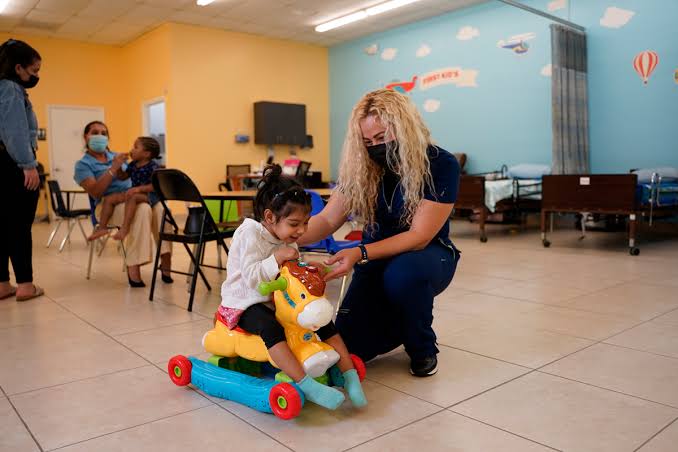
When a child has a complex medical condition, much of daily life revolves around keeping them safe and stable: feedings, medications, breathing treatments, monitoring, and appointments. Those priorities are essential. But parents also want their child to have the chance to grow, learn, and reach new milestones in their own way and at their own pace.
In Florida, Prescribed Pediatric Extended Care (PPEC) is designed to support both sides of that picture. Children receive skilled nursing care throughout the day in a setting that also gives them room to play, explore, and build new skills.
What Is PPEC?
PPEC is a Florida-licensed medical day program for children from birth through age 20 who have medically complex or medically fragile conditions. Care is prescribed by the child’s physician and delivered by nurses and trained staff at a nonresidential center. Children can attend for part of the day or up to 12 hours per day, depending on their plan of care.
Because nursing care is built into the day, a PPEC daycare can serve children who wouldn’t be safe in a traditional childcare setting, including children with tracheostomies, ventilators, feeding tubes, seizure disorders, chronic lung disease, and neuromuscular conditions.
Why Development Matters for Medically Complex Children
Children with complex medical needs often spend long stretches in hospitals, at home, or in clinical appointments. Medical equipment, fatigue, and frequent illness can limit how often they get to move freely, play with other kids, or try new things. Over time, fewer of those everyday experiences can mean fewer chances to practice the skills that support development.
PPEC helps by giving children a safe, structured place where those experiences can happen every day, with nurses close by to manage their medical needs.
Building Motor Skills Through Movement and Play
Movement is one of the main ways young children learn. In a PPEC setting, staff can create opportunities for children to move in ways that fit their abilities and medical needs, such as:
Tummy time and floor play for infants
Reaching, grasping, and manipulating toys
Supported sitting, standing, or use of adaptive equipment
Group games and activities adapted for different mobility levels
When physical or occupational therapy is part of a child’s care, therapy goals can often be carried into play and daily routines, giving children more chances to practice throughout the day.
Supporting Communication and Language
Communication develops through interaction. At home, a child may spend much of their day with one or two adults. At PPEC, they are around nurses, staff, and other children, which means more voices, more conversation, and more reasons to communicate.
Children who are nonverbal, use a tracheostomy, or rely on alternative communication methods can benefit from consistent routines that encourage expression. That may include sign language, picture boards, gestures, or communication devices. When speech therapy is coordinated with PPEC, children may have additional support working toward their communication goals during the day.
Social and Emotional Growth
For many medically complex children, PPEC is their first experience spending regular time with peers. Being part of a group helps children learn to:
Notice and respond to other children
Take turns and share
Recognize and express feelings
Feel comfortable with new adults
Separate from parents with growing confidence
These social and emotional skills are part of every child’s development, and they carry forward into school and community life. Just as important, children get to experience friendship and fun, which are part of a full childhood.
Learning Through Structure and Routine
A predictable daily schedule helps children feel secure, and security makes learning easier. PPEC days typically include a blend of care and activity: arrival, medical care, meals or feedings, group time, play, rest, and pickup.
Within that structure, children can take part in age-appropriate learning activities such as:
Story time and songs
Sensory play with textures, sounds, and lights
Arts and crafts
Early learning activities focused on colors, shapes, and cause and effect
For older children and young adults, activities can be adapted to support independence, interests, and life skills.
Feeding and Self-Care Skills
Many children attending PPEC have individualized feeding plans. For some, that means tube feedings. For others, it may include working on oral feeding skills with guidance from their care team and therapists. Mealtimes in a group setting can also help children become more comfortable around food and the social side of eating.
Depending on age and ability, staff can encourage self-care skills such as handwashing, helping with dressing, or participating in parts of their own care routines. Small steps toward independence can make a meaningful difference for children and families.
How Nursing Care Makes Development Possible
The developmental benefits of PPEC depend on one key factor: children are safe enough to participate. Nurses manage respiratory care, feedings, medications, and monitoring throughout the day, and they are trained to respond when a child’s condition changes. That clinical foundation allows children to join activities that might otherwise feel too risky.
It also allows parents to step back with confidence, knowing their child is cared for by professionals who understand their needs.
Partnering With Families
Development doesn’t stop when a child goes home. PPEC programs include caregiver training, and staff can share what they see during the day, such as new skills, emerging interests, or areas where a child may need more support. That information can help parents continue progress at home and can be useful when talking with physicians, therapists, early intervention providers, or school teams.
Families interested in learning how this kind of program works can explore Florida PPEC centers [link: https://angelsofcare.com/pediatric-home-care-services/prescribed-pediatric-extended-care-center-ppec/] through Angels of Care, a pediatric home health provider that serves medically complex children and their families.
Is PPEC Right for Your Child?
PPEC may be worth discussing with your child’s physician if your child:
Is under 21 and lives in Florida
Has a medically complex condition that requires ongoing skilled nursing care or supervision
Would benefit from a structured day with social and developmental opportunities
A physician’s prescription is required, and eligibility and approved hours are determined by Florida Medicaid or the family’s health plan. Coverage and authorization vary by plan, so families should confirm details with their child’s plan or case manager.
Room to Grow
Every child deserves the chance to play, connect, and discover what they can do. For children with complex medical conditions, that chance often depends on having the right care in place. PPEC brings skilled nursing and childhood experiences together under one roof, giving children support for their health and space for their growth.







Comment