
How Long Will a Generac Generator Run at Home?

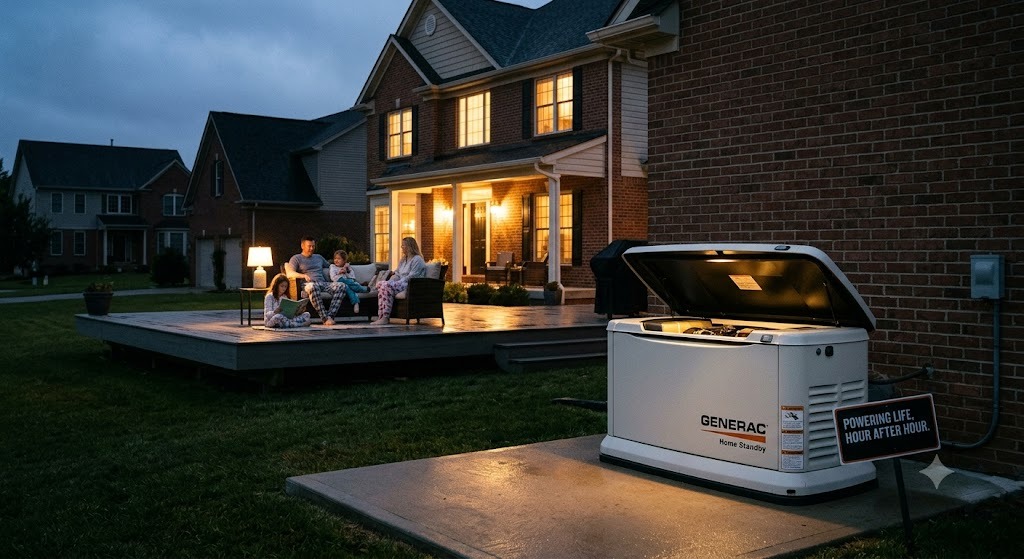
A Generac generator can run from several hours to several weeks, depending on the model, fuel source, electrical load, and maintenance. A portable Generac generator may run for part of a day on one tank of fuel.
A home standby Generac generator connected to natural gas can run much longer because it has a continuous fuel supply.
What affects Generac generator runtime?
Runtime starts with the type of generator. Portable units depend on tank capacity. Standby generators connect to natural gas or propane and are built for longer outages.
Fuel matters next. Natural gas gives the longest practical runtime when the supply remains stable. Propane can also support long operation, but the tank size sets the limit. Gasoline works for portable models, but it requires more frequent refueling.
If you are planning a permanent backup system, a standby generator Bergen County NJ Electrician can help match the unit to your home’s panel, fuel source, and essential circuits.
Key runtime factors include:
- Generator type: portable or standby
- Fuel source: natural gas, propane, gasoline, or diesel
- Electrical load: light, moderate, or heavy use
- Maintenance: oil level, filters, airflow, and inspections
How long will a Generac generator Run without a break?
A standby Generac generator can often run for days during a power outage, but it should not be ignored while running. Air-cooled home standby units need periodic shutdowns for inspection, oil checks, and cooling. This is especially true during storms, heat waves, or long outages.
A common practical rule is to shut the unit down after 24 hours of continuous use for a basic inspection. This gives you time to check oil, look for debris, confirm airflow, and listen for unusual sounds.
Runtime by generator type and fuel
| Generator setup | Practical runtime expectation |
| Standby on natural gas | Can run for extended periods if fuel supply and maintenance allow |
| Standby on propane | Often, several days, based on tank size and home load |
| Portable gasoline unit | Usually several hours per tank, based on model and load |
| Air-cooled standby unit | Can support long outages, but needs scheduled inspections and service |
This table gives a practical view, not a fixed promise. A 500-gallon propane tank can last far longer under light use than under heavy electrical demand. A natural gas unit can run longer than a propane unit, but it still needs maintenance checks.
How long can a Generac generator run continuously?
Many standby generators can run continuously for long outages when they have fuel, ventilation, and proper service. A useful upper guideline is around 500 hours of nonstop operation before more serious service attention becomes important. That is about 21 days.
That does not mean you should wait three weeks before checking it. Long runtime creates heat, vibration, oil use, and wear. Daily inspection is a better habit during an outage.
A portable model has a much shorter continuous runtime. It may last 6 to 18 hours on a full tank, depending on the unit and the load. If it is running near full capacity, fuel consumption increases, and runtime decreases.
How long will a Generac generator run before needing oil?
Oil is one of the most important items during extended generator use. For long outages, check the oil every 24 hours on a home standby unit. If the generator runs continuously, oil can drop faster than expected.
A full oil change depends on model, hours, and conditions. Heavy use, extreme heat, extreme cold, dust, and high loads can shorten service intervals.
Watch for these signs during long operations:
- Low oil alerts or shutdowns
- Burning smell or excess heat
- Rough running or unusual noise
- Dirty air intake or blocked vents
How long does a whole-house generator last?
A whole-house generator can last many years when installed correctly and serviced on schedule. Some standby generator resources cite a total engine life of around 3,000 operating hours, while normal residential use can spread that over many years.
Actual lifespan depends on more than hours. A unit that runs weekly tests, gets annual service, and carries a reasonable load will usually age better than a neglected unit that only gets attention during outages.
Installation also matters. Poor sizing can force the generator to work harder than necessary. Bad placement can reduce airflow or expose the unit to drainage issues. A clean install and a realistic load plan help protect the system.
Practical steps before a long outage
Before storm season or a forecasted outage, prepare the generator instead of waiting until the power fails.
Use this checklist:
- Test the generator before severe weather arrives
- Confirm the fuel source is ready
- Keep oil and filters available
- Clear leaves, snow, and debris from the unit
- Choose essential circuits instead of powering everything at once
During an outage, reduce unnecessary load. Avoid running high-demand appliances at the same time when you do not need them. This helps conserve fuel, reduce engine stress, and keep the generator stable.
A Generac generator can run long enough to protect your home through serious outages, but runtime depends on fuel, load, maintenance, and model type. The safest plan is simple: size it correctly, service it on schedule, check it daily during long use, and avoid pushing it harder than needed.







Comment