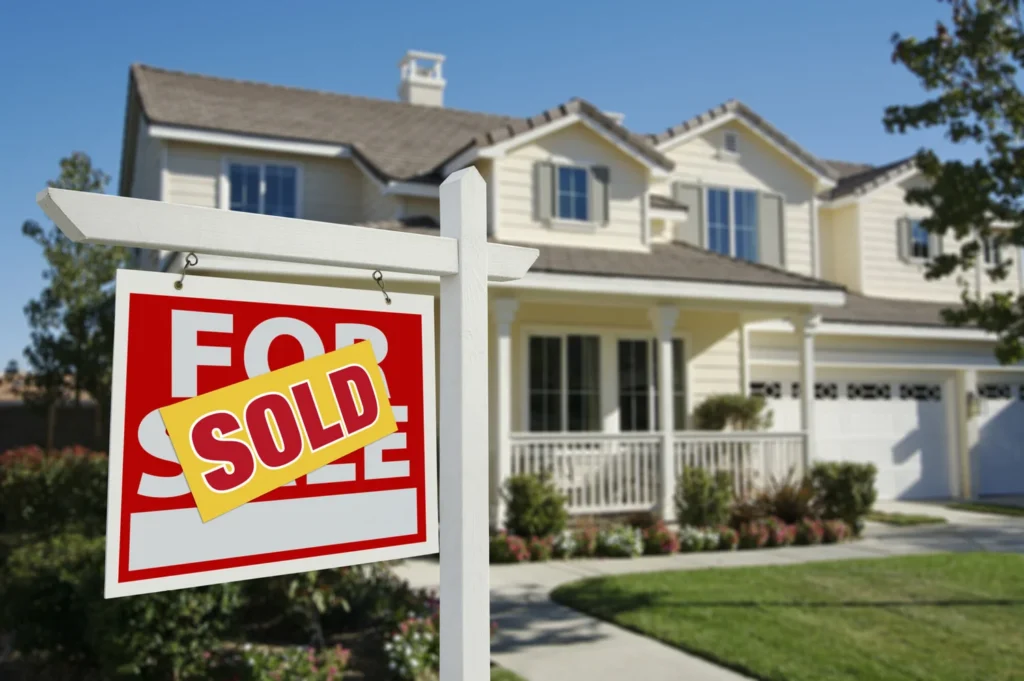
One of the most common questions homeowners ask when considering a move is, “How long does it really take to sell a house?” The answer depends on several factors, including market conditions, property condition, pricing strategy, location, and the type of buyer involved. While some homes sell within days, others can remain on the market for months.
Understanding the factors that influence the timeline can help homeowners set realistic expectations and make informed decisions throughout the selling process.
In a traditional real estate transaction, selling a house often takes anywhere from several weeks to several months. The process usually begins with preparing the property for sale. This stage may involve cleaning, decluttering, making repairs, staging the home, and taking professional photos. Depending on the condition of the property, preparation alone can take several days or even a few weeks.
Once the home is listed, the next step is finding a buyer. The amount of time this takes varies greatly based on market demand. In a strong seller’s market where inventory is limited and buyer demand is high, homes may receive offers within days. In a slower market, however, sellers may wait weeks or months before finding the right buyer.
Pricing plays a major role in determining how quickly a home sells. A property that is priced competitively is more likely to attract attention and generate offers. On the other hand, an overpriced home may sit on the market while buyers choose more reasonably priced alternatives. Many homeowners discover that accurate pricing is one of the most important factors in achieving a successful and timely sale.
The condition of the property can also impact the timeline. Buyers are often attracted to homes that appear clean, updated, and move in ready. Properties that require significant repairs may appeal to a smaller pool of buyers, which can result in longer marketing periods. This is one reason some homeowners choose to sell my house as is rather than invest additional time and money into renovations. Selling a property as is can simplify the process and appeal to buyers who are comfortable purchasing homes that need improvements.
Location is another important factor. Homes in desirable neighborhoods with strong schools, convenient amenities, and growing job markets often sell faster than properties in less competitive areas. Local market trends can influence how quickly buyers make decisions and how long properties remain available.
Even after a seller accepts an offer, the process is not complete. In a traditional transaction, buyers often rely on mortgage financing. This introduces additional steps such as lender approval, appraisals, inspections, and underwriting. While these requirements help protect buyers and lenders, they can add several weeks to the closing timeline.
Home inspections are a common source of delays. If inspectors identify issues with the property, buyers may request repairs or negotiate a lower purchase price. These discussions can extend the process and occasionally cause deals to fall apart entirely. Appraisal issues can also create challenges if the home’s appraised value does not match the agreed upon purchase price.
Because of these factors, many homeowners searching for ways to sell my house fast explore alternatives to the traditional market. Speed becomes especially important for individuals facing financial difficulties, job relocations, divorce, inheritance situations, or other life events that require a quick transition.
One option that has gained popularity is working with cash home buyers. Unlike traditional buyers who depend on mortgage approval, cash buyers have funds readily available to purchase properties. This eliminates many of the delays associated with financing and often results in a much faster closing process.
Cash home buyers are frequently willing to purchase properties in a variety of conditions. Homeowners who do not want to spend time making repairs, cleaning extensively, or preparing for multiple showings may find this option appealing. In some cases, transactions can be completed within a matter of days rather than weeks or months.
Of course, every situation is unique. A homeowner with a well maintained property in a highly desirable market may receive multiple offers shortly after listing. Meanwhile, a seller with a home that requires significant repairs may experience a longer timeline if relying solely on traditional buyers. Understanding the strengths and challenges of your specific property can help determine the most effective selling strategy.
Seasonal trends can also influence how long it takes to sell a house. Spring and early summer are often considered the busiest periods for real estate activity. Families frequently prefer moving during school breaks, creating increased buyer demand. During slower seasons, such as late fall or winter, properties may take longer to attract offers in some markets.
Another factor that affects timing is seller flexibility. Homeowners who are willing to negotiate on price, closing dates, or other terms may have an easier time securing a deal. Being responsive and prepared throughout the process can help avoid unnecessary delays.
Ultimately, there is no single answer to the question of how long it takes to sell a house. Traditional sales can take several weeks or even months depending on market conditions and buyer financing requirements. However, homeowners who need to sell my house fast may find alternative solutions that significantly reduce the timeline.
Whether you choose to list your property traditionally, sell my house as is, or work directly with cash home buyers like Sioux Empire Home Buyers, understanding the factors that influence the selling process can help you make the best decision for your situation. By setting realistic expectations and exploring all available options, homeowners can navigate the sale with greater confidence and achieve their goals more efficiently.