
How IPTV Is Reshaping Home Entertainment in 2026

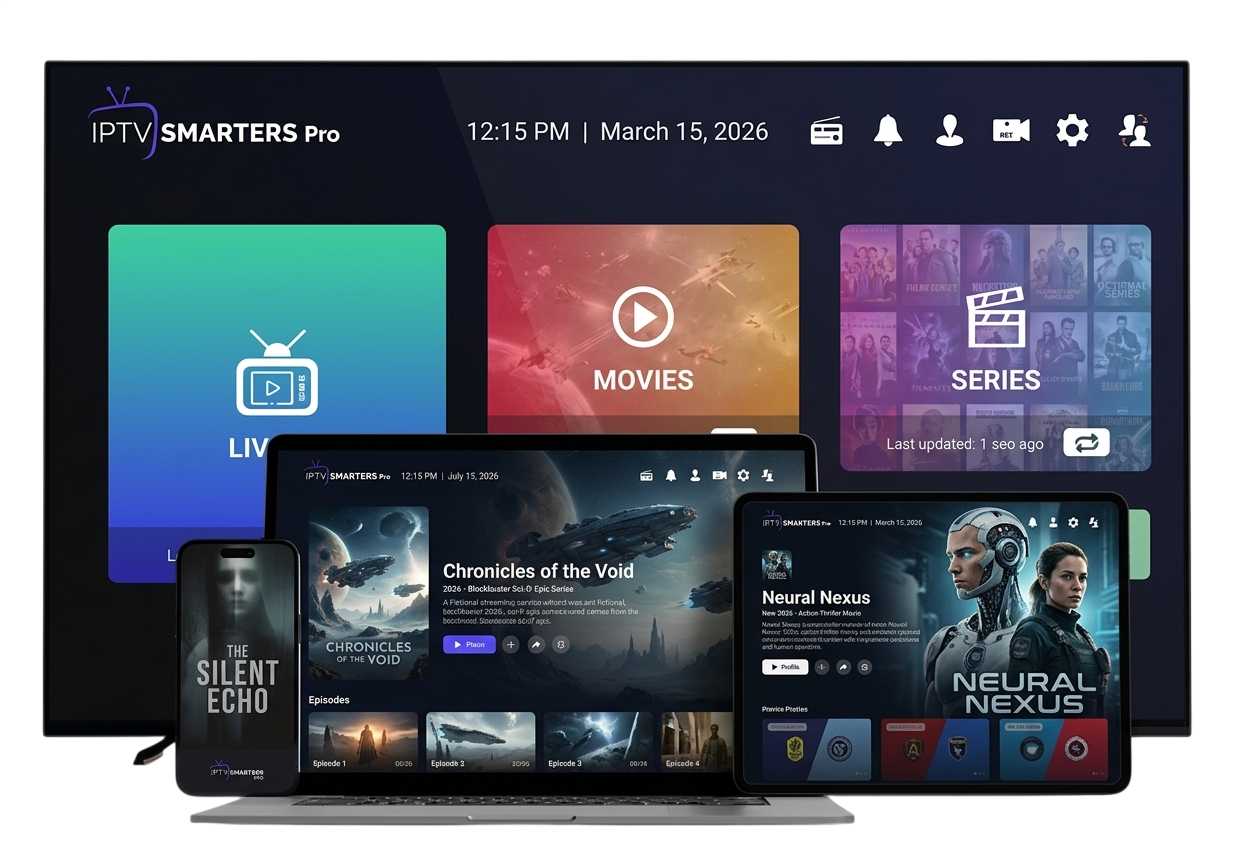
The way households consume television has changed more in the past five years than in the previous three decades. Cable subscriptions keep declining across Europe and North America, while streaming over the internet has become the default for a growing share of viewers. At the heart of this shift sits a technology that is now mature, affordable and remarkably flexible. Understanding how it works — and how to choose a reliable service — has become essential for anyone rethinking their home entertainment setup.
From cable boxes to internet streams
Traditional broadcasting relies on antennas, satellites or coaxial cables to deliver a fixed lineup of channels. Internet-based television takes a different route: the video signal travels through your broadband connection, just like any other online content. The result is a far more flexible experience. Viewers are no longer tied to a single television set or a rented decoder; the same subscription can follow them from the living-room screen to a tablet or a smartphone.
Why viewers are making the switch
Three factors explain the rapid adoption. First, cost: internet-delivered packages are typically a fraction of the price of legacy cable bundles. Second, choice: instead of a few dozen local channels, subscribers can access thousands of international channels alongside on-demand movies and series. Third, quality: with fibre connections now widespread, 4K and even 8K streams have become realistic for ordinary households. Services built around the IPTV model have capitalised on all three trends at once.
The software side: players and apps
Hardware is only half of the story. To watch internet-delivered channels, users install a player application on their device — and the choice of app shapes the entire experience. The best players offer a clean electronic programme guide, catch-up functions, multi-screen support and straightforward setup. Among the most widely used options, IPTV Smarters Pro has built a strong reputation for its intuitive interface and broad compatibility, running smoothly on Smart TVs, Android boxes, Apple devices and Amazon’s Fire Stick alike.
What to check before subscribing
As with any fast-growing market, quality varies widely between providers. A few criteria separate serious services from disappointing ones. Server stability comes first: a reliable provider maintains smooth playback even during peak hours and major sporting events. Transparent terms matter just as much — clear pricing, a visible refund policy and responsive customer support are strong signals of a trustworthy operation. Finally, device compatibility should never be assumed: always confirm that the service works with the screens you actually own before committing.
What the next few years may bring
The trajectory seems clear. As broadband speeds keep climbing and smart TVs become the norm, internet-based television is set to absorb an ever-larger share of viewing time. Analysts expect further consolidation among providers, better integration with voice assistants, and wider adoption of ultra-high-definition formats. For consumers, the practical takeaway is simple: the technology is ready, the savings are real, and the main challenge is no longer access but choosing a provider that combines stability, transparency and genuine customer care. Those who take a few minutes to compare offers carefully will find that modern home entertainment has never been this open — or this affordable.







Comment