
How IPTV Is Changing the Modern Television Experience

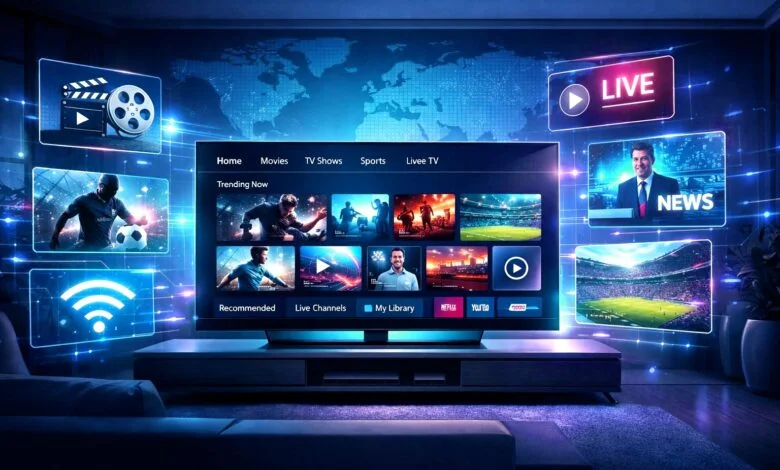
Television has evolved considerably as internet technology has become faster and more accessible. For decades, viewers depended primarily on cable, satellite, and terrestrial broadcasting to access their favorite programs. Today, internet-based television has created another way to watch live channels and digital entertainment across a growing range of devices.
Internet Protocol Television, commonly known as IPTV, uses an internet connection to deliver television programming. Instead of depending exclusively on traditional broadcasting infrastructure, this technology allows content to be transmitted through internet networks. Depending on the provider, viewers may have access to live television, on-demand programming, international channels, and other entertainment options.
As more households use smart TVs, streaming devices, smartphones, tablets, and computers, internet-based television has become increasingly relevant to modern viewing habits.
What Is IPTV and How Does It Work?
IPTV is a method of delivering television content through an internet connection. When a viewer selects a channel or program, the requested content is delivered through the provider’s network to a compatible device.
The experience can vary depending on the service. Some platforms focus primarily on live television, while others combine live channels with video-on-demand libraries and additional features.
Unlike traditional television systems, internet-based services can potentially be accessed across several compatible devices. This flexibility is one of the reasons consumers are increasingly interested in exploring online television options.
However, users should understand that IPTV itself is a delivery technology. The quality, channel selection, pricing, and legality of a particular service depend on the provider and the content rights associated with its programming.
Why Viewers Are Interested in Internet Television
Convenience is one of the biggest advantages of modern internet television. Consumers are no longer necessarily tied to a single television set. Depending on device support, they may be able to access their entertainment through a smart TV, computer, tablet, or mobile device.
This flexibility fits the way people consume media today. A viewer might watch live programming on a television at home, use a laptop while working, or watch content on a mobile device while traveling.
Another important factor is content variety. Many internet television services organize programming into categories such as news, entertainment, sports, documentaries, movies, and international channels. This can make it easier for viewers to explore programming that matches their interests.
For people researching different platforms, learning more about iptv can be a useful starting point when comparing the features and possibilities of internet-based television.
Choosing the Right IPTV Provider
The growing number of IPTV providers means consumers should compare services carefully. A provider advertising a very large channel selection may appear attractive, but channel quantity is not the only factor that determines value.
Start by considering the type of content you actually watch. If you primarily follow news, sports, international programming, or entertainment channels, look for a service that offers relevant content rather than simply focusing on a large numerical channel count.
Device compatibility is another important consideration. Before signing up, users should check whether the service supports their preferred smart TV, streaming device, computer, smartphone, or tablet.
A straightforward setup process can also make a significant difference. Clear instructions and accessible customer support can help users resolve technical issues more efficiently.
Streaming Quality Depends on Several Factors
A smooth viewing experience depends on more than the IPTV provider alone. The quality of your internet connection, home network, device, and streaming infrastructure can all affect performance.
High-definition video requires more bandwidth than standard-definition programming. If several devices are using the same internet connection simultaneously, available bandwidth may become limited.
Wi-Fi performance can also influence streaming. A television located far from the router may experience a weaker signal, particularly when walls or other obstacles interfere with connectivity. In suitable setups, an Ethernet connection can provide a more consistent network connection.
Users should therefore evaluate their home internet environment before assuming that every streaming issue is caused by the television service itself.
Security and Legitimacy Matter
Consumers should also research the legitimacy of an IPTV provider before purchasing a service. Not every online television platform operates under the same licensing arrangements.
Channel availability and distribution rights can differ between countries, so users should verify that the provider has the appropriate authorization to distribute the programming it offers in their region.
Security is another consideration. Consumers should be cautious when entering personal or payment information on unfamiliar websites. Researching a provider, checking independent reviews, and using secure payment practices can reduce unnecessary risks.
IPTV and the Future of Television
The increasing popularity of internet television reflects a larger shift in how people consume media. Viewers increasingly expect entertainment services to be flexible, accessible, and compatible with the devices they already own.
This does not necessarily mean traditional television will disappear. Cable, satellite, and terrestrial broadcasting continue to serve millions of viewers. Instead, internet television gives consumers another option and contributes to a more diverse entertainment landscape.
As broadband infrastructure improves and connected devices become more common, internet-based television is likely to continue developing. Providers may introduce better interfaces, improved streaming technology, personalized recommendations, and broader device compatibility.
Final Thoughts
IPTV represents an important development in the evolution of television. By delivering programming through internet networks, it can provide viewers with greater flexibility and access across compatible devices.
Choosing a service, however, requires careful research. Consumers should evaluate content selection, device compatibility, streaming reliability, customer support, security, and legitimate content distribution before making a purchase.
The best approach is to focus on actual viewing needs rather than promotional claims alone. By comparing providers carefully and maintaining a reliable internet connection, viewers can make more informed decisions about whether internet-based television is suitable for their modern entertainment setup.







Comment