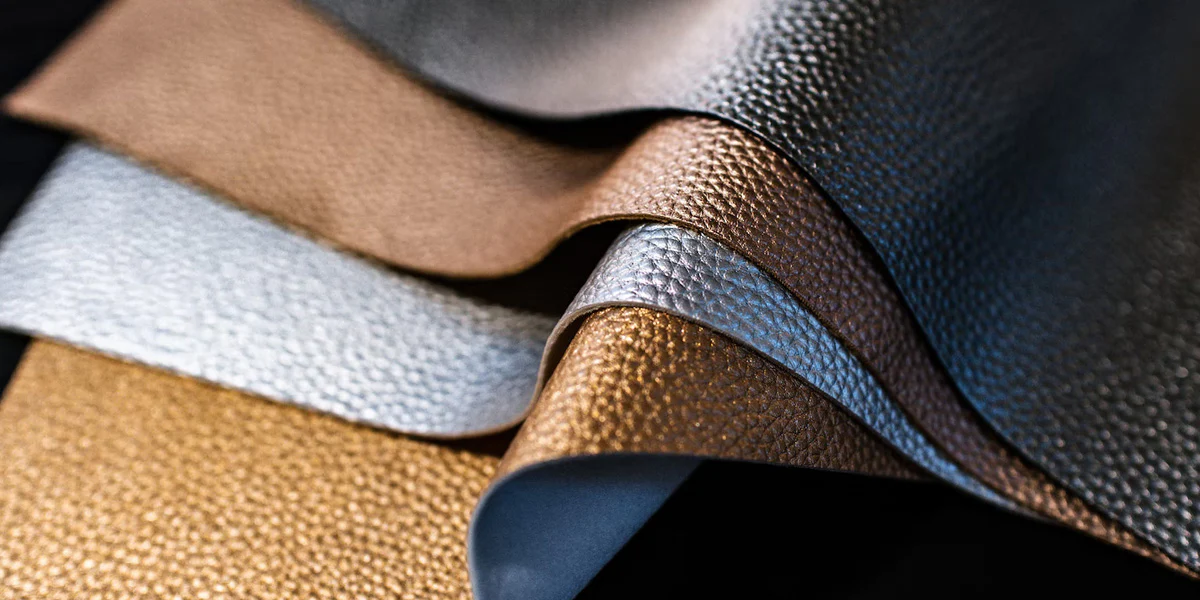
If you’re sourcing synthetic leather for products like bags, furniture, or automotive interiors, understanding how it’s made isn’t just “nice to know.” It directly affects quality, consistency, and long-term performance.
Many buyers run into the same issues—unstable batches, peeling surfaces, or materials that look good in samples but fail in production. Most of these problems trace back to how the material is actually manufactured.
Let’s walk through the real process behind modern Faux Leather Manufacturing, in a way that helps you make better sourcing decisions.
1. Base Fabric Preparation (The Foundation Matters More Than You Think)
Every faux leather starts with a base layer, usually:
- Polyester fabric
- Non-woven microfiber
- Knitted backing
This layer determines strength, flexibility, and how the final product behaves during sewing or forming.
In lower-cost production, factories often use inconsistent fabric density to cut costs. The result? Uneven stretching or tearing during use.
A stable manufacturer will standardize:
- Fabric weight (gsm)
- Yarn structure
- Tension control during coating
This is why two materials that look identical can perform completely differently in real applications.
2. Coating Process (Where Quality Starts to Show)
The next step is applying a polymer layer onto the fabric. This is typically:
- PU (polyurethane)
- PVC (polyvinyl chloride)
- Or hybrid systems
The coating can be done using:
- Knife coating
- Transfer coating
- Direct coating
Each method affects surface smoothness and durability.
For example, transfer coating creates a more uniform surface, which is often used for higher-end products like handbags or upholstery.
The key control points here include:
- Coating thickness
- Adhesion strength
- Curing temperature
Poor control at this stage leads to common issues like:
- Surface cracking
- Delamination
- Inconsistent texture
3. Embossing & Surface Texture (Where Products Differentiate)
Once coated, the material goes through embossing to create texture.
This is where the material starts to resemble:
- Natural leather grain
- Fabric patterns
- Custom textures for branding
Embossing is done using heated rollers with engraved patterns.
What many buyers overlook is consistency.
If temperature or pressure fluctuates, you’ll see:
- Pattern distortion
- Color variation
- Gloss inconsistency between batches
For brands, this becomes a serious problem when reordering.
4. Surface Finishing (Performance Is Built Here)
After embossing, additional finishing layers are applied.
These determine:
- Scratch resistance
- Water resistance
- UV stability
- Hand feel (soft, matte, glossy)
Typical finishing includes:
- Topcoat application
- Anti-scratch treatment
- Matte or high-gloss adjustment
In higher-end faux leather, this step is carefully engineered depending on the final application.
For example:
- Sofa materials need abrasion resistance
- Bags require flexibility + anti-peeling
- Automotive interiors need heat and UV stability
5. Drying & Curing (The Hidden Stability Factor)
This stage is often underestimated.
Materials go through controlled ovens to:
- Remove solvents
- Stabilize the polymer structure
- Lock in adhesion between layers
If curing is rushed or uneven:
- The material may look fine initially
- But fail after weeks or months of use
This is one of the biggest reasons why some suppliers have “good samples but bad bulk orders.”
6. Quality Inspection & Cutting
Before delivery, the material is:
- Inspected for defects
- Tested for thickness and performance
- Cut into rolls or sheets
Reliable factories will check:
- Color consistency
- Surface defects
- Adhesion strength
Some also simulate real use conditions like:
- Flexing tests
- Abrasion tests
What This Means for Buyers
Understanding the process helps you avoid common sourcing risks.
Instead of just comparing price, you can ask better questions:
- What coating method is used?
- How is batch consistency controlled?
- What testing is done before shipment?
- Can the structure be adjusted for my application?
In real projects, these details matter more than small price differences.
Final Thoughts
Faux leather isn’t a single product—it’s a system of materials, processes, and controls.
Two suppliers may offer similar-looking samples, but their manufacturing approach can lead to completely different outcomes in your final product.
If you’re building a brand or scaling production, working with a supplier that understands the full Faux Leather Manufacturing process is what keeps your product consistent, not just competitive.