Modern buildings are increasingly complex, requiring advanced systems to maintain comfortable and energy-efficient environments. Innovations in sensors, automation, and data analytics are enabling building managers to monitor conditions in real time and adjust heating, ventilation, and air conditioning systems with unprecedented precision. These technologies not only optimize comfort for occupants but also reduce operational costs and environmental impact. As smart systems collect more data, they become better at predicting patterns of use and environmental fluctuations, making buildings more responsive and adaptive.
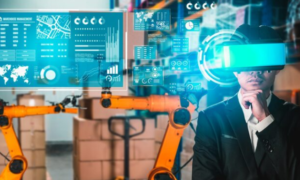
Another factor driving change is the integration of connected devices and IoT solutions. By linking thermostats, vents, and environmental sensors, facility managers can gain a complete overview of indoor climate dynamics. This level of visibility allows for fine-tuning across multiple zones, ensuring consistent comfort throughout the building. Energy usage patterns can be analyzed to identify inefficiencies, and systems can be programmed to make automatic adjustments. This proactive approach is transforming the management of indoor climates from a reactive to a predictive discipline.
Modern Approaches to AC repair and System Maintenance
Keeping indoor climate systems operating efficiently requires regular maintenance and timely interventions. According to a top-ranked HVAC service, AC repair is an essential component in preventing system failures that could compromise comfort and efficiency. Advances in diagnostics now allow technicians to identify potential issues before they escalate, using sensors that monitor performance metrics such as temperature variance, airflow, and refrigerant levels. By addressing problems early, businesses can avoid costly downtime and ensure consistent climate control across their facilities.
In addition, technology is changing how AC repair services are delivered. Remote monitoring platforms allow technicians to access system data from anywhere, providing guidance and support without the need for immediate on-site visits. Predictive maintenance schedules informed by real-time data reduce emergency repairs and extend the lifespan of equipment. This integration of technology with traditional service practices ensures that indoor climate systems remain reliable and efficient, supporting occupant comfort and operational continuity.
Intelligent Automation and Energy Optimization
Automation has become a cornerstone of modern climate management, allowing systems to adjust themselves based on occupancy, weather conditions, and usage patterns. Smart thermostats and environmental controls learn from daily routines and adapt heating or cooling to optimize both comfort and energy use. This approach minimizes waste while maintaining consistent conditions in all areas of a building. Energy savings from intelligent automation are increasingly important for organizations seeking to reduce operating costs and meet sustainability targets.
Energy optimization also benefits from advanced analytics and machine learning. By analyzing historical data and real-time conditions, systems can forecast demand and adjust operation accordingly. This reduces peak energy loads and allows for better integration with renewable energy sources. The combination of automated controls and predictive analytics ensures that climate systems operate at peak efficiency, maintaining comfort while reducing environmental impact.
Data-Driven Insights for Facility Managers
Facility managers are gaining unprecedented insight into building performance through integrated monitoring systems. These platforms collect data from multiple sensors, providing a comprehensive view of temperature, humidity, air quality, and system efficiency. With this information, managers can make informed decisions about resource allocation, scheduling maintenance, and planning upgrades. The ability to track performance over time also enables benchmarking and continuous improvement initiatives.
The use of dashboards and reporting tools further enhances decision-making. Visualizations make it easier to identify trends, spot anomalies, and prioritize interventions. These insights are critical in large or multi-site operations where maintaining consistent indoor climate conditions is a complex task. By leveraging data-driven approaches, managers can improve operational efficiency while enhancing the comfort and productivity of occupants.
Future Trends in Climate Control Technology
The future of indoor climate management is closely tied to emerging technologies such as AI, IoT, and advanced materials. AI-powered systems will be capable of learning more sophisticated patterns, predicting environmental shifts, and adjusting conditions proactively. IoT connectivity will continue to expand, connecting even more devices and allowing for more granular control. New materials with improved thermal properties and energy efficiency will further enhance system performance.
Sustainability is also shaping future trends. Energy-efficient systems that integrate renewable sources and optimize resource consumption are becoming standard in new constructions and retrofits. The focus is shifting from simple temperature regulation to holistic environmental management, including air quality, humidity, and occupancy comfort. Buildings equipped with these technologies will not only provide better living and working conditions but also support broader sustainability goals, demonstrating the convergence of technology, comfort, and responsibility.
Emerging technologies will also foster greater collaboration between building designers, engineers, and operators. Shared platforms and data integration will allow multiple stakeholders to make decisions that enhance efficiency and occupant experience. This collaborative approach ensures that buildings are optimized from design through daily operation, creating environments that are both technologically advanced and user-centric. By anticipating future needs, these innovations make it possible to maintain high performance standards while reducing long-term costs and environmental impact.
Advancing Comfort and Efficiency for Modern Buildings
Buildings are no longer passive structures; they are dynamic systems that respond to human needs and environmental conditions in real time. The integration of smart technologies, predictive maintenance, and automated controls is transforming how indoor climates are managed. Occupants benefit from consistent comfort, while operators enjoy lower costs and reduced environmental impact. These advancements mark a significant evolution in building management, demonstrating how technology can improve everyday experiences without being intrusive.
As these systems continue to evolve, the role of technology will become even more central in ensuring efficient, reliable, and sustainable indoor environments. By embracing innovation, facility managers and building owners can create spaces that are not only comfortable but also smarter, more efficient, and more responsive to changing needs. This holistic approach reflects a new era in building management where technology and human experience work in harmony to optimize indoor climate conditions.
Looking ahead, continuous advancements in monitoring, automation, and data analytics will further elevate indoor climate management. Predictive capabilities and adaptive technologies will allow buildings to respond to changing conditions instantaneously, ensuring comfort without excess energy use. The combination of innovation, sustainability, and operational efficiency positions modern buildings to meet the demands of occupants and the environment alike, setting a standard for intelligent and resilient infrastructure.