
How Digital Eye Strain Impacts Tech Productivity


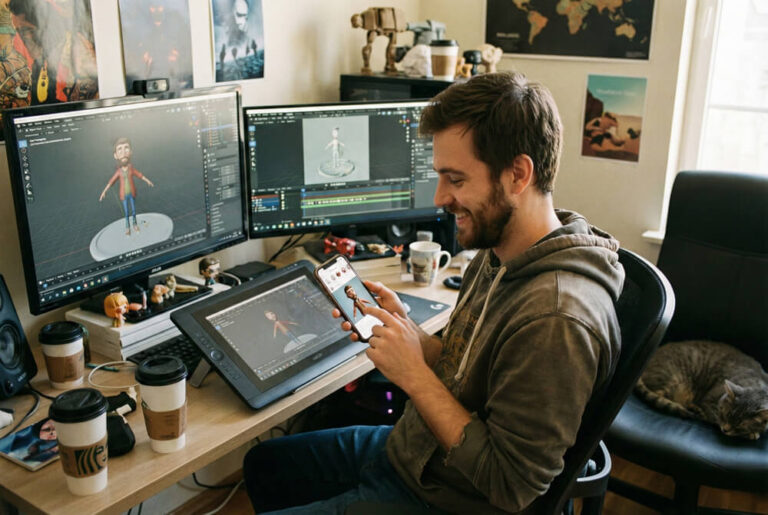
Staring at a monitor for nine hours straight is the standard baseline for most tech jobs. Software engineers, data analysts, and system administrators spend their entire days navigating complex environments, debugging lines of code, and jumping between communication tools. This intense focus creates a hidden tax on the human body.
The physical toll of processing constant light and sharp text causes a silent drain on daily output. When eyes grow tired, clarity fades away, and mental energy follows right behind it. Protecting your vision becomes a necessity for maintaining professional performance over a long career.
Why Standard Ergonomics Fail to Fix the Problem
Many companies invest heavily in standing desks, ergonomic chairs, and specialized keyboards to keep their developers comfortable. While these tools help with back alignment, they completely ignore the optical stress happening inches away.
Employees often try to fix the issue by purchasing specific eyewear to block harsh glare. You can shop blue light glasses to help reduce the strain caused by high-energy visible light wavelengths. Using specialized eyewear adds a layer of defense that standard office furniture cannot provide.
The Vicious Cycle of Constant Digital Interruptions
The nature of technical project management requires keeping multiple communication channels open at once. Developers cannot simply lock themselves in a room and code without talking to product managers or QA teams. Data shows that the average worker faces 275 digital interruptions per day – one every two minutes.
Every single notification forces the eye to refocus on a new part of the screen or a different device entirely. This constant shifting prevents the optical system from resting or adjusting to a stable focal point.
Rising Screen Time Benchmarks Across the Industry
Remote work and global teams mean that the workday rarely has a hard stop. Engineers log back into servers late at night to check on automated builds or review pull requests from international colleagues. Industry tracking showed that employees were reporting 97 hours of screen time per week, which is nearly one hour more per week compared to last year.
This continuous exposure leaves zero time for the eyes to recover in natural light. The boundaries between professional screen use and personal downtime have completely vanished.
General Workplace Stress and Employee Effectiveness
The strain of managing visual discomfort creates a cascade of mental fatigue that affects decision-making. When a developer fights a headache all afternoon, their ability to solve complex architectural problems plummets.
A comprehensive workforce report stated that 69% of workers report that these issues hamper their productivity and overall effectiveness at work. Mistakes happen more frequently when people are physically uncomfortable. Fixing buggy code written during moments of extreme fatigue takes twice as long the next morning.
Generational Trends and Shifting Visual Health
The youngest members of the technical workforce are entering the industry with higher baseline screen usage than any generation before them. They handle everything from communication to education on mobile devices and laptops.
A workplace health study found that 82% of Gen Z employees report working longer hours, and 54% say this has impacted their eye health. This trend indicates that the problem will worsen as the industry relies more on younger talent. Early intervention is the only way to prevent widespread chronic issues down the road.
Common Symptoms That Engineers Routinely Ignore
- Persistent dry eyes that make blinking feel gritty or uncomfortable after lunch
- Mild double vision or temporary blurring when looking at distant objects across the room
- Dull headaches centered right behind the brow line or temples during long debugging sessions
- Increased sensitivity to bright overhead office lighting or sunlight during outdoor breaks
Systemic Risks of Computer Vision Syndrome
Ignoring the early warning signs of visual strain leads to a formal diagnosis of Computer Vision Syndrome. This condition combines muscular strain with surface dryness caused by a lack of blinking while looking at code.
A professional health organization reports that 75% of digital device users experience symptoms of computer vision syndrome. This high percentage shows that the condition is an industry-wide epidemic rather than an isolated issue. Left unmanaged, it forces people to step away from keyboard-heavy roles entirely.
Strategic Adjustments for Tech Environments
- The 20-20-20 rule, which requires looking at something 20 feet away for 20 seconds every 20 minutes
- Matching the room brightness to the monitor intensity to prevent harsh contrast imbalances
- Increasing font sizes in integrated development environments to reduce micro-straining while reading text
- Utilizing matte screen protectors to diffuse reflections from windows and bright overhead lights

Long-term success in the technology sector requires treating your body like a precision instrument. Your eyes are the primary gateway for processing information, writing code, and collaborating with your team. Making intentional choices about screen distance, room lighting, and protective eyewear preserves your stamina for complex tasks.
Small adjustments to your daily workspace setup pay massive dividends over years of intense development work. True productivity is built on a foundation of physical well-being and sustainable habits.




Comment