
How Digital Budgeting Tools Are Turning Financial Plans Into Everyday Habits

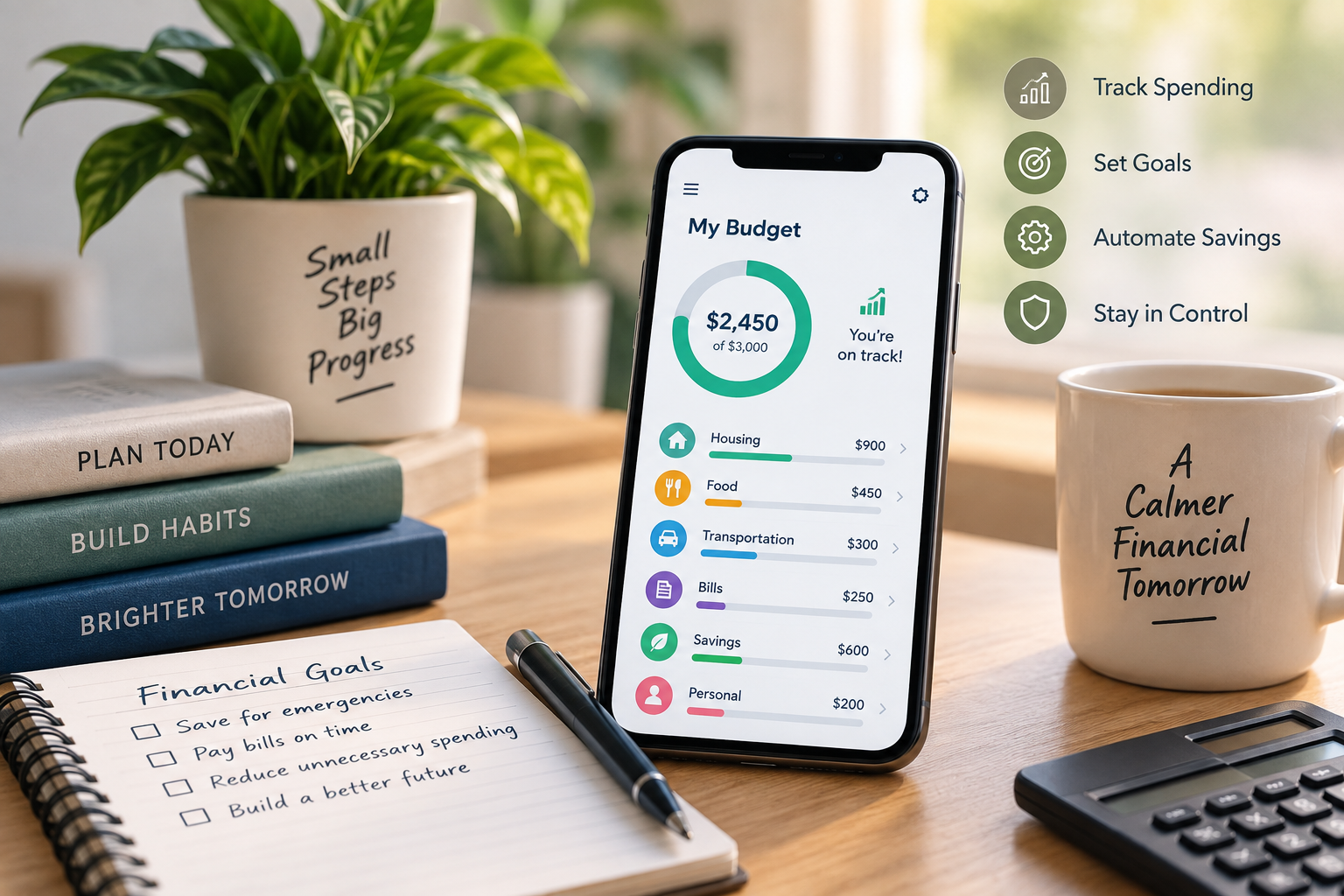
Financial technology is often discussed in terms of faster payments, automated investing, or access to new financial products. Yet one of its most practical effects is much simpler: helping people understand where their money goes and what they want it to do next.
Digital budgeting tools have moved far beyond basic expense lists. Modern platforms can organize transactions, track recurring bills, monitor progress toward savings targets, and alert users when actual spending begins to diverge from a plan. The technology does not create income or eliminate difficult trade-offs, but it can shorten the distance between a financial intention and an everyday action.
That distinction matters. Many households already know they should plan for irregular expenses, build a reserve, and review subscriptions. The challenge is maintaining those habits while work, family responsibilities, and changing costs compete for attention.
From Static Spreadsheets to Living Plans
Traditional budgets are often created once and then forgotten. A person estimates monthly income, assigns amounts to categories, and discovers several weeks later that the plan no longer reflects reality.
Digital tools can make the budget more responsive. When connected to financial accounts, an application may categorize recent transactions and display updated balances. Users can see whether groceries, transportation, household bills, or discretionary purchases are tracking above or below expectations.
This does not mean automated categorization is always correct. A payment to a large retailer could represent groceries, medication, school supplies, or several categories at once. The most useful platforms make corrections easy and learn from repeated user choices.
The result is not a perfect financial record. It is a plan that can be reviewed while decisions are still adjustable.
Technology Can Make Goals More Concrete
A goal such as “save more” provides little guidance during a busy week. A digital budgeting tool can translate that intention into a named category, a target date, and a recurring contribution.
This is one reason a clear explanation of how a budget supports financial goals can be more valuable than a long list of app features. Technology works best after the user has decided what the money is meant to accomplish.
A well-designed tool can then show progress in ways that are easy to understand. Instead of displaying only an account balance, it may indicate how much has been reserved for an upcoming vehicle repair, annual insurance payment, move, education expense, or emergency cushion.
Progress indicators can also make small contributions feel meaningful. A person who cannot fund a large goal immediately can still see that consistent smaller amounts are moving the plan forward.
Automation Reduces Repeated Decisions
Budgeting fatigue often comes from making the same choice repeatedly. Should money be moved into savings this week? Is there enough left after the next bill? Has a nonmonthly expense already been considered?
Automation can reduce this mental workload. Scheduled transfers, recurring-category rules, bill reminders, and low-balance alerts turn parts of the plan into repeatable systems.
The Consumer Financial Protection Bureau’s Your Money, Your Goals resources include tools for tracking income and bills, managing cash flow, addressing debt, and working toward personal goals. Digital platforms can make similar planning activities easier to revisit, but the underlying decisions still belong to the user.
Automation should therefore include appropriate safeguards. Transfers need to account for variable income, pending bills, and the risk of overdrawing a transaction account. A useful platform allows the user to pause or adjust the system without losing the structure of the overall plan.
Better Tools Are Adapting to Irregular Income
Many conventional budgeting systems assume that income arrives in the same amount on the same dates every month. That model does not fit freelancers, hourly workers, seasonal employees, gig workers, commission-based professionals, or small-business owners.
Newer budgeting products increasingly recognize this reality. Rather than building every decision around a fixed monthly salary, they can help users identify a conservative baseline, rank upcoming expenses by urgency, and assign new income as it arrives.
This approach is particularly valuable for anyone learning how to budget on a low income, where small timing differences can determine whether an essential bill is covered. A polished chart is not enough; the tool must clearly distinguish money that is currently available from money expected later.
Platforms can also improve forecasting by identifying bills that occur quarterly, annually, or on changing dates. Including those obligations in advance reduces the chance that a predictable expense will be treated as an unexpected crisis.
Predictable and Unpredictable Costs Need Different Treatment
Digital budgeting tools often place all savings goals in one section. That can hide an important distinction.
Some costs are unpredictable. A sudden loss of income, urgent repair, or necessary medical expense may require emergency savings. Other costs are expected but do not occur every month, such as annual memberships, vehicle registration, holiday purchases, or routine maintenance.
Separating these categories helps users understand whether they are preparing for a known future bill or protecting themselves from a genuine surprise. A practical comparison of a sinking fund and an emergency fund can help users establish clearer rules before configuring automated savings categories.
Technology can reinforce those rules with separate balances, labels, and progress indicators. It can also prevent one goal from quietly consuming money intended for another.
Notifications Should Inform, Not Create Anxiety
Alerts are among the most visible features of financial applications. They can warn users about an approaching bill, unusual spending, a missed target, or a balance below a selected threshold.
Too many notifications, however, can make financial management feel more stressful. Users may begin ignoring all alerts when minor updates arrive constantly. Effective design prioritizes information that can lead to a useful action.
A weekly summary may be more valuable than several daily warnings. A notice that spending has increased should identify the category and provide context instead of using alarming language. Platforms should also let users decide which events deserve immediate attention.
The goal is not to make people think about money every hour. It is to surface the right information early enough for them to respond calmly.
Privacy and Security Are Core Product Features
Budgeting applications may handle transaction histories, account balances, income patterns, bill schedules, and detailed information about household behavior. That makes privacy and security central to product quality rather than optional technical features.
Users should understand what data an application collects, why it needs that information, whether it shares data with third parties, and how account access can be revoked. Strong authentication, encryption, secure software development, and responsible data retention all matter.
The National Institute of Standards and Technology publishes cybersecurity and privacy guidance covering risk management, identity and access management, privacy engineering, and the security of emerging technologies. Financial-technology providers can use recognized frameworks to build consistent protections rather than treating security as a one-time compliance exercise.
Consumers also need practical control. A platform should make it easy to disconnect an account, export useful records, delete information where permitted, and understand what happens after a subscription ends.
Useful Design Leaves Room for Real Life
A budget is not successful because every category matches an estimate exactly. Prices change, income varies, and priorities shift. Tools that treat every variance as failure may encourage users to abandon the process.
More helpful products make revision part of the workflow. They allow users to move amounts between categories, update a deadline, lower a contribution temporarily, or create a new category without rebuilding the entire plan.
This flexibility is especially important during major life changes. A move, new job, growing family, health expense, or change in housing can make an old budget irrelevant. The platform should preserve useful history while helping the user create a realistic new baseline.
What the Next Generation of Budgeting Technology Needs
The strongest budgeting products will not simply add more charts. They will reduce friction while preserving user control.
Several design priorities stand out:
- Clear explanations of how categories and projections are calculated
- Flexible support for irregular income and nonmonthly expenses
- Alerts based on meaningful actions rather than constant engagement
- Easy correction of automated transaction categories
- Separate treatment of short-term bills, planned costs, and emergency reserves
- Strong privacy controls and straightforward account disconnection
- Accessible language that does not assume financial expertise
Artificial intelligence may improve categorization and forecasting, but it should not obscure how recommendations are produced. Users need to know when a suggestion is based on their own transaction history, a general model, or an assumption that may not fit their circumstances.
The Bottom Line
Digital budgeting tools are most valuable when they help people turn a broad intention into a repeatable habit. Automation can reduce routine work, timely information can improve decisions, and flexible categories can make planning more realistic.
But technology cannot decide which goals matter most or eliminate the need to review the plan. The best platforms give users a clearer view of their money, protect the information required to provide that view, and make it easier to adjust when life changes.
Financial wellbeing is rarely created by one dramatic decision. More often, it develops through small choices made consistently. Digital tools can help those choices happen with less friction and greater clarity.







Comment