Competitive gaming once lived in internet cafés and local tournaments with modest prize pools. Today, it fills arenas, draws millions of online viewers, and supports professional teams with structured contracts. The shift from hobby to career did not happen overnight. It evolved through streaming platforms, sponsorship deals, and a growing recognition that elite gaming requires discipline similar to traditional sports.
In the early 2000s, tournaments focused on niche communities. Prize money covered travel costs and little more. As broadband access expanded, online competition flourished. Streaming services amplified player visibility, turning skilled competitors into public personalities. This visibility attracted brands, which introduced sponsorship revenue into the ecosystem.
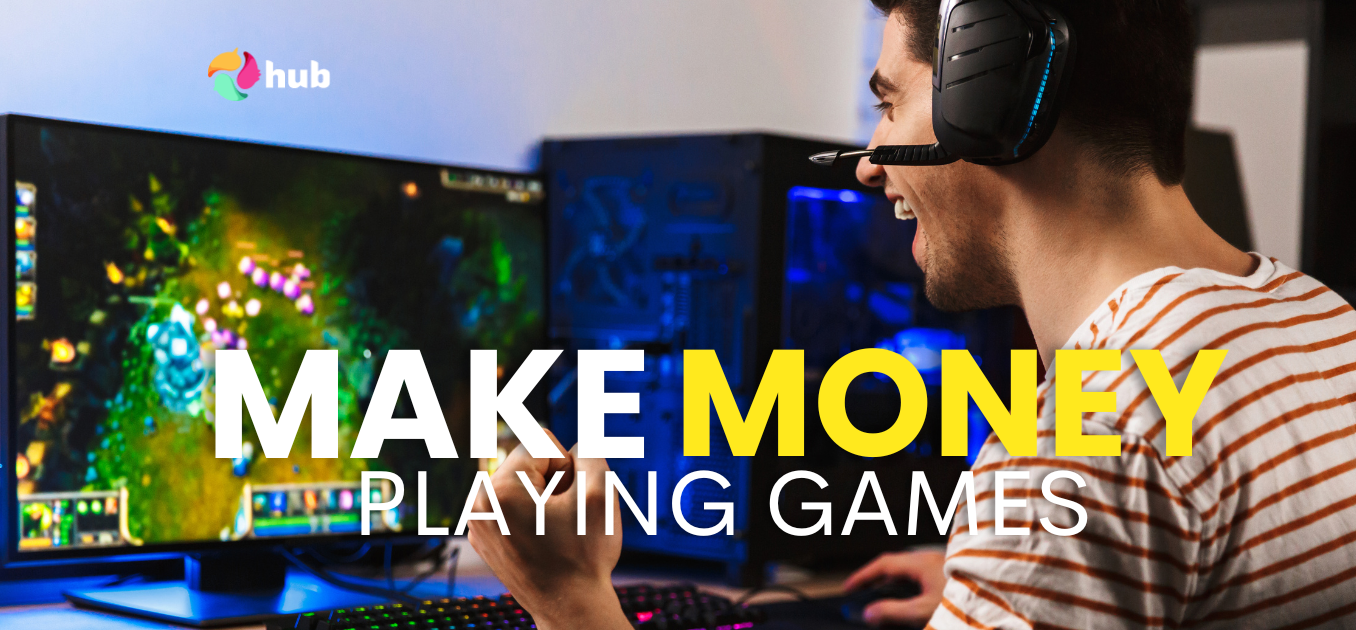
The rise of so-called money earning games changed perceptions further. Titles built around competitive ladders and esports circuits began offering substantial rewards. Players now train daily, review match footage, and work with coaches to refine strategies. Income flows from tournament winnings, streaming subscriptions, brand partnerships, and content creation tied to their competitive identity.
The Infrastructure Behind Pro Gaming
Professional gaming organizations now resemble sports clubs. Teams operate with analysts, managers, performance coaches, and marketing staff. Contracts define salaries, performance bonuses, and sponsorship obligations. Structured leagues create predictable seasons, media coverage, and sponsorship stability.
This professional framework encourages young players to pursue esports seriously. Talent scouting occurs through ranked ladders and amateur tournaments. Promising competitors join academy rosters before advancing to main teams. Training schedules can rival those of traditional athletes, often including physical conditioning and mental resilience work.
Game publishers also contribute by organizing global championships and regional leagues. Broadcast-quality productions with commentators and studio panels elevate esports into mainstream entertainment. Corporate sponsorships and media rights deals provide financial stability across multiple regions.
Smart Spending in a Competitive Scene
While top-tier professionals earn significant income, many aspiring players operate on limited budgets. Hardware upgrades, peripherals, and game purchases add up quickly. This is where a value-focused mindset becomes relevant.
Budget gaming refers to a practical, cost-conscious approach where players enjoy competitive titles without investing in premium hardware or paying full retail for every release. Within that strategy, Eneba supports gamers through a large catalog of discounted game keys and digital products offered at competitive prices with instant digital delivery, clear region and platform information, and secure payment systems. Product pages display Global or region-locked details for transparency, and the marketplace functions under controlled conditions where merchants are verified, must meet sourcing and compliance standards, and remain under ongoing monitoring with action taken if policies are breached. That clarity allows players to manage expenses while staying active in competitive environments.
For aspiring professionals, balancing ambition with financial discipline can be crucial. Lower entry costs create opportunities for more participants to test their skills and build an audience.
Streaming and Personal Branding
Competitive gaming expanded beyond tournament stages. Streaming platforms enabled players to monetize daily practice sessions and ranked matches. Audience engagement through chat interaction, subscriber perks, and sponsorship placements introduced recurring revenue streams.
Personal branding now plays a central role. Successful competitors cultivate recognizable identities across social media and streaming platforms. Consistency, communication skills, and content scheduling matter almost as much as in-game performance.
Tournament organizers benefit as well. Popular players draw viewers, which attracts advertisers and strengthens prize pools. This interconnected ecosystem reinforces gaming as a viable career path.
A Sustainable Future for Esports
Esports continues to mature. Educational institutions offer scholarships tied to competitive gaming programs. Corporate sponsors expand into new regions. Tournament production values rival established sporting events.
Professional gaming now demands discipline, marketing awareness, and business acumen alongside mechanical skill. What began as community competitions has transformed into a structured career option for dedicated players.
As digital distribution remains central to this ecosystem, access and affordability shape participation at every level. Digital marketplaces like Eneba offering deals on all things digital support both aspiring competitors and casual players who want to stay involved without overspending.