No one walks into a store, hospital, or bank thinking, “I hope I get to stand in a long line today.”
But it happens—every day. And here’s what most businesses miss: Customers rarely complain about waiting. They just don’t come back.
A report by PwC found that 1 in 3 customers will leave a brand after just one bad experience. Long wait times are often the experience. So this isn’t just about queues.
It’s about lost revenue, lost trust, and missed opportunities right at the front door.
In the following blog, let’s discover how Queue automation software helps remove the friction of wait time and improve the customer experience.
The Problem Isn’t the Line—It’s the Experience
Traditional queues are simple. Too simple.
- Everyone stands in the same line
- No one knows how long it’ll take
- Staff are guessing, not managing
- Customers feel stuck
There’s no visibility. No flexibility. No control. And in a world where people are able to order food, book rides, and get services instantly on their phones, such an experience feels outdated.
And that is where automated queue management makes all the difference.
What Automated Queue Management Does.
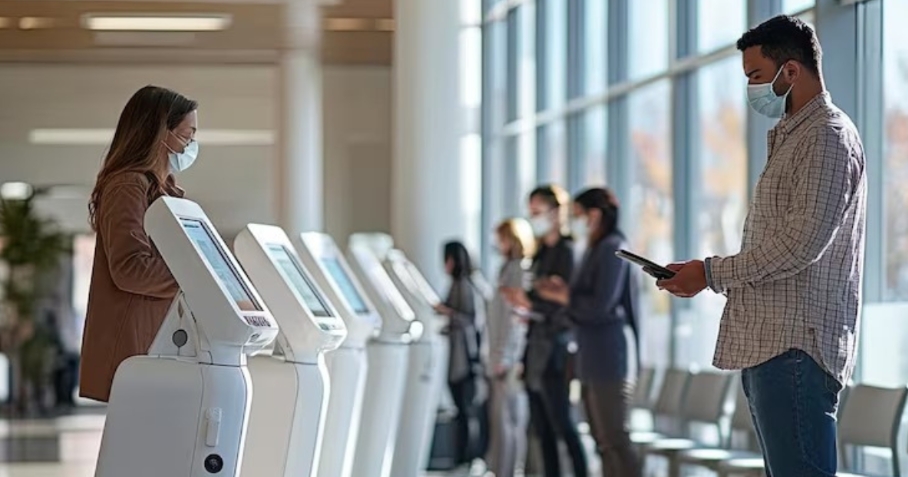
At its fundamental level, it eliminates the aspect of waiting physically. Instead of standing in line, customers can:
- Join a queue from their phone
- Book a time slot before they arrive
- Get notified when it’s their turn
From the business side, it brings structure:
- You see how many people are waiting
- You know peak hours
- You can manage flow in real time
It’s not about “managing a queue better.” It’s about making waiting feel almost invisible.
How It Actually Reduces Wait Time
Let’s break this down in a practical way.
1. People Stop Standing in Line
This is the biggest shift. Once the customers can check in remotely, the physical crowd is eliminated. The customers can wait in a car, cafe, or even at home.
Here is the interesting part: Although the real wait time may remain the same, it seems shorter. And perception matters more than the clock.
2. You Stop Guessing and Start Managing
In a manual setup, staff react when things get busy. With an automated system, you can see:
- How many people are waiting
- How long have they been waiting
- Which service points are overloaded
So instead of reacting late, you adjust early.
Open another counter. Redirect traffic. Speed things up. That alone cuts down delays significantly.
3. Not Every Customer Is Treated the Same
This is something most businesses overlook.
A walk-in customer, a pre-booked appointment, and an urgent case shouldn’t be in the same line. Automated systems allow you to:
- Prioritize certain customers
- Handle appointments separately
- Manage urgent cases faster
That removes bottlenecks and keeps things moving.
4. Appointments Reduce Chaos
Walk-ins create unpredictable rush hours. Appointments smooth things out. When customers book in advance:
- You know how many people are coming
- You can plan staffing better
- You avoid sudden overload
It’s the difference between control and chaos.
5. Customers Stay Informed
One of the biggest reasons people get frustrated isn’t the wait; it’s not knowing.
“How long will this take?”
“Did they forget about me?”
Automated updates solve that instantly.
A simple message like:
“You’re next in 10 minutes.”
…can completely change how a customer feels.
Why This Improves Customer Satisfaction So Much
Here’s something simple but powerful:
People don’t mind waiting. They mind wasting time!
When you give them:
- Clear wait times
- Remote wait
- Control over their schedule
The experience feels respectful. And that’s what customers remember.
According to research, 73% of customers say experience matters as much as the product or service itself.
Queue management sits right at the center of that experience.
What This Looks Like in Real Life
You’ve probably already seen this shift happening.
- Patients can check in digitally in hospitals and do not have to stand in long queues.
- In the retail outlets, customers wait by browsing rather than waiting in a standing position.
- In banks, customers are called based on service type, not just arrival time
- In government offices, the chaos is slowly being replaced by structured flow
Different industries. Same outcome. Less stress. Faster service. Better experience.
The Part Most Businesses Undervalue: Data
This is where things go from “better” to “smarter.” Automated systems show you:
- When your busiest hours are
- How long customers actually wait
- Which counters perform best
So instead of guessing what’s wrong, you see it clearly. And once you see it, you can fix it.
What Happens If You Don’t Change Anything?
Let’s be direct. If your queues are long and unmanaged:
- Customers will leave
- Reviews will reflect it
- Staff will feel the pressure
- Revenue will quietly drop
Not overnight. But steadily. Because today, people have options. And they choose convenience.
So, What Should You Look For?
If you’re considering upgrading your queue system, keep it simple.
Look for something that:
- Works for both walk-ins and appointments
- Gives real-time visibility
- Scales as you grow
- Fits your industry, not just “any business.”
This isn’t about adding software. It’s about fixing a core part of your customer journey.
The Shift Is Already Happening
The businesses doing this well aren’t talking about queues anymore.
They’re focused on:
- Reducing friction
- Saving customer time
- Making service feel smooth
And once you experience that level of flow, there’s no going back.
Final Thought
The shift has already begun. Customers may forget what they bought. But customers won’t forget how long they had to wait to get it.
Businesses across healthcare, retail, banking, and government are shifting to smarter and automated queue systems, not only to cut wait times, but to transform how their customers experience their brand.
The real opportunity isn’t managing queues better.
It’s building a system where waiting no longer feels like waiting at all. So the real question is:
Are your customers experiencing your service… or just waiting for it?