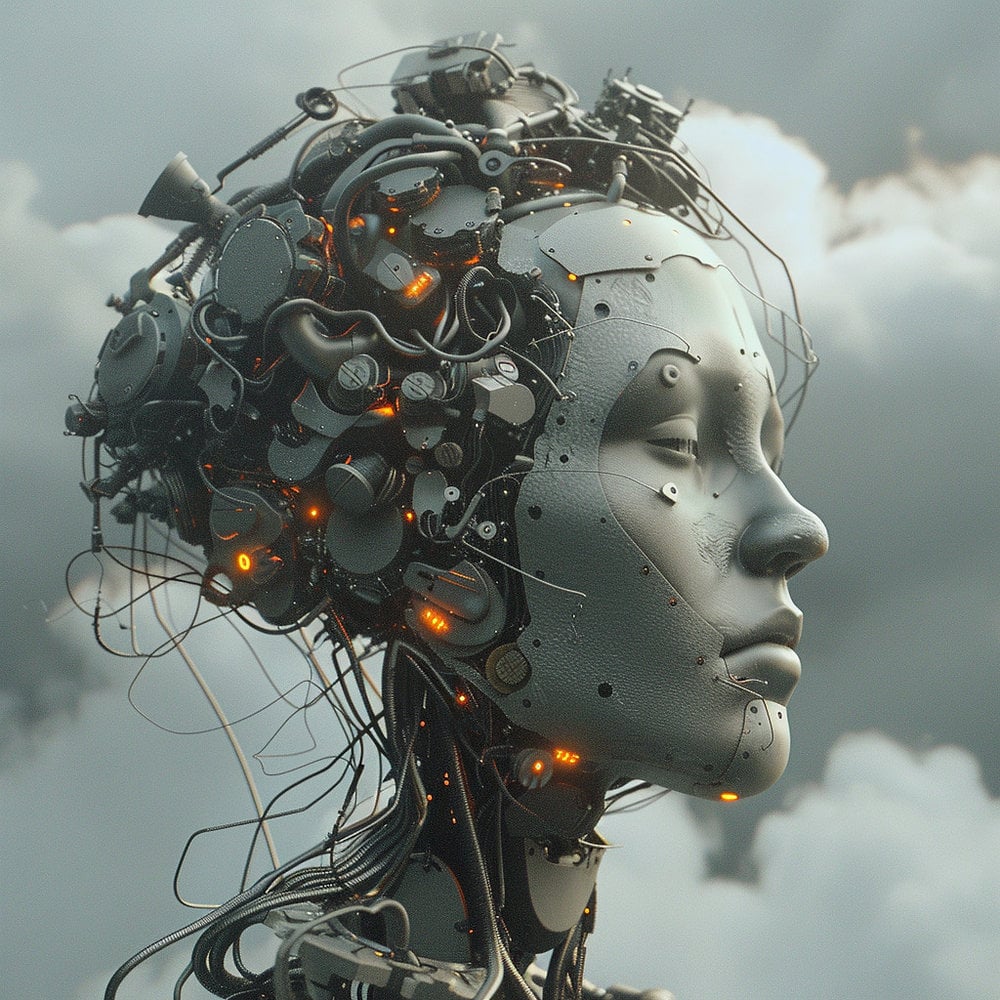
Artificial intelligence is transforming image creation, but its impact goes far beyond generating new visuals. AI is also changing how existing images are edited, restored, enhanced, and prepared for different uses.
For photographers, designers, marketers, and everyday creators, this means many traditionally time-consuming editing tasks can now be approached with intelligent tools. Instead of manually adjusting every element, creators can use AI to make targeted changes while maintaining greater control over the original image.
The Evolution of Image Editing
Traditional image editing often requires knowledge of layers, masks, selections, filters, and other technical tools.
Even relatively simple changes can take time when they need to be completed precisely.
AI-assisted editing introduces a more flexible approach. Creators can describe the change they want or allow AI to identify specific elements within an image.
This makes image editing more accessible while also speeding up repetitive tasks.
What an AI Image Editor Can Do
An AI photo editor can help creators modify existing images using intelligent editing capabilities.
Depending on the tool, users may be able to remove unwanted objects, replace backgrounds, adjust specific areas, or make creative changes without manually rebuilding the entire composition.
For example, a product marketer could take an existing product photograph and experiment with different backgrounds for various advertising campaigns.
Instead of arranging a new photoshoot for every concept, the original image can become the foundation for multiple creative variations.
Improving Image Quality With AI
Not every image starts with perfect quality.
Old photographs, compressed images, screenshots, or images captured in difficult conditions may contain noise, blur, low resolution, or missing details.
An AI image enhancer can analyze an image and attempt to improve aspects such as sharpness, resolution, clarity, and overall visual quality.
This can be particularly useful when creators need to reuse older assets for modern platforms.
Bringing Older Images Back to Life
Image restoration is another area where AI can be useful.
Historical photographs may have faded colors, scratches, noise, or other imperfections. AI-powered enhancement tools can help restore some of these characteristics and produce a cleaner version of the original image.
For families, photographers, archives, and creative projects, this can provide a practical way to work with older visual material.
However, restoration should be approached carefully. When historical accuracy matters, creators should distinguish between genuine restoration and AI-generated reconstruction.
AI Editing for Marketing
Marketing teams constantly need to adapt visual assets.
A single product image might be required for a website, social media campaign, advertisement, presentation, and promotional banner.
An AI image editor can help create variations without requiring the entire image to be redesigned each time.
For example, marketers might change:
- Background environments
- Product placement
- Lighting
- Image composition
- Unwanted objects
- Visual elements
- Aspect ratios
This can make creative production more flexible.
Enhancing Images for Digital Platforms
Different platforms often require different image specifications.
An image that looks good on a desktop website may need adjustments before being used in a social media post or digital advertisement.
An AI image enhancer can help improve the visual quality of assets before they are resized or repurposed.
This is particularly useful when businesses need to reuse existing creative material across multiple channels.
AI and E-Commerce Photography
Online stores depend heavily on product imagery.
Customers cannot physically interact with products before purchasing, so high-quality images are important for communicating details and building confidence.
AI editing tools can help e-commerce teams create cleaner product presentations.
A business could use an AI image editor to remove distracting elements, change a background, or create alternative compositions while keeping the product itself visually consistent.
Making Creative Experiments Easier
AI editing also makes experimentation less expensive.
A designer might wonder how an image would look with a different environment, lighting setup, or composition.
Traditionally, testing each possibility could require significant manual work.
With AI-assisted editing, creators can explore several versions quickly and compare the results.
The objective isn’t necessarily to automate the entire creative process. Instead, AI allows creators to explore more possibilities before selecting the strongest direction.
Human Creativity Still Matters
AI can make editing faster, but it does not replace creative judgment.
A designer still needs to decide whether an edit improves the image or damages its visual message.
For professional work, creators should review AI-generated changes carefully. Small inaccuracies, unnatural details, or unwanted modifications can sometimes go unnoticed without human inspection.
AI works best as an assistant that expands creative possibilities while leaving final decisions to the creator.
Challenges and Considerations
AI-powered image editing also raises important questions about authenticity.
For commercial and editorial images, significant AI modifications may change the meaning of the original content.
Creators should therefore consider whether an image needs to represent reality accurately or whether creative manipulation is acceptable for the intended purpose.
Copyright, licensing, privacy, and consent should also be considered when editing images containing people, brands, or protected creative material.
The Future of AI Image Editing
Image generation and image editing are increasingly becoming connected.
A creator might generate a new visual, edit specific elements, enhance its quality, and prepare several versions for different platforms—all within an AI-assisted workflow.
This could eventually make sophisticated image manipulation feel less like a specialized technical skill and more like a natural part of everyday creative work.
The biggest change may be the ability to move from “How do I edit this?” to “What do I want this image to become?”
Conclusion
AI is changing image editing by making complex visual tasks more accessible and flexible.
An AI image editor can help creators modify existing images and experiment with new compositions, while an AI image enhancer can improve the quality and usability of images that may otherwise be difficult to reuse.
Rather than replacing traditional design skills, these technologies provide creators with additional tools for experimentation, restoration, and refinement. The strongest results will continue to come from combining AI capabilities with human creativity, visual judgment, and careful editing.