The digital marketing landscape of 2026 is virtually unrecognisable from just a few years ago. With the rapid integration of artificial intelligence into everyday applications, consumer search habits have undergone a fundamental transformation. Today, relying on outdated digital playbooks is a fast track to obscurity for any modern enterprise. Businesses aiming to maintain their competitive edge are finding that navigating these complex technical requirements and new algorithmic shifts requires partnering with an experienced SEO agency rather than depending on legacy in-house tactics. As generative search and mobile-first indexing become the default standards worldwide, brands must completely rethink how they connect with their target audiences online.
The Rise of Zero-Click Search and Mobile Dominance
The way users interact with information online has shifted dramatically, particularly on mobile devices. A significant portion of online queries now ends without a single click to an external website. Recent industry data shows that approximately 60 to 65 percent of all search engine queries currently conclude directly on the results page. On mobile platforms, where instant AI answers and knowledge panels take up the majority of the limited screen space, up to 77 percent of searches end without an outbound click. This shift forces marketers to re-evaluate their primary performance metrics, moving away from sheer traffic volume toward brand impressions and authority building.
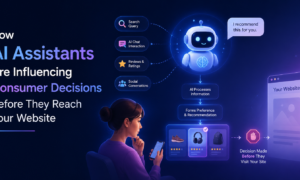
This behavioural shift is directly impacting website traffic across multiple sectors globally. As users increasingly rely on conversational AI platforms for instant answers, traditional search channels are experiencing a noticeable decline. In fact, a highly cited forecast by Gartner predicted that traditional search engine volume will drop 25% by 2026, due to AI chatbots and other virtual agents. When consumers opt into dedicated AI modes, zero-click rates can skyrocket even further, leaving standard web publishers completely isolated from conventional traffic sources unless they adapt their strategy.
How Generative AI is Reshaping Brand Discovery
Generative AI overviews have essentially monopolised the top of the search engine results page for complex, long-tail queries. When a user asks a multifaceted question, artificial intelligence synthesises data from various sources to provide a comprehensive answer instantly. A late-2025 study highlighted that the presence of these AI overviews correlates with a 58 percent lower average click-through rate for the top-ranking traditional organic web page. Paid search is facing similar disruption, with sponsored click-through rates dropping significantly when AI summaries push advertisements further down the mobile screen.
Alternative search platforms are also seizing market share at an unprecedented rate. Answer engines are now processing over a billion queries monthly, heavily targeting users with high-intent research needs. To survive this structural reconfiguration, industry experts advocate shifting from traditional optimisation to Generative Engine Optimisation. As highlighted in recent digital marketing coverage, ranking number one on a conventional results page is no longer the only metric that matters. Instead, success is defined by becoming a trusted source that large language models naturally cite and reference when formulating their automated responses.
Adapting Your Digital Strategy for 2026
While informational queries frequently trigger AI summaries, transactional and shopping-related searches currently only trigger them in a small percentage of cases. This means that targeted optimisation remains highly relevant for bottom-of-funnel e-commerce conversions. Brands that successfully optimise to be cited as a source within an AI summary receive substantially more organic clicks per impression compared to uncited competitors. The key is understanding search intent and formatting content accordingly.
To future-proof your digital presence and capture this evolving audience, consider implementing the following fundamental strategies:
- Optimise for conversational phrasing: Users speak to AI assistants differently than they type into a traditional search bar. Focus your content on answering conversational queries clearly, concisely, and naturally.
- Prioritise technical mobile performance: With the vast majority of zero-click searches occurring on mobile devices, ensuring your site loads instantly and offers a flawless user experience is strictly non-negotiable.
- Target full-funnel visibility: Zero-click queries do not necessarily end the buyer’s journey. Nearly 28 percent of searchers refine their queries after viewing instant answers, meaning your brand needs to be visible across all stages of the research process.
- Invest in vertical-specific tactics: Certain industries, such as healthcare and finance, trigger AI overviews far more frequently than the retail sector. Tailor your content to the specific trigger rates prevalent in your niche.
The era of the simple blue hyperlink is rapidly fading. As we move deeper into 2026, the intersection of AI assistants and mobile search behaviours is setting a totally new standard for brand visibility. Companies that recognise this shift and adapt their content to serve as authoritative data sources for AI models will thrive in this highly competitive environment. Those who fail to evolve risk becoming invisible to a consumer base that demands immediate, accurate, and conversational answers. Embracing this new frontier is no longer optional for sustained business growth.