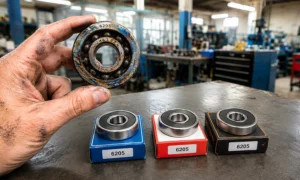
Every major technology trend gets discussed in the language of software. Artificial intelligence is described in terms of models and training runs, and electric vehicles’ range and charging speed are typical talking points. Underneath all of this sits a materials engineering story that rarely makes the headlines. Semiconductors and the specialty metals that support them make these technologies physically possible, and understanding that story matters to anyone responsible for the infrastructure on which these devices depend.
The Materials Story Behind the Technology
Every device that defines the current technological moment relies on a supply chain of physical materials, whether it’s a smartphone requiring conductive metals to carry signals through its circuitry or an electric vehicle needing magnets strong enough to drive a motor efficiently.
This matters directly for data center professionals. Server racks and cooling systems depend on materials engineering decisions made years before a facility opens. A recent federal assessment found that modern technologies now rely on dozens of specialty materials to function. A shortage or price spike in a single one can ripple through hardware procurement and construction timelines at once.
Semiconductors and the Metals That Make Chips Work
Silicon remains the base material for most computer chips, but the finished product depends on more than a single element. Conductive metals, such as copper and tungsten, form the microscopic pathways that enable transistors to communicate within a single processor.
Chipmakers are pushing chemistry hard. Advanced ceramics and specialty gases are used throughout fabrication to withstand extreme heat and corrosive processing environments. Interconnects alone can account for a large share of total chip power draw, especially as copper wiring shrinks below 10 nanometers.
Rare Earth Elements and the Magnets Inside Modern Devices
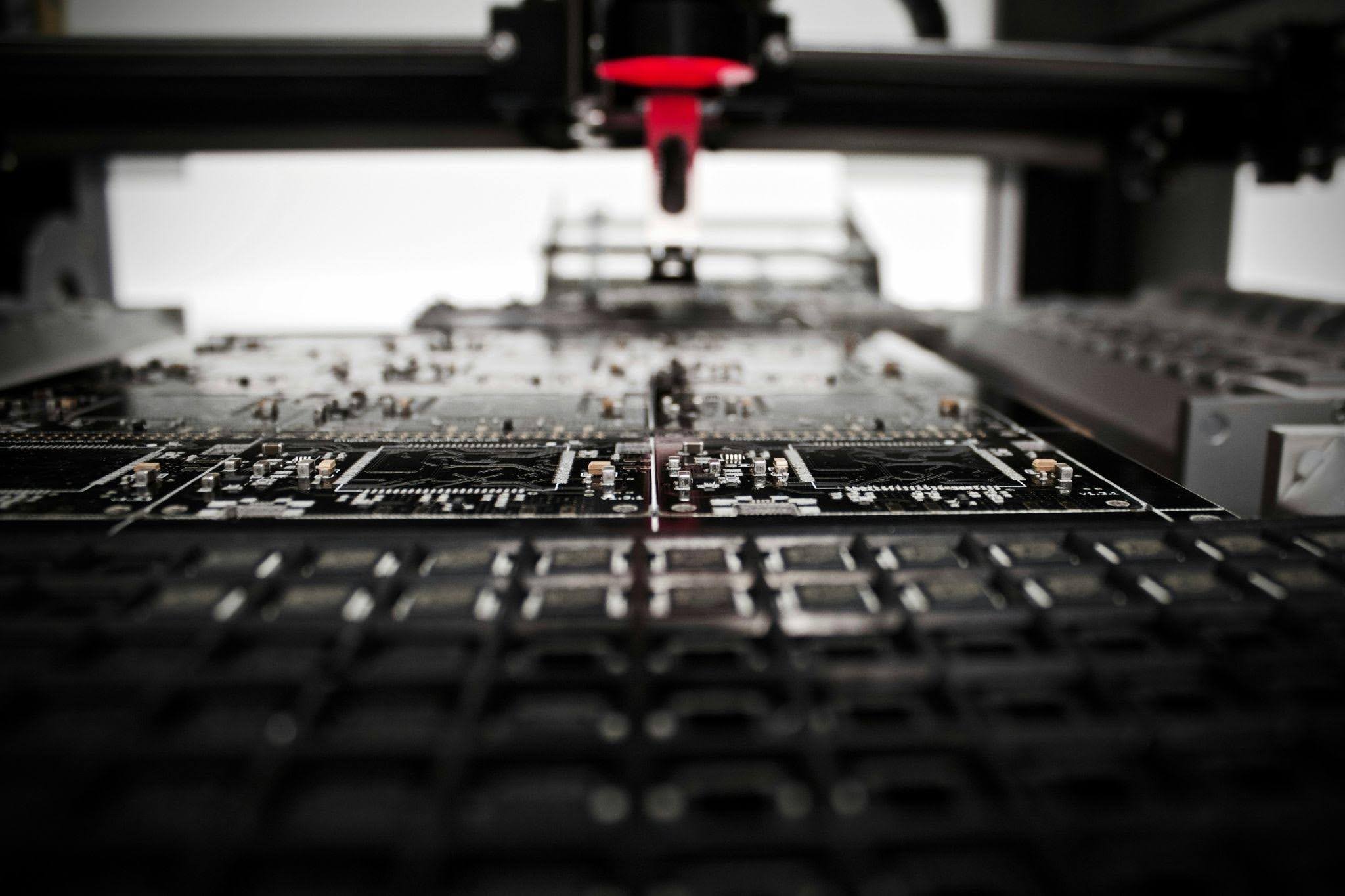
Photo by Louis Reed on Unsplash
Rare earth elements, such as neodymium and dysprosium, are used to build the powerful, compact magnets found in electric motors and hard drives. These magnets allow a device to generate a strong mechanical force from a small physical footprint, which matters enormously in products where size and weight are constrained.
Wearable devices face a related design pressure. Products like smartwatches or fitness trackers need a rare-earth magnet small enough to fit inside a slim case while still reliably driving haptic feedback and audio components. Engineers working on these products often optimize for magnet performance per cubic millimeter, a very different problem than the one facing someone designing a car motor.
The catch here is supply concentration. Rare earth production remains centered in a small number of regions worldwide, which introduces exposure for any company that depends on a steady supply of high-purity material. Researchers continue to study rare earth sources and end-use demand trends, work that directly matters to any data center team tracking single-source risk.
High Performance Alloys Built for Extreme Conditions
Alloys engineered for strength and heat resistance appear in many parts of modern hardware. Aerospace-grade aluminum and titanium alloys are used in structural components that need to remain light without sacrificing durability. In electric vehicles, similar principles apply to battery enclosures and structural frames, where reducing weight directly improves range.
Data center hardware faces its own version of this challenge. Server chassis and thermal management components need alloys that hold their shape under sustained heat and mechanical load, often for years of continuous operation. Getting the material specification wrong can shorten the working life of an entire facility’s hardware.
Aerospace engineers face an even more extreme version of the same weight constraint, where every gram added to a structure increases launch cost. Current research aims to replace certain alloys with lighter composites capable of handling comparable structural loads.
Thermal Materials and the Data Center Cooling Challenge
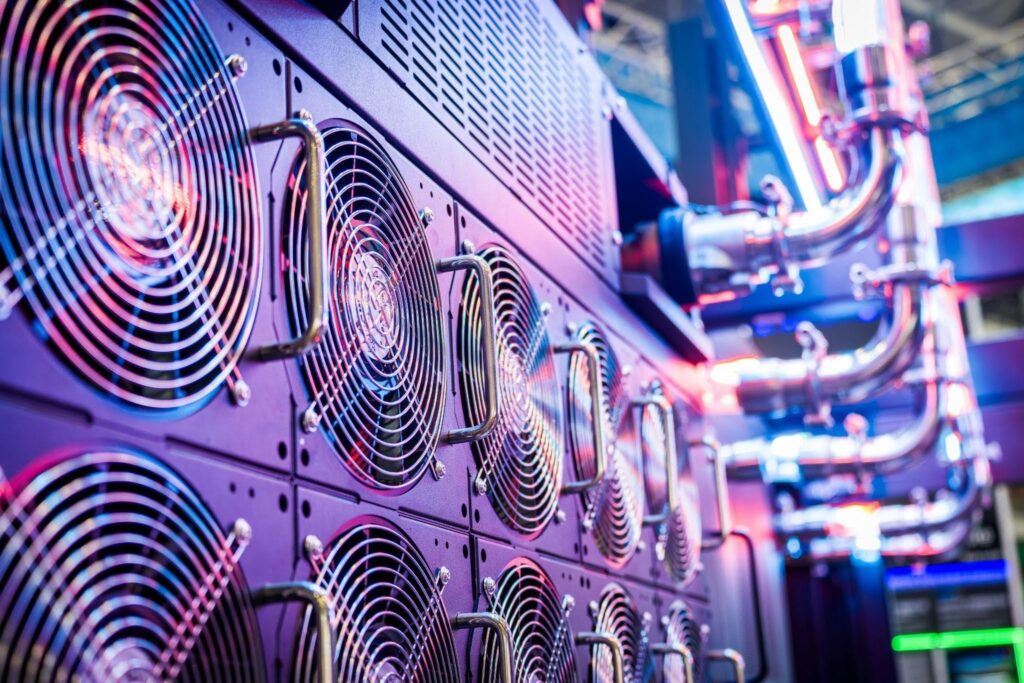
Heat is a significant constraint on modern data center design. Liquid cooling systems rely on copper alloys and engineered polymers to efficiently move heat away from processors without degrading over the long term. As computing density increases with AI workloads, the materials used in cooling infrastructure are becoming as strategically important as the chips they protect.
Some facilities are moving toward immersion cooling, where servers sit directly in a dielectric fluid engineered to conduct heat, but not electricity. The fluids and the hardware coatings that make this possible represent another layer of materials science operating quietly behind the scenes. Selecting the wrong material here can lead to corrosion or a cooling system that never performs as it was designed to.
From Raw Material to Functional Component
Materials need to be processed before they are factory-ready. Raw metal must be cut and shaped into the specific forms a product needs, a process broadly known as fabrication. Common methods include cutting metal sheets into precise sections and welding separate pieces into a single structure.
This is where raw material becomes a functional component. The enclosures that protect hard drives and the brackets that hold circuit boards in place start as flat metal stock that ranges in gauge from under a millimeter to 2 or more centimeters. Fabrication shops then turn this into finished parts ready for assembly. Without this step, even the most advanced chip or alloy has no way to become part of a working device.
The Environmental Cost Behind the Supply Chain
Extracting these materials carries a sizable environmental cost. Rare earth mining, in particular, requires processing large volumes of ore with chemicals that can pollute local water and soil if not managed carefully. This is part of why sourcing strategy has become a bigger conversation inside companies that once treated raw materials as an assumed input rather than a variable to manage.
Recycling offers a partial answer, though the industry captures only a fraction of what is possible today. Emerging extraction methods use microorganisms to recover valuable metals from electronic waste, extracting rare earth elements and precious metals from discarded devices rather than from mined ore. Wider adoption of these methods could ease some of the supply pressure that has made rare earth sourcing a strategic concern for hardware manufacturers.
Materials as the Foundation of the Technologies Ahead
Every major technology trend gaining investment right now, from AI hardware to electric vehicles, rests on materials engineering that happens well upstream of the finished product. Semiconductors and the specialty metals that support them form the physical foundation underneath every keynote announcement and product launch. For data center professionals and technology leaders, paying attention to that groundwork has become part of building infrastructure that actually holds up.