
How a USDT Visa Card Works for Everyday Payments

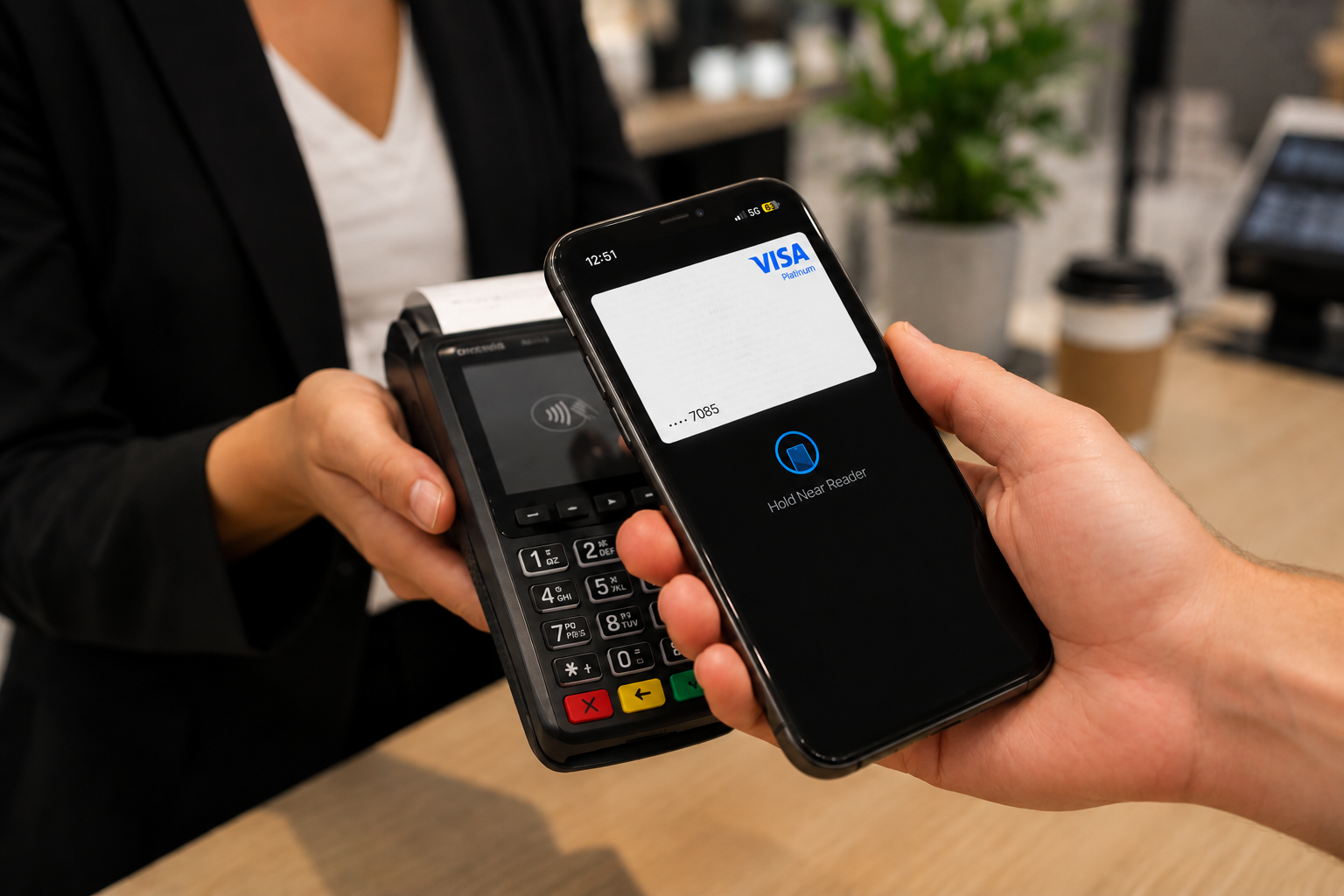
The growing adoption of digital assets has changed the way people think about money. While cryptocurrencies were once viewed primarily as investment assets, many users now want practical ways to use them for everyday purchases. A USDT Visa card offers one possible solution by helping bridge the gap between digital assets and traditional payment systems. Platforms such as Karta crypto card provide users with access to a crypto card and wallet, making it easier to use supported digital assets for eligible everyday payments.
Whether you’re shopping online, paying for travel, or managing day-to-day expenses, understanding how a USDT Visa card works can help you make informed decisions. This guide explains the basics, highlights the benefits and considerations, and outlines what to look for when choosing a crypto payment solution.
What Is a USDT Visa Card?
A USDT Visa card is a payment card that enables users to spend supported digital assets linked to their account through a Visa payment network where accepted. Instead of manually converting cryptocurrency before every purchase, the card simplifies the payment experience by connecting digital assets with traditional card payments.
USDT (Tether) is a widely used stablecoin that is designed to maintain a value close to the U.S. dollar. Because of its relatively stable price compared with many other cryptocurrencies, it has become a popular option for payments and transfers within the digital asset ecosystem.
Key Characteristics
A USDT Visa card may include features such as:
- Virtual or physical payment cards
- Digital wallet integration
- Secure account management
- Online and in-store payment support
- Transaction history and spending records
The exact features depend on the platform you choose.
How Does a USDT Visa Card Work?
Although providers may have different onboarding processes, the overall experience is generally straightforward.
Create an Account
The first step is registering with a platform that offers crypto payment services. Depending on applicable regulations, users may need to complete identity verification before accessing certain features.
Add Supported Digital Assets
After the account is ready, users fund their wallet with supported digital assets according to the platform’s instructions.
Access a Virtual or Physical Card
Many providers offer one or both of the following:
- Virtual Visa cards for online purchases
- Physical Visa cards for everyday in-store payments
This flexibility allows users to choose the option that best suits their spending habits.
Complete a Payment
When a purchase is made, the payment is processed through the supported card network according to the provider’s terms and available balance.
Why People Use USDT for Everyday Payments
Stablecoins have become increasingly popular because they aim to reduce the price volatility often associated with other cryptocurrencies.
Price Stability
USDT is designed to maintain a value close to one U.S. dollar, making it more predictable for everyday transactions.
Faster Digital Transactions
Many users appreciate the speed and convenience of transferring digital assets compared with some traditional payment methods.
Global Accessibility
Digital assets can often be managed across borders, although users should always comply with local laws and regulations.
Practical Spending
Instead of holding digital assets without using them, a payment card may provide a practical way to make eligible purchases.
Key Benefits of a USDT Visa Card
Using a USDT Visa card can offer several practical advantages.
Everyday Convenience
A payment card allows users to make purchases without manually exchanging digital assets before every transaction.
Online Shopping
Many online merchants accept Visa payments, making virtual cards a convenient choice for digital purchases.
Travel Payments
A USDT Visa card may be useful for travel-related expenses such as:
- Hotel bookings
- Flight reservations
- Transportation services
- Online travel purchases
Availability depends on merchant acceptance and the provider’s services.
Better Financial Flexibility
Users who already hold supported digital assets may appreciate having an additional payment option for eligible purchases.
USDT Visa Card vs. Traditional Bank Cards
Although both types of cards are used for payments, they operate differently.
| Feature | USDT Visa Card | Traditional Debit Card | Credit Card |
| Main Funding Source | Supported digital assets | Bank account | Credit line |
| Visa Payments | Yes, where supported | Yes | Yes |
| Digital Wallet Integration | Usually available | Limited | No |
| Cryptocurrency Support | Yes | No | No |
| Borrowed Funds | No | No | Yes |
| Suitable for Online Purchases | Yes | Yes | Yes |
Each option serves different financial needs, and the right choice depends on how you prefer to manage your money.
Where Can You Use a USDT Visa Card?
A USDT Visa card can be useful in many everyday situations where Visa payments are accepted.
Online Purchases
Examples include:
- Software subscriptions
- Digital services
- E-commerce websites
- Streaming platforms
Travel
Many travelers value the convenience of making eligible purchases using a payment card while managing digital assets separately.
Daily Spending
Depending on merchant acceptance, users may be able to pay for:
- Groceries
- Cafés
- Restaurants
- Fuel
- Retail shopping
Always check the provider’s supported regions and terms before relying on a card for regular spending.
How Karta Crypto Card Supports Digital Asset Payments
As digital payments continue to evolve, users often look for solutions that combine convenience with straightforward account management. The Karta crypto card is designed to give users access to a crypto card and wallet that supports spending digital assets through a payment card experience.
When evaluating any crypto payment platform, consider factors such as:
- Supported digital assets
- Available card options
- Security features
- User experience
- Applicable fees
- Regional availability
Before making a decision, review the latest information on the official Karta website to understand current features, supported services, eligibility requirements, and terms.
Tips for Choosing the Right USDT Visa Card
Selecting the right provider involves more than comparing marketing claims.
Review Supported Assets
Choose a platform that supports the digital assets you plan to use.
Understand the Fee Structure
Review any applicable fees before signing up so you know what to expect.
Prioritize Security
Look for features such as:
- Secure login
- Account monitoring
- Identity verification where required
- Strong account protection
Compare User Experience
A well-designed mobile app and dashboard can make managing your digital assets much easier.
Read the Terms Carefully
Understanding how the service works helps you avoid unexpected surprises later.
Common Questions About USDT Visa Cards
Is a USDT Visa card the same as a bank card?
No. A USDT Visa card is generally linked to supported digital assets rather than a traditional bank account.
Can beginners use one?
Yes. Many providers offer user-friendly interfaces designed for both new and experienced users.
Is identity verification required?
Requirements vary by provider and jurisdiction. Follow the platform’s official onboarding process and comply with applicable regulations.
Can I use it for everyday purchases?
Many providers are designed to support everyday spending where Visa payments are accepted, subject to the provider’s terms and local availability.
Are USDT Visa cards secure?
Security depends on the provider and on how users protect their own accounts. Using strong passwords, enabling available security features, and monitoring account activity are good practices.
Final Thoughts
A USDT Visa card can make it easier to connect digital assets with everyday spending by providing a familiar payment experience. For people who already use stablecoins, it offers a practical way to manage eligible purchases without adding unnecessary complexity.
Solutions such as the Karta crypto card demonstrate how crypto payment platforms continue to evolve to meet the needs of modern users. Rather than focusing solely on investment, these services aim to make digital assets more practical for day-to-day use.
Before choosing any crypto payment solution, compare features, understand applicable fees, verify regional availability, and review the provider’s official documentation. Taking the time to evaluate your options carefully will help you select a solution that aligns with your financial goals and your local regulatory requirements.







Comment