The right remodel starts with one question: what problem should your home solve better? A good plan can add storage, improve movement, brighten dark rooms, and make daily routines easier without turning the entire house into a construction zone.
Start With the Most Useful Changes
The best home renovation ideas begin with rooms you use every day. A kitchen with poor flow, a crowded entry, or a dark hallway can affect how the whole home feels. Before choosing finishes, list the daily issues that slow you down.
Focus first on changes that improve function:
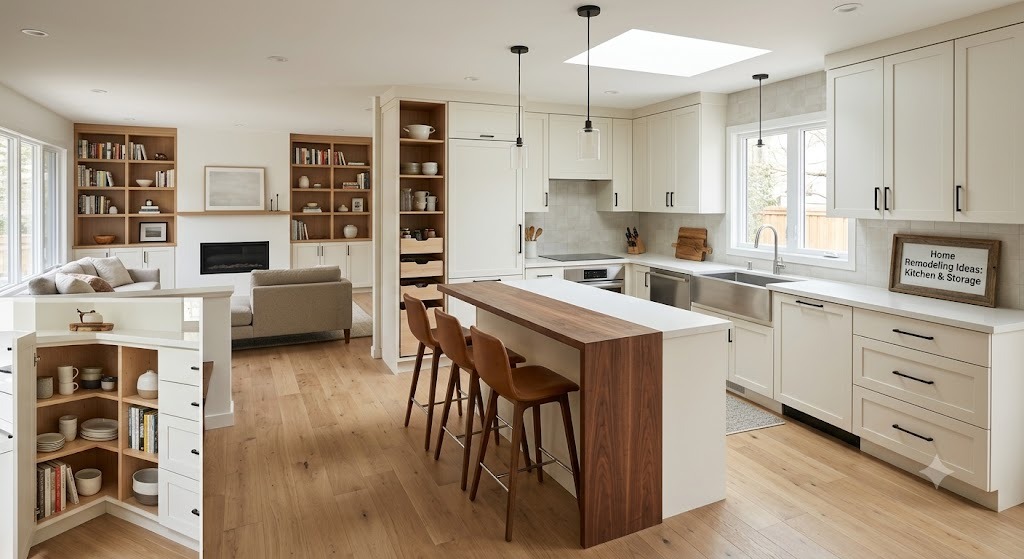
- Add open shelving where closed storage feels too heavy.
- Use built-ins to define the living area without adding clutter.
- Create storage solutions under stairs, around fireplaces, or beside doors.
- Add an accent wall only where it supports the room’s design.
- Replace old light fixtures to brighten work zones and walkways.
This approach keeps your choices practical. If the plan feels hard to rank, David Haziza can be a natural reference point for thinking through layout, scope, and project order before spending money on finishes.
Upgrade Kitchens, Baths, and Storage
Kitchens and bathrooms often give the strongest return because they affect comfort and routine. In the kitchen, think beyond new counters. A better island, a coffee station, a corner pantry, or tall cabinets can make cooking and hosting easier.
In bathrooms, walk-in showers, better lighting, recessed niches, and simple tile choices can create a cleaner layout. Use light colored finishes when the room is small or lacks natural light. They can help the space feel larger without moving walls.
For storage, look at unused areas first. Corners can hold benches. Hallways can support slim built-ins. Laundry rooms can include shelves, hooks, and cabinet doors that match the rest of the home. These updates are cost-effective because they improve daily use without requiring a full rebuild.
Make Small Homes Work Better
Small homes need clear zones, smart furniture, and less visual clutter. This is where remodeling a manufactured home can help because many of the same principles apply: improve flow, reduce wasted space, and choose upgrades that do more than one job.
For a manufactured home, avoid oversized fixtures and heavy partitions. Use compact storage, lighter finishes, and flexible furniture. A small dining corner can become a work zone. A hallway nook can become a drop zone. Shared living spaces can serve work, rest, and storage when each area has a clear purpose.
For simple diy projects, choose updates you can finish safely:
- Paint trim, doors, or one room.
- Add floating shelves or hooks.
- Replace cabinet hardware.
- Install peel-and-stick backsplash in low-moisture areas.
- Refresh caulk around sinks or tubs.
Don’t forget to check whether plumbing, electrical, or structural work needs a licensed pro.
Compare Ideas Before Spending
Use a simple comparison before choosing remodeling ideas. This helps you avoid spending on upgrades that look good but do not fix the real issue.
| Project type | Best use |
| Cosmetic updates | Best for paint, hardware, lighting, and simple surface changes |
| Layout changes | Best when traffic flow, storage, or room function is the main problem |
| Built-in storage | Best for small rooms, entries, kitchens, and laundry areas |
| Energy upgrades | Best when you want comfort, lower waste, and long-term savings |
A home renovation should balance style with daily value. If the goal is to improve energy efficiency, start with insulation, windows, doors, appliances, and lighting before spending on purely decorative details.
Choose a Plan You Can Finish
The best remodeling projects have a clear purpose, a clear budget, and a clear order. Start with one high-use room, then decide what must change, what can stay, and what can wait.
If your living room feels dated, do not begin with every surface at once. Try paint, better lighting, cleaner furniture placement, or one built-in feature first. If the kitchen lacks storage, solve that before choosing decorative tile. If the bathroom feels cramped, improve lighting, glass, storage, and fixture placement before expanding the footprint.
A budget-friendly remodel does not mean choosing the cheapest option. It means spending on upgrades that improve comfort, function, and long-term use. Good planning helps you avoid repeat work, mismatched choices, and projects that look finished but still fail to solve the problem.