
Herculis Gold Coin: What Investors Should Know About This Gold-Backed Digital Asset

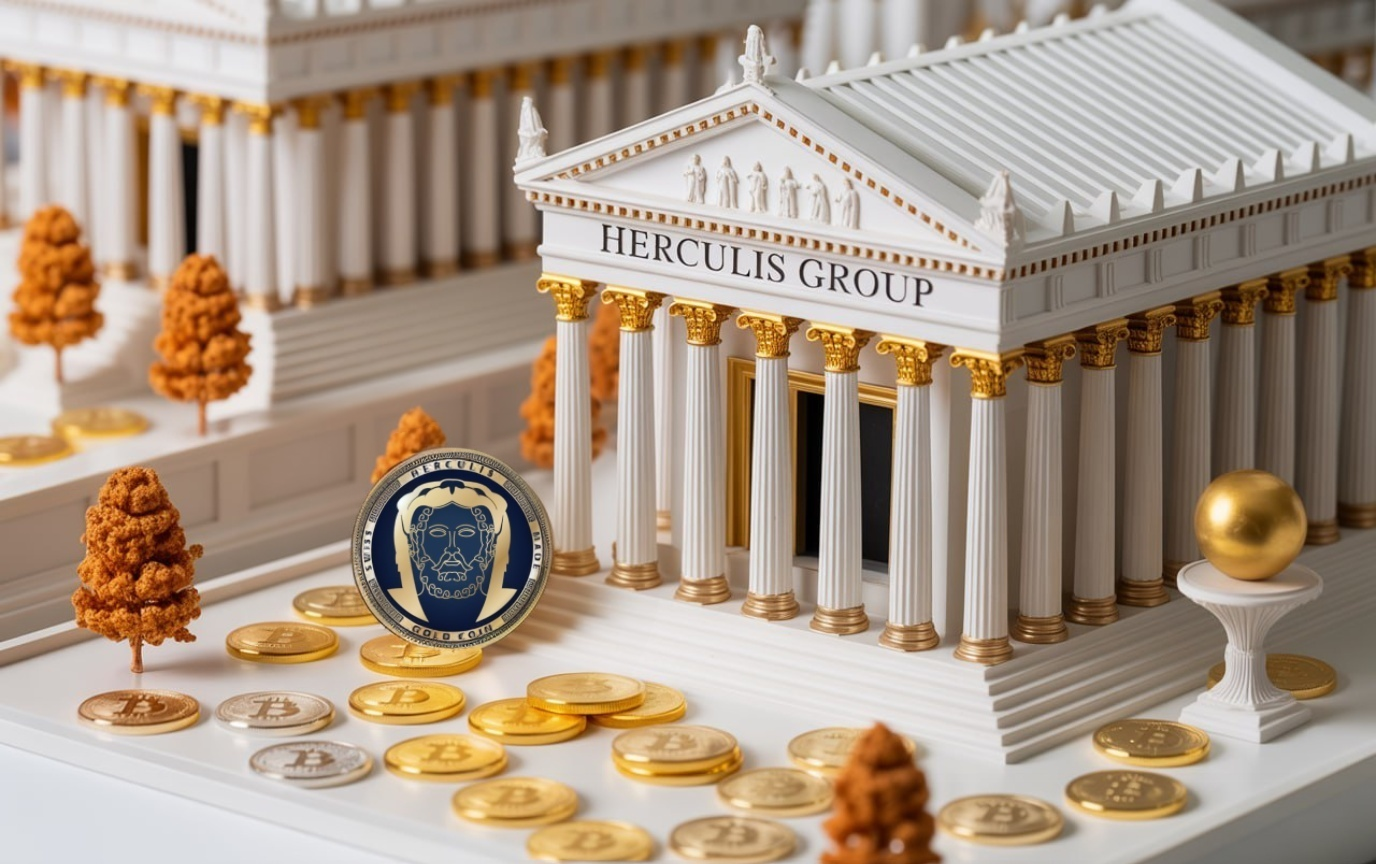
| Herculis Gold Coin (XAUH) — Profile Record | |
| Record Type | Gold-Backed Payment Token / Real-World Asset (RWA) |
| Token Name | Herculis Gold Coin |
| Ticker | XAUH |
| Issuing Entity | Herculis Tokens SA |
| Issuer Jurisdiction | Republic of Panama (registered address: 5th Floor, Block Office Hub, Santa Maria Business District, Panama City) |
| Parent Group | Herculis Group — Swiss investment boutique founded in 2009; offices across Switzerland and Liechtenstein |
| Herculis Group — Entities (6) | Herculis Partners SA · Herculis Fiduciaires AG · Herculis Guardians SA · Herculis Advisors AG · Herculis Trading SPC · Herculis Tokens SA |
| Herculis Tokens SA Website | https://herculis.ch/herculis-tokens-sa · Whitepaper: https://xauh.gold/whitepaper.pdf |
| Herculis Group Website | https://herculis.ch |
| Backing Ratio | 1 XAUH = 1 gram of 999.9 fine gold |
| Refinery | PX Precinox SA, Neuchâtel, Switzerland |
| Storage Location | Secure, insured vaults in Switzerland |
| Custodians | Herculis House, Brink’s, Loomis (reserves split across three custodians to avoid concentration) |
| Circulation | USD Market Cap: $1,526,071.68 · XAUH tokens: 15,500 · Gold grams: 15,500 · Gold Bullion Certificates: 15,500 |
| Blockchain / Network | XAUH contracts currently identified on Ethereum, TRON and TON |
| Regulatory Compliance | The issuer states that Herculis Tokens SA operates in accordance with Panama AML/CFT legislation and the guidelines of the Financial Analysis Unit (UAF — Unidad de Análisis Financiero) of the Republic of Panama; this reflects the issuer’s stated legal position rather than an independent regulatory determination |
| KYC Requirement | Required for Primary Market issuance, tokenization of own bullion, and redemption (“KYC-Verified Customers”) |
| Tokenization Fee | 0.3% (for KYC-verified customers converting own LBMA bullion into XAUH) |
| Transfer Fee | 0.02% |
| Minimum Purchase | 0.01 gram (approximately $1.20) |
| Redemption Minimum | 500 XAUH (500 grams of fine gold), in multiples thereof |
| Redemption Fees | 1% for redemptions of 1kg or more; 3% for redemptions of 500g; transport costs to investor’s location not included |
| Token Supply Model | Unlimited/uncapped supply, minted only as new gold bullion is added to vaults (1:1 peg maintained) |
| Trading Venues | BTSE (CEX) · Biconomy.com (CEX) · STON.fi (TON DEX) · Uniswap V2 (Ethereum DEX) |
| Insolvency Continuity Provisions | Continued custodian safeguarding; ongoing audit/verification; redemption continuity where legally feasible; provision for court-approved successor entity/trustee to administer redemptions or wind-down |
| Roadmap | Positioned as first in a planned series of tokenized real-world assets; silver and fine art tokenization cited as next planned launches |
| Reference Price Point | ~$155 per gram cited; small retail bars said to carry premiums of 15% or more |
| Divisibility | Divisible into increments as small as 0.01 gram of fine LBMA 999.9 gold |
| Trading Availability | 24/7, 365 days a year, on listed global DEX and CEX exchanges |
| Payment / Use Applications | Direct transactions · P2P transfers · digital wallet integration · trading on exchanges · collateral for loans · stable asset positioning in volatile markets |
XAUH coin represents a new category of digital asset: a payment token fully collateralized by physical Swiss gold. Unlike speculative cryptocurrencies, this XAUH token ties its value directly to LBMA-certified bullion held in Swiss vaults, positioning it within the growing tokenized real-world asset market alongside other gold-backed cryptocurrency products. As a form of digital gold, XAUH gold merges bullion’s stability with blockchain settlement speed, giving holders a liquid, verifiable claim on physical gold reserves.
Table of Contents
- XAUH Digital Gold: How the Asset is Classified
- XAUH: Origins And Development of the Herculis Group
- XAUH Coin: The Technology Behind the Network
- XAUH RWA: The Role of the Native Token
- XAUH Herculis: Use Cases and Applications
- XAUH Gold: How It Compares to Alternatives
- Herculis Gold Coin: Key Advantages
- XAUH: Limitations and Risks to Consider
- XAUH Token: How to Buy, Use, and Store It
- Frequently Asked Questions
- Conclusion
Key Theses: What Makes the XAUH Digital Gold Token Distinct
XAUH combines near-instant blockchain settlement with the price stability of physical bullion, but that combination brings trade-offs worth weighing upfront.
- Speed and stability: Transfers on the JAMTON protocol carry a 0.02% fee, and the XAUH token’s price tracks the gold spot rate rather than fluctuating with crypto market sentiment
- Technology: XAUH Herculis was initially built on JAMTON.NETWORK, a Layer 2 protocol built on TON and Polkadot; contracts are currently identified on Ethereum, TRON and TON as well
- Use case: This gold-backed cryptocurrency supports payments, DeFi collateralization, and long-term store-of-value holding
- Risk: Redemption fees, a regulatory framework currently anchored to Panama, and an unlimited XAUH RWA supply model tied to reserve growth all warrant scrutiny
XAUH Digital Gold: How the Asset is Classified
XAUH resists easy categorization within standard crypto taxonomies. It is not a speculative cryptocurrency, nor a stablecoin pegged to fiat currency reserves. Instead, this XAUH RWA functions as a gold-backed payment token — a tokenized real-world asset (RWA) representing direct beneficial ownership of physical bullion rather than an algorithmic or fiat-collateralized peg.
The issuer, Herculis Tokens SA, is incorporated in the Republic of Panama and operates as the customer-facing entity for issuance and redemption. The backing mechanism is straightforward: one gram of 999.9 LBMA-certified fine gold equals one XAUH token, creating a fixed, auditable conversion ratio between the digital asset and its underlying physical reserve.
XAUH: Origins And Development of the Herculis Group
The Herculis Group traces its roots to 2009, when two partners established it as an investment boutique catering to high-net-worth individuals, family offices, charitable foundations, and endowments. That HNWI-focused, alternative-asset pedigree later became the foundation for the group’s move into blockchain-based tokenization.
Herculis Tokens SA expanded into RWA tokenization, structuring products spanning LBMA gold bullion, financial instruments, and fine art as tokenized real-world assets. Within that push, the XAUH Herculis project emerged as the group’s flagship gold-backed token, which falls into the category of RWA (real world assets). As a digital gold offering, XAUH gold combined asset-management experience with distributed ledger infrastructure, evolving into what is now marketed as a gold-backed token built for payments rather than speculation.
The current whitepaper, XAUH digital gold Version 3.0, reflects the project’s most recent structural milestones: initial JAMTON/Polkadot integration, subsequent multi-chain contracts on Ethereum, TRON and TON, and bankruptcy-remoteness provisions safeguarding the XAUH RWA reserve model.
XAUH Coin: The Technology Behind the Network
XAUH coin transactions were initially run on JAMTON.NETWORK, a Layer 2 protocol built for both TON and Polkadot. XAUH’s footprint has since broadened: contracts for this gold-backed cryptocurrency are now also identified on Ethereum and TRON, giving it a presence across multiple networks rather than relying on a single base layer. That multi-chain reach gives holders access to a wider set of wallets, exchanges and liquidity than a single-network gold-backed cryptocurrency product would offer.
On top of this network layer, the smart contracts governing XAUH gold are independently audited by third-party firms to verify their integrity and resistance to vulnerabilities.
Customer and reserve assets tied to each Herculis gold coin are held in multi-signature wallets, requiring approval from multiple authorized parties before execution — a structure that eliminates single-point-of-access risk. Together, these layers position XAUH RWA infrastructure as a security model built more like institutional custody than a typical token launch, reinforcing why XAUH Herculis emphasizes verification and multi-signature control over reliance on any single chain.
XAUH RWA: The Role of the Native Token
Every XAUH RWA unit is minted against a fixed conversion ratio: one gram of 999.9 Swiss LBMA gold equals one XAUH, with a 0.3% tokenization fee applied at minting. As an asset-backed token, its value is never abstracted from the underlying metal — this gold-backed token moves at a transfer fee of just 0.02% on the JAMTON protocol, a fraction of the premiums, taxes, and dealer commissions typical of traditional gold trading, and a meaningful edge for any gold-backed cryptocurrency competing on cost.
Redemption works on a tiered structure. Holders of this XAUH gold product can redeem physical bullion starting at a 500-token minimum (500 grams), with a 1% fee applied at redemptions of 1kg or more and a 3% fee at the 500-gram minimum tier; neither fee covers shipping or transport costs. Unlike many blockchain-native assets, this gold-backed token is not a governance or staking instrument. Its function is narrower: collateralized settlement and value transfer directly tied to the reserve backing each unit of XAUH digital gold, distinguishing it from RWA (real world assets) products that merely reference an external price feed rather than holding direct redemption rights.
XAUH Herculis: Use Cases and Applications
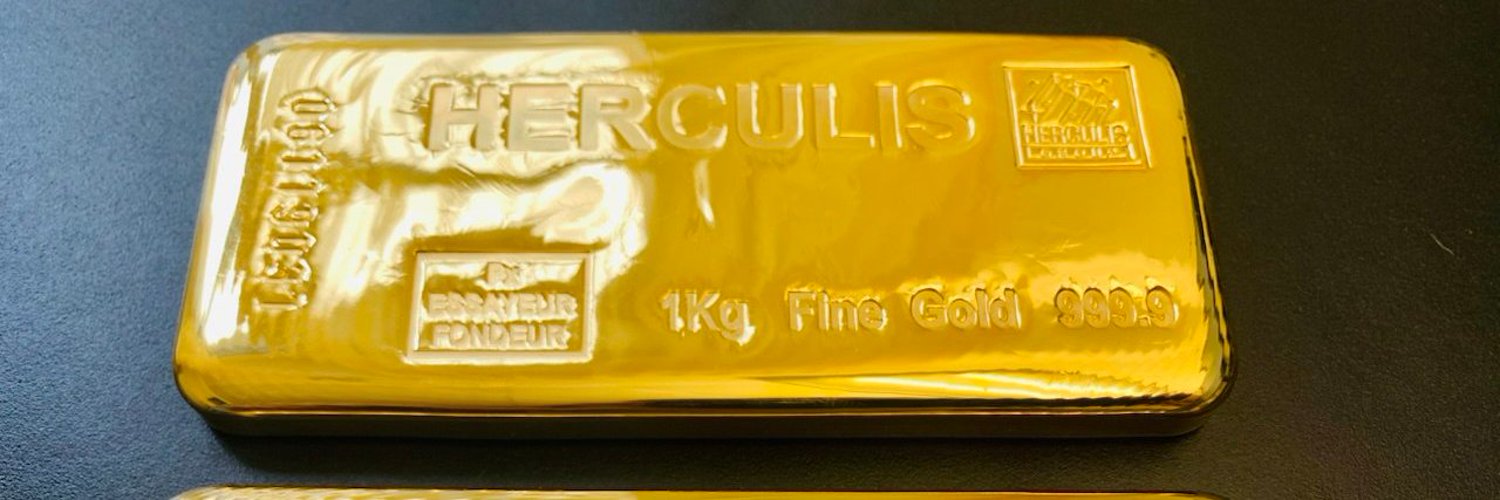
XAUH Herculis is designed less as a speculative trading instrument and more as functional infrastructure, with applications spanning payments, decentralized finance, and long-term wealth preservation:
- Payments: As a payment token, XAUH gold settles at prices tracking the gold spot rate, with minimal transfer friction compared to moving physical bullion
- DeFi collateral: This gold-backed cryptocurrency can serve as collateral within smart-contract-based lending and borrowing pools through planned cooperation with Morpho, extending gold’s utility into decentralized finance
- Store of value: As a form of digital gold, XAUH RWA functions as a hedge against inflation and currency instability, echoing gold’s historical role during episodes like the 2008 financial crisis and periods of regional banking stress
- Cross-border settlement: The XAUH gold enables 24/7 blockchain-based transfer of gold-linked value without the physical logistics traditional bullion shipment requires
- Institutional and retail exposure: This tokenized gold product is structured to serve both HNWI and institutional allocators alongside retail investors seeking fractional exposure to XAUH digital gold
XAUH Gold: How It Compares to Alternatives
Evaluating XAUH gold against competing products requires looking at five criteria: custody structure, redemption mechanics, fee structure, blockchain infrastructure, and regulatory domicile.
- Custodian jurisdiction: Some competing gold-backed tokens use a US-regulated trust structure, while XAUH coin is custodied under Panama and Switzerland jurisdiction, with differences in underlying chain infrastructure as well
- Vs. other Ethereum-based gold tokens: XAUH digital gold and comparable products are both redeemable for physical bullion above a minimum threshold, but as RWA (real world assets) products, they diverge sharply in issuer transparency mechanisms and verification cadence
- Vs. physical gold ETFs: As a tokenized gold instrument, the gold-backed token from Herculis offers 24/7 blockchain liquidity and DeFi integration that traditional ETF structures cannot match, though at the cost of a newer, less-tested regulatory track record for this category of asset-backed token
As one industry observer put it, “Tokenized gold products are increasingly being judged not on novelty, but on whether their custody and audit infrastructure can survive a stress event — the same test that has always applied to physical bullion dealers.” That framing captures the core trade-off facing any RWA (real world assets) offering entering a market still dominated by established players.
Herculis Gold Coin: Key Advantages
This RWA (real world assets) item is built on institutional-grade custody: reserves sit with accredited custodians including Herculis House, Brink’s, and Loomis, and the underlying bullion is fully insured. As an asset-backed token, XAUH gold has undergone independent agreed-upon-procedures verification conducted by KPMG SA, a Swiss audit firm, with results made publicly verifiable through Chainlink’s decentralized oracle network.
Bankruptcy-remoteness structuring adds a further layer of protection: gold backing this XAUH RWA-class instrument is segregated from Herculis Tokens SA’s corporate estate, meaning it would not be swept into creditor claims in an insolvency event. On the cost side, this gold-backed cryptocurrency carries on-chain transfer fees far below those of physical gold trading, making XAUH digital gold a comparatively efficient way to move gold-linked value.
XAUH: Limitations and Risks to Consider
XAUH operates under a regulatory framework currently anchored to Panama’s AML and CFT legislation and the guidelines of the country’s Financial Analysis Unit (UAF), with broader jurisdictional compliance still in development — a gap worth weighing for investors outside that regime. As a gold-backed token, XAUH gold also carries practical liquidity constraints: redemption fees and a 500-gram minimum threshold limit accessibility for smaller holders compared to instantly tradable secondary-market positions.
The token’s supply model adds another consideration. Unlike a fixed-issuance digital gold product, this gold-backed cryptocurrency has an unlimited supply tied directly to reserve growth, meaning scarcity is a function of custodial expansion rather than a hard cap. There’s also counterparty exposure: holders of this asset-backed token rely on third-party custodians and auditors to maintain accurate reserve reporting. Finally, JAMTON, the Layer 2 infrastructure underpinning this tokenized gold product, remains comparatively young next to blockchain networks with longer operating histories.
XAUH Token: How to Buy, Use, and Store It
Acquiring XAUH token directly from the issuer requires completing Know-Your-Customer verification through Herculis Tokens SA, which handles primary market issuance and redemption for this gold-backed token. Investors who prefer not to go through KYC onboarding can instead access this digital gold asset on the secondary market, where it trades on decentralized (DEX) and centralized (CEX) exchange listings.
Purchases can be made through listed exchanges including BTSE, Biconomy.com, STON.fi and Uniswap V2, broadening access for investors across both centralized and decentralized markets. Because this XAUH gold asset runs on TON, Ethereum and TRON infrastructure, storage requires a compatible wallet supporting those networks. Holders can independently verify the reserves backing their tokenized gold holdings through the XAUH.gold platform, which publishes audit data tied to each unit of gold-backed cryptocurrency in circulation.
Frequently Asked Questions
1) What is this XAUH gold asset?
XAUH is a payment token representing direct ownership of physical Swiss gold, issued by Herculis Tokens SA under Panama regulation.
2) How is XAUH digital gold backed?
Each unit of this tokenized gold asset corresponds to one gram of 999.9 LBMA-certified fine gold held in insured Swiss vaults.
3) What are the fees for this asset-backed token?
Transfer fees run at 0.02%, tokenization at 0.3%, and redemption fees range from 1% to 3% depending on volume for this gold-backed token.
4) What blockchain does XAUH run on?
It was initially built on JAMTON.NETWORK, a Layer 2 protocol for TON and Polkadot. Contracts are now also identified on Ethereum and TRON, making this digital gold product a multi-chain asset.
5) How is security ensured for this tokenized gold system?
Multi-signature wallets and third-party smart contract audits protect this XAUH gold infrastructure.
6) How does this RWA (real world assets) product differ from other digital gold offerings?
Unlike many competitors, this asset-backed token ties redemption rights directly to segregated, bankruptcy-remote reserves.
7) Can XAUH be redeemed for physical gold?
Yes — this XAUH digital gold instrument can be redeemed starting at a 500-gram minimum, subject to applicable redemption fees.
8) Is this RWA (real world assets) product suitable for institutional investors?
As a tokenized gold offering structured around institutional custody standards, this RWA (real world assets) product from Herculis targets both institutional and retail allocators.
Conclusion
XAUH suits investors seeking gold exposure with blockchain-native liquidity rather than physical storage logistics. This digital gold asset’s core benefit lies in its combination of independently verified custody and low on-chain fee structure, distinguishing this asset-backed token from less-verifiable alternatives. Its main risk remains regulatory and infrastructure maturity — a young Layer 2 network and a compliance framework still expanding beyond Panama. For those comfortable with that trade-off, this XAUH gold product offers a genuinely differentiated route into gold-backed digital ownership.






Comment